
Custom Jewelry vs. Alternatives: The 2026 Sourcing Guide for DTC Brands
Custom Jewelry vs. Alternatives: The 2026 Sourcing Guide for DTC Brands
TL;DR / Quick Verdict
Custom OEM jewelry wins for DTC brands and importers who need exclusive designs, private labeling, and product differentiation that compounds over time. Pre-made wholesale stock and retail-tier alternatives are faster to deploy but lock you into generic catalogs any competitor can order from the same source. If your business model depends on product uniqueness — and most DTC brands' margins do — custom is not a luxury add-on; it's a structural requirement.
At-a-Glance Comparison Table
| Dimension | Custom OEM Jewelry (e.g., STRAND) | Retail / Catalog Alternatives (Kay, Jared, Kendra Scott) |
|---|---|---|
| Minimum Order | 12 pcs/style (109 of 114 styles); 1 pc on select styles | Retail pricing for small qty; wholesale programs vary |
| Design Exclusivity | Full custom or OEM adaptation | None — identical SKUs available to all buyers |
| Private Label / Branding | Yes | Rarely |
| Lead Time | Production-dependent — request current timeline | 1–4 weeks for stock orders |
| Materials | Gold-plated / rhodium-plated copper, 925-style silver, glass beads, natural stone, faux pearls | Varies by supplier; often silver or gold-filled |
| Stone Options | Amethyst, garnet, peridot, turquoise, rhinestone, crystal | Limited by existing catalog |
| Price Tier | Factory-direct | Wholesale markup applied |
| Quality Control | In-house QC before every shipment | Depends on supplier |
| Payment Terms | T/T, Western Union, PayPal, L/C, Xtransfer | Typically credit card or wire |
| Languages Supported | EN, FR, AR, ES, DE, RU | Typically English only |
| Scalability | High — production scales with demand | Constrained by catalog depth |
| Trade Terms | EXW or FOB | Usually retail shipping terms |
Custom Jewelry Overview
Custom OEM jewelry — pieces designed or adapted to a buyer's specification and manufactured to order — serves a fundamentally different commercial function than buying finished goods off a catalog. For DTC brands entering the US, EU, UK, or MENA markets, the product IS the brand. A drop earring in a vintage gradient crystal finish or a two-tone glass bead necklace-earring set that no competitor can replicate becomes a defensible SKU.
STRAND operates from Hangzhou, China, connecting overseas buyers directly to vetted Chinese workshops. Their catalog covers 114 styles — drop earrings, stud earrings, necklace-and-earring sets in vintage, rhinestone, gradient crystal, and two-tone glass bead aesthetics, finished in gold-plated or rhodium-plated copper. MOQ sits at 12 pieces per style on 109 of those 114 catalog designs, with select styles available from a single piece. That threshold matters: it lets a DTC brand or importer test a new style with real inventory before committing to a full production run.
Custom OEM work goes further. Buyers can specify finishes (gold-plated, rhodium-plated, 925-style silver), stone selections including amethyst, garnet, peridot, and turquoise, and shape parameters. The multilingual sales team — handling English, French, Arabic, Spanish, German, and Russian — makes STRAND a practical option for procurement teams that don't operate in English-first environments.
For a full breakdown of how to rank OEM suppliers against retail benchmarks, this sourcing guide from STRAND covers the evaluation landscape in detail.
Alternatives Overview
"Alternatives" here means the other routes a buyer can take: purchasing finished stock from retail-facing jewelry brands, working with generalist wholesale marketplaces, or ordering from catalog-only suppliers with no custom capability.
The major retail-chain players — Kay Jewelers, Jared, and Kendra Scott — are primarily consumer-facing. Kay Jewelers does offer in-store custom design options and an online engagement ring configurator, including lab-grown diamond selections and center stones in nine shapes: round, oval, pear, emerald, marquise, cushion, radiant, princess, and heart. Their luxury positioning and Neil Lane wedding ring sets are credible for the consumer gift and bridal segment. Their physical stores support in-person appointments for buyers who prefer to see product before committing. But for a B2B buyer sourcing 50–500 units of a fashion earring for a DTC brand, the retail chain infrastructure simply isn't aimed at you.
Kendra Scott and comparable brands occupy a different niche: fashion-forward, semi-precious stone focus — amethyst, turquoise, natural stone settings — with retail-priced wholesale tiers. The product quality is real. The problem is margin compression: buying finished goods at wholesale and competing on retail with every other stockist carrying the same SKUs is a race to the bottom.
Generalist B2B marketplaces form a third category. Scale and SKU diversity exist there, but inconsistent quality control, communication gaps, and minimum order structures rarely match the flexibility of a specialist OEM partner.
Feature-by-Feature Breakdown
Pricing and MOQ
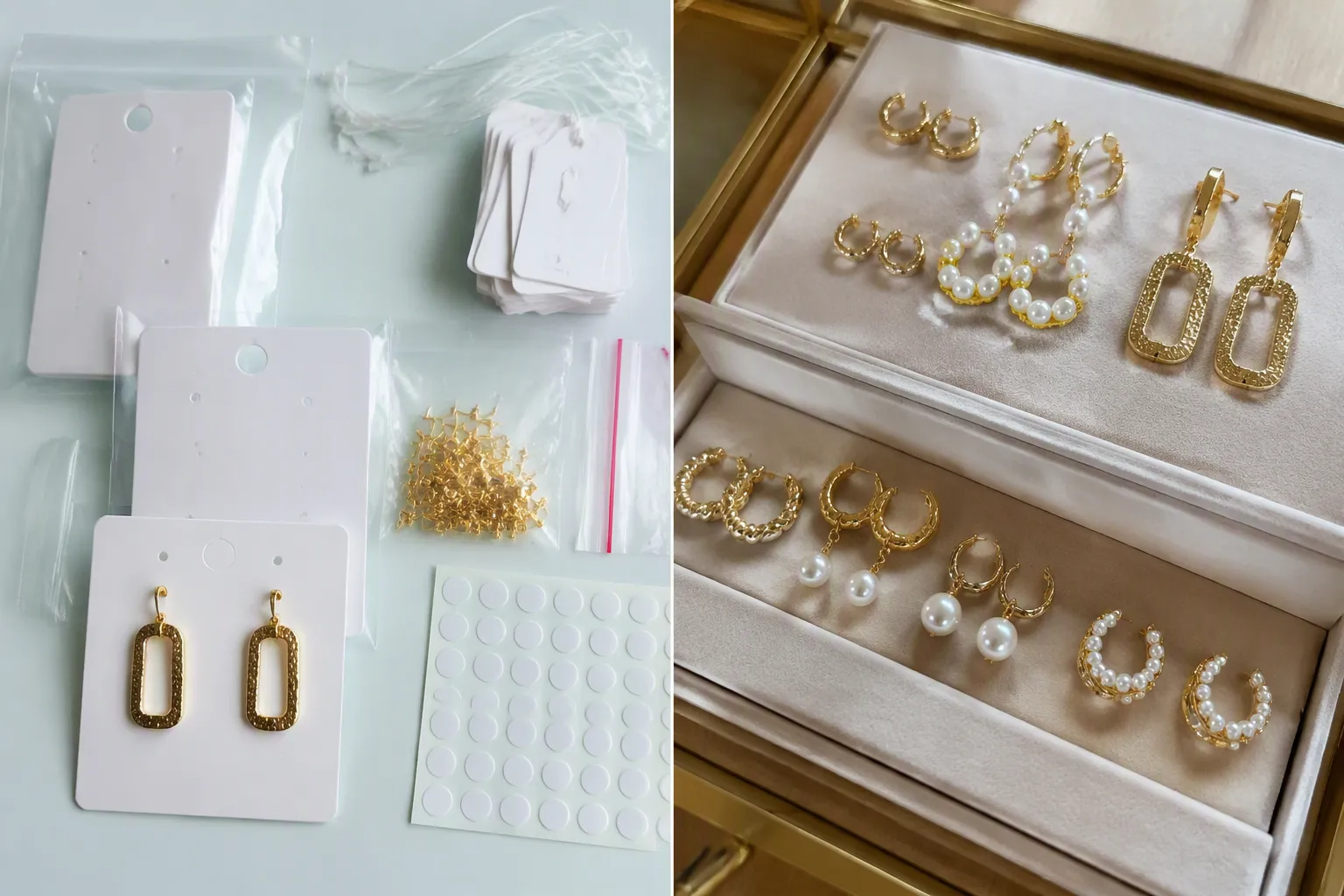
Custom OEM pricing is factory-direct — no retail or wholesale markup applied. STRAND's MOQ of 12 pieces per style on most catalog designs is low enough to test a new colorway or material combination without a large capital commitment. A DTC brand launching a rhinestone stud alongside a gradient crystal drop earring can seed both styles simultaneously without betting the full inventory budget on an untested design.
Retail alternatives do run promotional pricing events — Kay Jewelers has offered discounts during promotional periods — but these are consumer promotions, not trade pricing. For B2B buyers, the metric that matters is landed unit cost at your warehouse, and retail-channel pricing rarely competes with factory-direct on that measure.
Design Exclusivity and Customization Depth
This is where the gap is largest. Custom OEM lets you own the mold, the colorway, and the finish specification. A DTC brand can bring a two-tone glass bead necklace-earring set to market knowing no competitor can source an identical product from the same catalog. That's a moat.
Retail and catalog alternatives offer zero exclusivity. If you stock a turquoise drop earring from a wholesale portal, any other buyer can place the same order. For brands building a visual identity around product design, that's a structural vulnerability — not just a preference.
Kay does offer a custom Neil Lane Wedding Ring Set and a personalized engagement ring tool, but this is a consumer experience built around diamond jewelry selection — not a trade manufacturing relationship for fashion categories.
Quality Assurance
STRAND conducts in-house QC inspection before every shipment. For buyers importing into markets like the US, EU, or UK — where product quality expectations and compliance considerations are real — pre-shipment inspection reduces the risk of plating inconsistencies or stone setting failures reaching your customer.
With catalog and retail wholesale alternatives, quality sits at the supplier's stated standard. Buyers have limited visibility into production before goods ship. Third-party inspection is possible but adds time and cost that an OEM partner's built-in QC sidesteps.
Shipping and Trade Terms
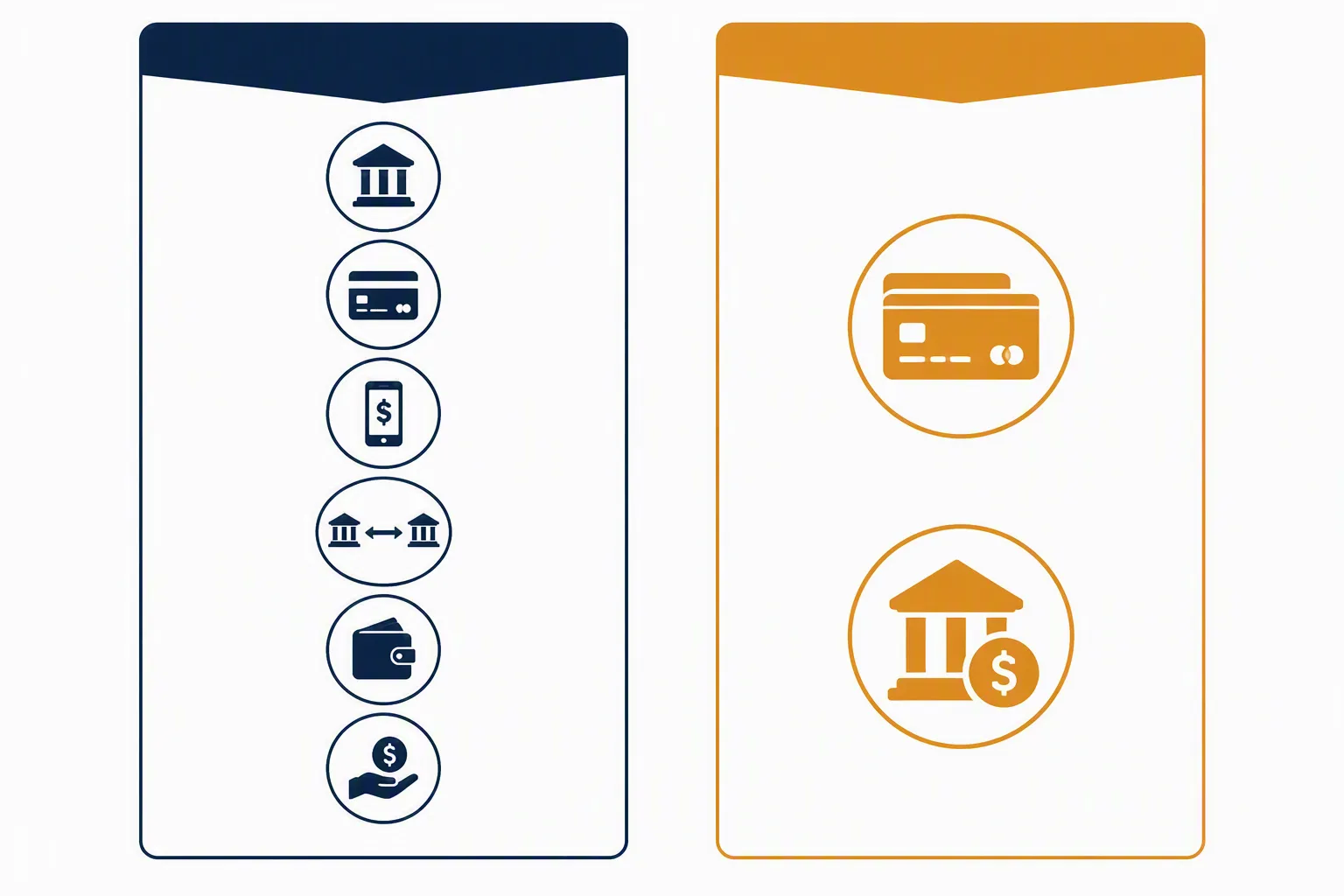
STRAND offers EXW or FOB shipping with options for air, sea, or express courier. Payment flexibility spans T/T bank transfer, Western Union, PayPal, letter of credit, and Xtransfer. That range matters for procurement teams in MENA or EU markets who may face constraints on USD wire access.
Retail and catalog wholesale channels typically run on simpler terms — credit card or wire, single shipping method. Less friction for small orders, but less negotiating room on logistics for larger consignments.
Scalability
A custom OEM relationship scales with production capacity. Once a supplier has your approved sample and design brief, reordering is straightforward. Adding a new colorway — say, swapping a garnet finish for a peridot variant on an existing earring shape — is an incremental change on an established production relationship, not a new sourcing project.
Catalog-based alternatives scale in volume, not in depth. You can order more units, but you cannot add a stone type or change a plating specification. Your product line stays bounded by what the supplier already built.
Language and Support
STRAND's multilingual support — English, French, Arabic, Spanish, German, Russian — is a practical differentiator for procurement teams coordinating across European or MENA markets. A buyer in France working with a team in Saudi Arabia can run sourcing conversations in their own languages.
Most retail and wholesale alternatives operate in English only. That's workable for US-based buyers but creates real friction in multilingual procurement environments where miscommunication on specs costs money.
Pros and Cons
Custom OEM Jewelry (STRAND)
Pros
- Factory-direct pricing — no wholesale or retail markup
- Low MOQ (12 pcs/style on most designs) enables low-risk style testing
- Full design exclusivity — your SKUs are yours
- Private labeling and OEM branding supported
- In-house QC before every shipment
- Multilingual support across six languages
- Flexible trade terms (EXW, FOB) and five payment methods
- Wide stone range: amethyst, garnet, peridot, turquoise, rhinestone, natural stone, glass bead, faux pearl
Cons
- Requires establishing a sourcing relationship (sampling, brief, approval cycle)
- Lead times are production-dependent — no off-the-shelf immediate shipping
- Requires comfort with trade terms and procurement workflows
- No physical retail stores for in-person product inspection before first order
Retail / Catalog Alternatives (Kay, Jared, Kendra Scott)
Pros
- Finished stock available for near-immediate delivery
- Established luxury brand trust for consumer-facing resale
- Consumer custom tools (ring configurators, diamond selectors) are polished and easy to use
- Kay's personalized section supports in-store appointment scheduling for local buyers
- No sourcing overhead for buyers who need finished product quickly
Cons
- Zero product exclusivity — competitors access the same SKUs
- Retail pricing tiers compress resale margins
- Limited customization depth outside bridal and diamond categories
- Typically English-only support
- Not designed for B2B procurement workflows or trade terms
- Minimal flexibility on payment terms and shipping logistics
When to Choose Custom Jewelry
Your brand IS the product. If your DTC store's differentiation comes from a specific aesthetic — vintage crystal, two-tone glass bead, gradient rhinestone — you need SKUs competitors cannot replicate. Custom OEM is the only route there.
You're building a private label line. Importers serving US, EU, or MENA retailers who want house-brand jewelry — no third-party branding on packaging or pieces — need an OEM manufacturing partner, not a retail wholesale account.
You're scaling beyond a test batch. A DTC brand moving from 50 units to 500 needs a production partner whose capacity grows with order volume. A reorder from a vetted OEM supplier with an approved sample on file is faster and more reliable than re-sourcing a similar finished product from a catalog that may go out of stock.
Your procurement team is multilingual. If buying decisions involve Arabic, French, Spanish, German, or Russian-speaking stakeholders, native-language supplier support eliminates a meaningful operational friction point — and reduces spec errors.
For a structured way to evaluate your options, this buyer-focused sourcing breakdown from STRAND covers what questions to bring to each supplier type.
When to Choose Alternatives
You're buying for a one-time retail event. A buyer who needs 20 finished pieces for a pop-up or gift event has no reason to establish an OEM sourcing relationship. Retail wholesale or consumer-tier purchasing from stores is faster and simpler at that scale.
You need bridal or diamond product. For engagement rings, diamond settings, or lab-grown diamond collections, chains like Kay Jewelers and Jared have certified stone sourcing and consumer trust that fashion OEM suppliers don't target. Kay's custom design service includes in-store appointments and an online configurator covering nine center stone shapes — the right infrastructure for that product category.
You need immediate inventory. Finished wholesale stock ships on the supplier's existing timeline. If your business cannot absorb a sampling and production cycle, a catalog order puts product in your warehouse faster.
Order volume is genuinely minimal. A single-location boutique ordering five units of one style may find catalog wholesale fits better than building an OEM relationship — even accounting for STRAND's select styles being available from a single piece.
Final Verdict
For B2B buyers — importers, DTC brand owners, and multilingual procurement teams — custom OEM jewelry sourced directly from a factory partner is the stronger structural choice for building a differentiated product line. The critical variables are exclusivity, MOQ flexibility, and trade-term compatibility, and a specialist OEM supplier addresses all three in ways retail-channel alternatives don't.
Retail and catalog options (Kay, Jared, Kendra Scott) serve real functions for consumer-facing purchases, bridal product, and one-off buying scenarios. They're not wrong choices in those contexts. But for a DTC brand competing on aesthetic identity, buying finished stock from the same catalog your competitors use is a margin and differentiation problem that compounds with every reorder.
The concrete next step: bring your target styles, stone preferences — amethyst, garnet, peridot, turquoise, or whatever fits your collection direction — and a rough order volume, then request a quote and sample at strandjewelry.com. The MOQ math is straightforward once you have the catalog in hand, and the multilingual team can work through procurement specifics in your language.