
Custom Jewelry vs. Alternatives: The Importer's Buying Guide
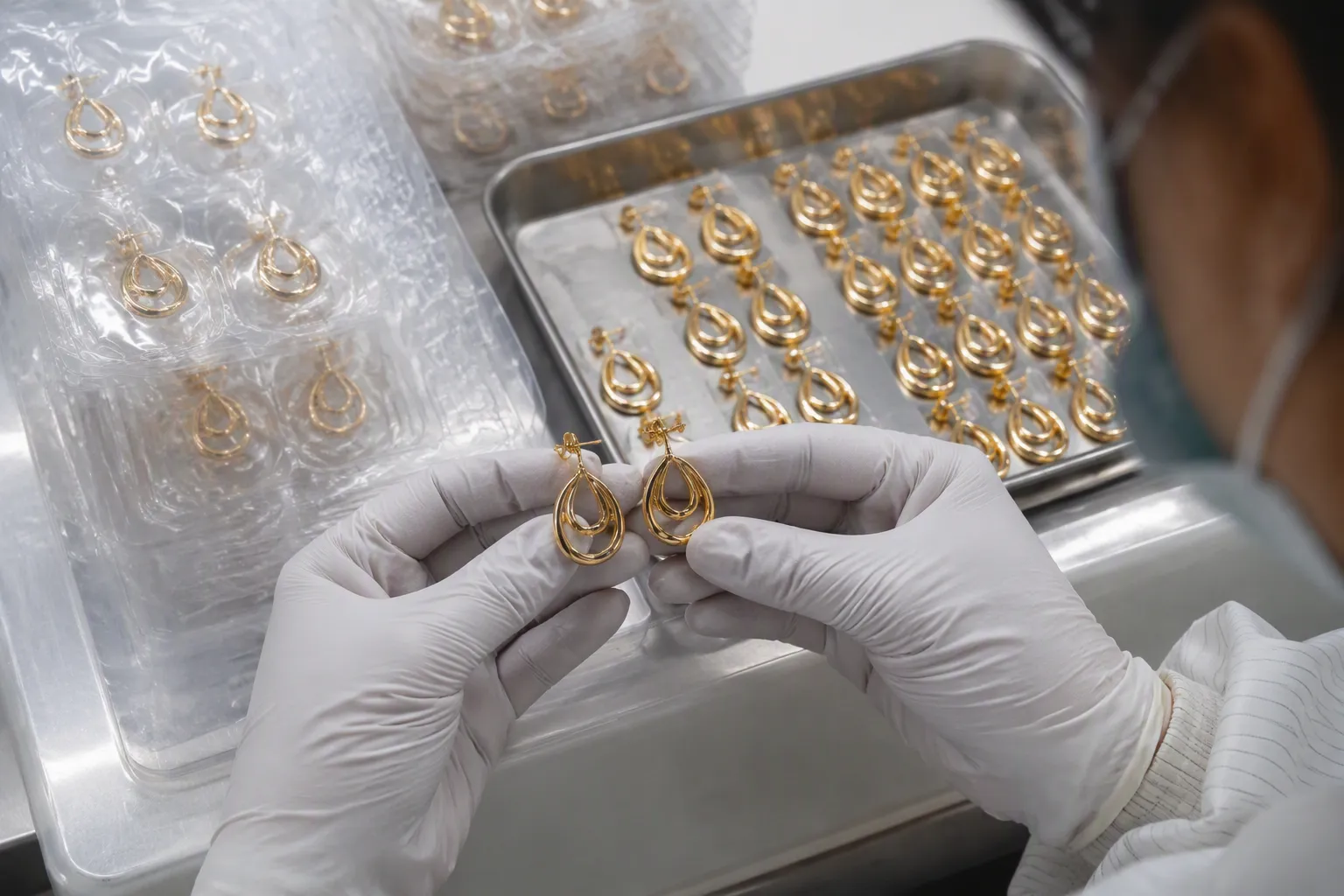
Custom Jewelry vs. Alternatives: The Importer's Buying Guide
Custom OEM jewelry gives buyers full design control and lower per-unit costs at volume — but it comes with lead times and minimum order commitments. Ready-made wholesale or retail-personalized alternatives offer speed and zero design overhead, but at the cost of margin and differentiation. Which path fits your sourcing model depends almost entirely on your order cadence, brand positioning, and how much product exclusivity matters to your customers.
TL;DR / Quick Verdict
If you're sourcing 50+ units of a product line and need your own branding, materials, and finishes, custom OEM jewelry from a vetted factory delivers far better unit economics and exclusivity than anything a retail-facing platform can offer. If you need a handful of personalized pieces fast — or you're testing a new market with no upfront capital — retail personalization platforms like Jewlr fill that gap at higher per-unit cost. For most serious importers and DTC store owners building a repeatable catalog, custom OEM is the long-term play.
At-a-Glance Comparison Table
| Dimension | Custom OEM Jewelry (e.g., STRAND) | Retail / Personalized Alternatives (e.g., Jewlr, chain stores) |
|---|---|---|
| MOQ | 12 pcs/style (most stock styles); custom OEM varies | 1 pc (consumer-facing, no wholesale structure) |
| Unit Cost | Factory-direct; margin-friendly at volume | Retail prices (subject to seasonal promotions and sales events) |
| Design Control | Full — materials, finish, gemstones, logo | Limited to engraving, birthstone, name |
| Lead Time | Sampling + production window required | Ships in days (pre-made stock) |
| Branding | White-label / OEM branding available | No white-labeling |
| Material Options | Gold-plated copper, rhodium-plated copper, 925-style silver, glass beads, natural stone, faux pearls | 18K gold-plated silver, 925 sterling silver, vermeil |
| Gemstone Styles | Amethyst, garnet, peridot, turquoise, crystal, rhinestone | Birthstones, gemstone accents |
| Payment Terms | T/T, PayPal, Western Union, L/C, Xtransfer, EXW/FOB | Credit card, Buy Now Pay Later |
| QC | In-house inspection before every shipment | Brand-level QC, not buyer-auditable |
| Support Languages | EN, FR, AR, ES, DE, RU | English |
| Best For | Importers, DTC brands, OEM buyers | End consumers; not suited for B2B resale |
Custom Jewelry Overview
Custom OEM jewelry refers to pieces manufactured to a buyer's specification — covering materials, finish, stone selection, dimensions, packaging, and branding. For importers and DTC store owners, this is the model that builds defensible product lines: your designs, your margins, your brand.
STRAND, based in Hangzhou, operates as the direct link between overseas buyers and vetted Chinese workshops. Their stock catalog runs 114 styles — with 109 of those available at MOQ 12 pcs/style, and select styles available from a single piece. The catalog spans drop earrings, stud earrings, and necklace + earring sets in vintage, gradient crystal, two-tone glass bead, and rhinestone styles. Finishes include gold-plated and rhodium-plated copper, with custom OEM extending to 925-style silver and specialty surface treatments.
What separates this model from buying through a middleman is traceability: buyers can specify amethyst or turquoise stone inlays, request diamond-cut metal detailing, choose plating thickness, and receive in-house QC documentation before a single unit ships. Trade terms are EXW or FOB, with air, sea, or express freight options.
For multilingual procurement teams — a reality for buyers operating across the US, EU, UK, and MENA — STRAND's sales support in English, French, Arabic, Spanish, German, and Russian removes a friction point that domestic or platform-based alternatives simply can't address.
For a deeper breakdown of how to evaluate suppliers in this category, Custom Jewelry: 6 Sources Buyers & DTC Brands Need in 2026 covers the full sourcing landscape with ranked criteria.
Alternatives Overview
The main alternatives to custom OEM jewelry fall into two groups: retail personalization platforms and chain jewelry stores.
Retail personalization platforms like Jewlr offer consumer-facing customization — name engravings, birthstone selections, and style variations on pre-built templates. Jewlr's personalized collection includes 641 products across rings, necklaces, bracelets, and earrings, with materials including 18K gold-plated silver, 925 sterling silver, and vermeil. The platform runs seasonal promotions and sales events, so pricing fluctuates rather than remaining fixed; alongside these discounts, they offer a 99-day return policy and one-year warranty.
Chain stores — Jared, Kay, and brand retailers like Kendra Scott — offer an entirely different positioning: in-store experience, luxury presentation, and brand equity at retail price points. These stores serve end consumers wanting a recognizable name behind their purchase. For a buyer or importer, they're useful as market benchmarks, not sourcing channels.
Neither alternative offers white-labeling, volume pricing, or factory-direct economics. A piece that retails for $164 through a personalization platform carries the platform's margin, the retailer's overhead, and none of your branding. For a DTC store owner, reselling such pieces is not viable.
Feature-by-Feature Breakdown
Pricing & Unit Economics
Custom OEM pricing from a factory-direct supplier scales with volume. MOQ starts at 12 pcs/style for most STRAND catalog items, with custom orders quoted based on specification complexity. The margin structure is fundamentally different from retail: buyers purchasing at factory prices have room to build their own retail pricing, run promotions, and still protect profitability.
Retail alternatives run at consumer price points. Jewlr's pricing varies depending on active sales and promotions, with entry-level necklaces and multi-stone pendant designs priced accordingly. These are end-consumer prices — not compatible with B2B resale margin targets.
Design & Customization Depth
Custom OEM wins this dimension outright. Buyers can specify metal type, plating finish (gold or rhodium), stone type (garnet, peridot, amethyst, natural stone, faux pearl, rhinestone, glass bead), dimensions, clasp style, and packaging. Logo integration and private-label tags are standard OEM outputs.
Retail personalization is shallow by comparison: choose a font for an engraving, pick a birthstone color, select a chain length. The underlying design is fixed. There's no path to a truly exclusive product through a platform like Jewlr or through chain stores.
Lead Time & Fulfillment
This is where alternatives have a real advantage for low-volume, fast-turnaround needs. A personalized piece from Jewlr ships in days. Custom OEM — especially on new designs — requires a sampling phase, approval rounds, and production time before shipment. For established catalog styles (like STRAND's 114-style stock range), in-stock items move faster, but sampling new OEM designs still adds weeks.
Buyers who need to react to a trend within a 2-week window won't find custom OEM the right tool. Buyers who plan 60–90 days ahead will find the economics and exclusivity worth it.
Quality Assurance & Compliance
Custom OEM from a supplier with in-house QC gives buyers documented inspection before shipment — a level of control that retail platform purchases don't offer. STRAND performs pre-shipment inspection on every order. For buyers importing into the US, EU, or UK, being able to request QC reports and material certifications matters for compliance.
Retail alternatives are QC'd to the platform's own standards, which are not buyer-auditable and not built for import compliance documentation.
Payment Flexibility
STRAND supports T/T bank transfer, Western Union, PayPal, L/C, and Xtransfer — the full range of B2B payment rails that international procurement teams actually use. Jewlr and similar platforms accept credit cards and Buy Now Pay Later — consumer payment methods that don't map to corporate procurement workflows.
Scalability
Custom OEM scales. A buyer starting at MOQ 12 pcs/style can grow into thousands of units per run without changing suppliers, re-negotiating terms, or losing design continuity. The same factory relationship that delivers a 12-piece test run can handle a 5,000-piece seasonal order.
Retail platforms don't scale in the same direction. Ordering 500 "personalized" necklaces from a consumer platform is neither cost-effective nor brand-building.
Pros and Cons
Custom OEM Jewelry
Pros
- Factory-direct unit economics; genuine margin for resale
- Full design control: materials, finish, stones (including luxury-look diamond-cut or turquoise inlay), dimensions, branding
- White-label and private label capability
- In-house QC documentation before shipment
- Multilingual sales support (EN, FR, AR, ES, DE, RU)
- Flexible trade terms: EXW or FOB, multiple payment methods
- Scales from sample quantities to large production runs
Cons
- Sampling and production lead time required for new designs
- MOQ applies (12 pcs/style minimum on most catalog styles)
- Requires more procurement coordination upfront (spec sheets, approvals)
- Not suitable for single-piece consumer orders
Retail / Personalized Alternatives
Pros
- No MOQ — order a single piece
- Fast fulfillment (days, not weeks)
- Consumer-friendly return policies (Jewlr: 99-day returns, 1-year warranty)
- Useful for market research on trending styles and price points
- Established brand credibility for gifting or personal purchases
Cons
- Retail pricing eliminates resale margin
- No white-labeling or OEM branding
- Limited design customization (engravings, stone color selection only)
- English-only support typical
- No import compliance documentation
- Not structured for B2B procurement
When to Choose Custom Jewelry
You're building a product line. If your DTC store needs 8–12 exclusive SKUs that aren't available on any other platform, custom OEM is the only path. Ordering 12+ pieces per style with your own branding creates catalog lock-in that off-the-shelf buying never can.
You're importing for retail or wholesale distribution. Buyers bringing jewelry into the US, EU, or MENA for retail distribution need factory-direct pricing, QC documentation, and the ability to specify materials compliant with local standards. No consumer platform addresses these requirements.
You're working with a multilingual procurement team. If your buying team operates in Arabic, French, or Spanish — common in MENA and EU procurement — a supplier offering native-language sales support removes a significant coordination burden.
You need a mix of stock and custom. STRAND's 114-style catalog lets buyers start with proven stock designs at low MOQ while developing custom pieces in parallel — a practical approach for new importers still learning which styles move in their market.
For more context on evaluating factory-direct vs. other sourcing models, 6 Custom Jewelry Sources Ranked: OEM Suppliers & Retail Benchmarks for 2026 offers a ranked comparison with criteria that matter to serious buyers.
When to Choose Alternatives
You need a one-off piece fast. A gifting situation, a sample for photography, or a trend-test with no capital commitment — retail personalization platforms are built for this. The per-unit cost is high, but so is the speed.
You're doing competitive price research. Checking what Jared stores, Kendra Scott, or Jewlr charge for comparable styles tells you where retail price ceilings sit in your market. That's valuable data, not a sourcing channel.
You're selling a luxury brand story, not a product line. Some DTC brands are built entirely on the cachet of a known retail name — buying from an established jewelry brand and reselling at a markup. This is a different business model than building your own catalog, and it doesn't require factory-direct sourcing.
Final Verdict
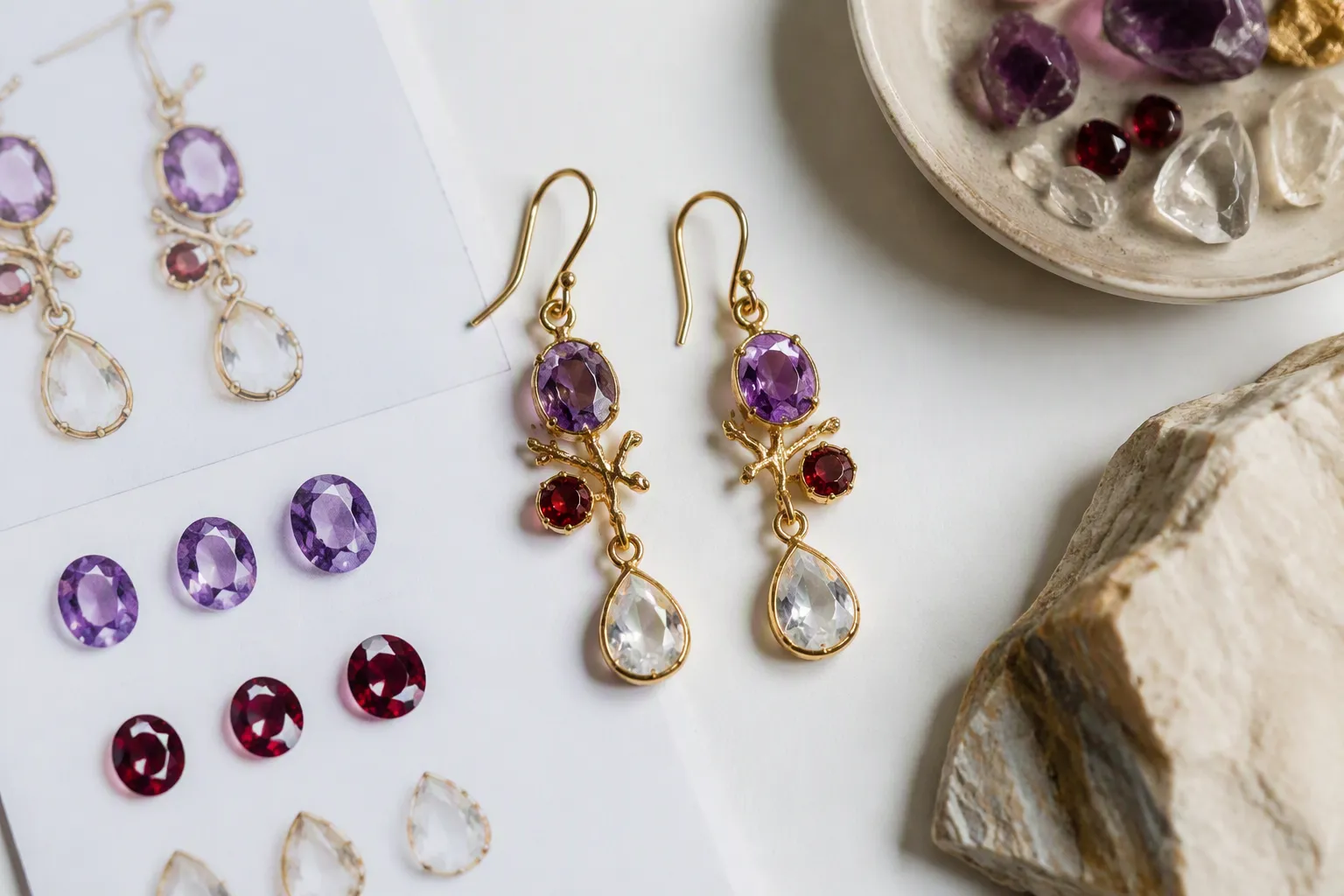
For buyers, importers, and DTC store owners sourcing repeatable inventory, custom OEM jewelry from a factory-direct supplier is not just the cheaper option — it's the only option that builds a brand. Retail and personalization platforms like Jewlr serve end consumers well, but they're not built for the procurement workflow, margin structure, or compliance documentation that B2B buying requires.
The alternative path makes sense at the edges: fast one-offs, competitive benchmarking, or niche luxury resale strategies. For everyone building a catalog they'll reorder season after season, factory-direct custom jewelry is the model worth structuring your supply chain around.
Ready to evaluate whether custom OEM fits your order volume and product goals? Request a quote or sample from STRAND — bring your style references, target materials, and order quantities, and get specific MOQ and pricing back, not a ballpark.