
Custom Jewelry vs. Retail: The B2B Sourcing Guide
Custom Jewelry vs. Retail: The B2B Sourcing Guide
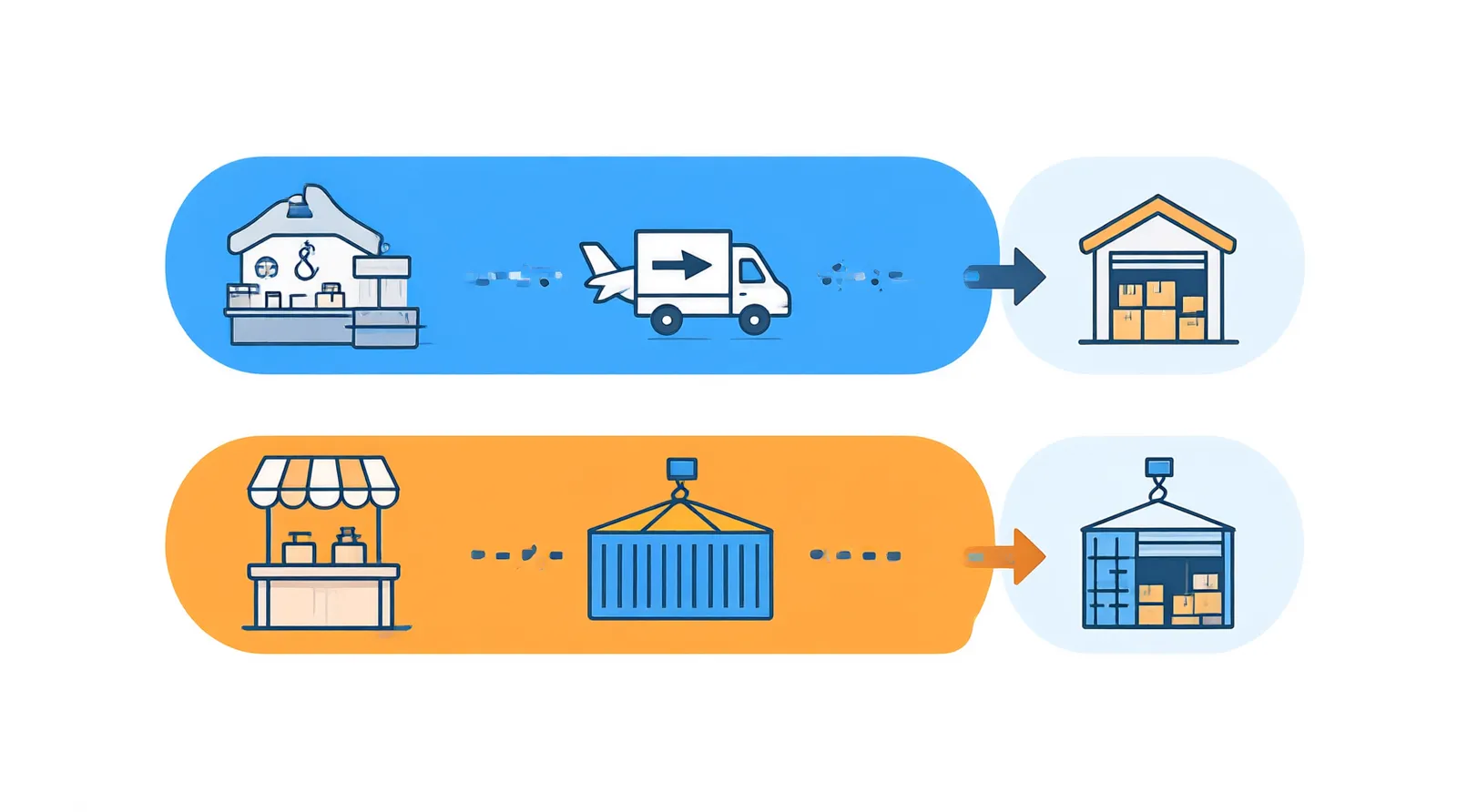
Custom jewelry sourced directly from OEM manufacturers offers importers and DTC store owners control over materials, design specifications, and unit economics at scale, while retail alternatives—such as personalized pieces from online storefronts or big-box jewelers—provide immediate availability with zero production lead time but limited margin potential. If you are a buyer in the US, EU, UK, or MENA region looking to build a proprietary brand or source specific fashion jewelry chains, earrings, and sets, custom OEM is the operational standard. If you need a single engraved piece for an end-consumer without inventory risk, retail alternatives serve that narrow use case.
TL;DR / Quick Verdict
For multilingual procurement teams, DTC store owners, and importers building a branded catalog, custom jewelry manufactured via vetted workshops (like STRAND’s Hangzhou-based network) provides the margins, material control, and low MOQs required to compete. Retail alternatives—ranging from online personalization platforms offering 638 products (Jewlr) to brick-and-mortar chains—are strictly B2C solutions that cannot support wholesale volume, private labeling, or cross-border trade terms like EXW or FOB. Choose custom OEM for commercial sourcing; choose retail alternatives only for one-off consumer gifting.
At-a-Glance Comparison Table
| Dimension | Custom Jewelry (OEM/Direct Sourcing) | Alternatives (Retail Personalization / Big-Box) |
|---|---|---|
| Target Buyer | Importers, DTC brands, B2B buyers | Individual consumers, gift buyers |
| Pricing Model | Factory-direct unit cost; scales with volume | Fixed retail price (runs seasonal promotions on items like name necklaces) (Jewlr) |
| MOQ | As low as 12 pcs/style on most stock designs; select styles from 1 pc | 1 piece |
| Materials | Gold-plated/rhodium-plated copper, glass beads, natural stone, faux pearls, 925-style silver finishes | Standardized base metals, lab-grown or mined stones depending on retailer |
| Trade Terms | EXW, FOB | N/A (Retail checkout) |
| Shipping | Air, sea, express freight | Free standard shipping or premium courier (Jewlr) |
| Payment Methods | T/T bank transfer, Western Union, PayPal, L/C, Xtransfer | Credit card, BNPL plans (Jewlr) |
| Quality Control | In-house QC inspection before every shipment | Standard retail return policies (e.g., 99-day returns) (Jewlr) |
| Support Language | Multilingual sales (EN, FR, AR, ES, DE, RU) | Typically English-only or localized per regional site |
| Scalability | High (OEM production lines) | Low (capped by retail inventory) |
Custom Jewelry Overview
Custom jewelry in a B2B context refers to fashion and fine pieces designed, prototyped, and manufactured to a buyer’s exact specifications—or selected from a supplier’s stock catalog and branded privately. It is built for importers, wholesale buyers, and DTC store owners who need predictable unit costs and exclusive designs to protect their retail margins.
STRAND operates as a cross-border fashion jewelry brand linking vetted Chinese workshops directly to overseas buyers across the US, EU, UK, and MENA regions. The standout strength here is the balance between customization and accessibility. Buyers can access a 114-style stock catalog featuring drop earrings, stud earrings, and necklace + earring sets in vintage, gradient crystal, two-tone glass bead, and rhinestone styles. For 109 of those 114 catalog styles, the MOQ sits at just 12 pcs/style, with select styles available from 1 pc.
When buyers require fully bespoke runs, custom OEM services cover gold-plated and rhodium-plated copper, 925-style silver finishes, glass beads, natural stones, and faux pearls. This infrastructure supports procurement teams executing complex cross-border transactions using EXW or FOB trade terms, paying via T/T, L/C, or Xtransfer, and communicating with sales teams in six languages. For a deeper look at how buyers evaluate these manufacturing partners, our guide on Custom Jewelry: 6 Sources Buyers & DTC Brands Need in 2026 breaks down the supplier landscape further.
Alternatives Overview
Alternatives to custom OEM jewelry encompass retail-focused personalization platforms and traditional jewelry stores. These channels are built for individual consumers seeking one-off gifts, such as an engraved pendant or a birthstone ring, rather than businesses sourcing inventory.
Online personalization retailers aggregate hundreds of SKUs into searchable catalogs. Platforms like Jewlr list categories including Best Sellers, Birthstone, Engravable, Rings, Necklaces, Bracelets, and Earrings, hosting a total of 638 products in their personalized jewelry category alone (Jewlr). They offer consumer-friendly perks like one-year warranties and Buy Now, Pay Later payment plans (Jewlr).
Big-box retail chains and mall jewelers—such as Jared, Kendra Scott, or luxury department stores—represent another alternative. These stores offer immediate physical inspection and standardized sizing. However, they operate on fixed retail pricing models. You cannot negotiate trade terms, request bulk discounts for 500 units of a specific drop earring, or alter the base metal from standard sterling silver to rhodium-plated copper to hit a specific DTC price point. Understanding this fundamental difference is critical when evaluating custom jewelry vs. retail alternatives for your business model.
Feature-by-Feature Breakdown
Pricing and Unit Economics
Custom jewelry pricing is driven by raw material costs, labor, plating thickness, and order volume. When sourcing from an OEM partner like STRAND, buyers negotiate factory-direct unit costs. This allows a DTC brand to source a gradient crystal necklace set, apply their markup, and remain competitive against fast-fashion retailers while maintaining perceived value. Trade terms (EXW or FOB) dictate exactly where liability and shipping costs transfer, giving financial teams precise landed-cost calculations.
Retail alternatives operate on fixed pricing. On platforms like Jewlr, personalized items carry set retail tags—for instance, engravable stacking pendants or gemstone rings are listed at specific price points, sometimes subject to promotional discounts (Jewlr). While signing up for an account might yield an extra percentage off (Jewlr), this is irrelevant to a B2B buyer needing to purchase 50 units of a specific style to stock a Shopify store. Retail pricing destroys wholesale margin.
Core Features and Material Flexibility
Custom OEM sourcing grants absolute control over the bill of materials. A buyer targeting the MENA market might request intricate gold-plated copper drop earrings featuring turquoise or amethyst-colored glass beads, tailored to regional aesthetic preferences. Another buyer in the EU might prefer minimalist rhodium-plated stud earrings with faux pearls. STRAND’s catalog covers vintage, gradient crystal, two-tone glass bead, and rhinestone styles, and the OEM capability extends to matching these aesthetics in various base metals and finishes, including 925-style silver looks.
Retail alternatives limit you to what is currently in stock. If a consumer wants a peridot or garnet birthstone ring, they must choose from the retailer's existing templates. You cannot ask a retail platform to swap a diamond-accent setting for a more affordable cubic zirconia alternative to fit a specific budget tier, nor can you request a custom mold for a unique silhouette.
Logistics, Integrations, and Payment
Cross-border B2B logistics require flexibility. Custom jewelry suppliers accommodate freight forwarding via air, sea, or express shipping, integrating smoothly with a buyer's existing third-party logistics (3PL) providers. Payment structures match international trade standards: T/T bank transfers, Letters of Credit (L/C), Western Union, Xtransfer, and PayPal. This multilingual, multi-currency infrastructure removes friction for procurement teams operating in EN, FR, AR, ES, DE, or RU.
Retail alternatives use standard B2C checkout flows. Shipping is often subsidized (free shipping is common on sites like Jewlr) (Jewlr), but it is routed directly to a residential address via standard couriers. There is no mechanism to route a pallet to a bonded warehouse, nor are there commercial invoices formatted for customs clearance on bulk imports.
Quality Assurance and Support
In custom manufacturing, quality assurance is a proactive process. STRAND conducts in-house QC inspections before every shipment leaves the facility. If a batch of two-tone glass bead earrings fails a plating adhesion test, it is caught before it reaches the port. Buyers evaluating OEM partners should always verify these inspection protocols—a topic we expand on when ranking 6 Custom Jewelry Sources: OEM Suppliers & Retail Benchmarks for 2026.
Retail alternatives rely on reactive support. If a piece arrives damaged or tarnishes, the consumer utilizes a return policy. Jewlr, for example, offers a 99-day return policy alongside a one-year warranty (Jewlr). This protects the individual shopper but offers no systemic quality control for a business trying to ensure 500 units meet a uniform standard before a seasonal launch.
Scalability and Catalog Depth
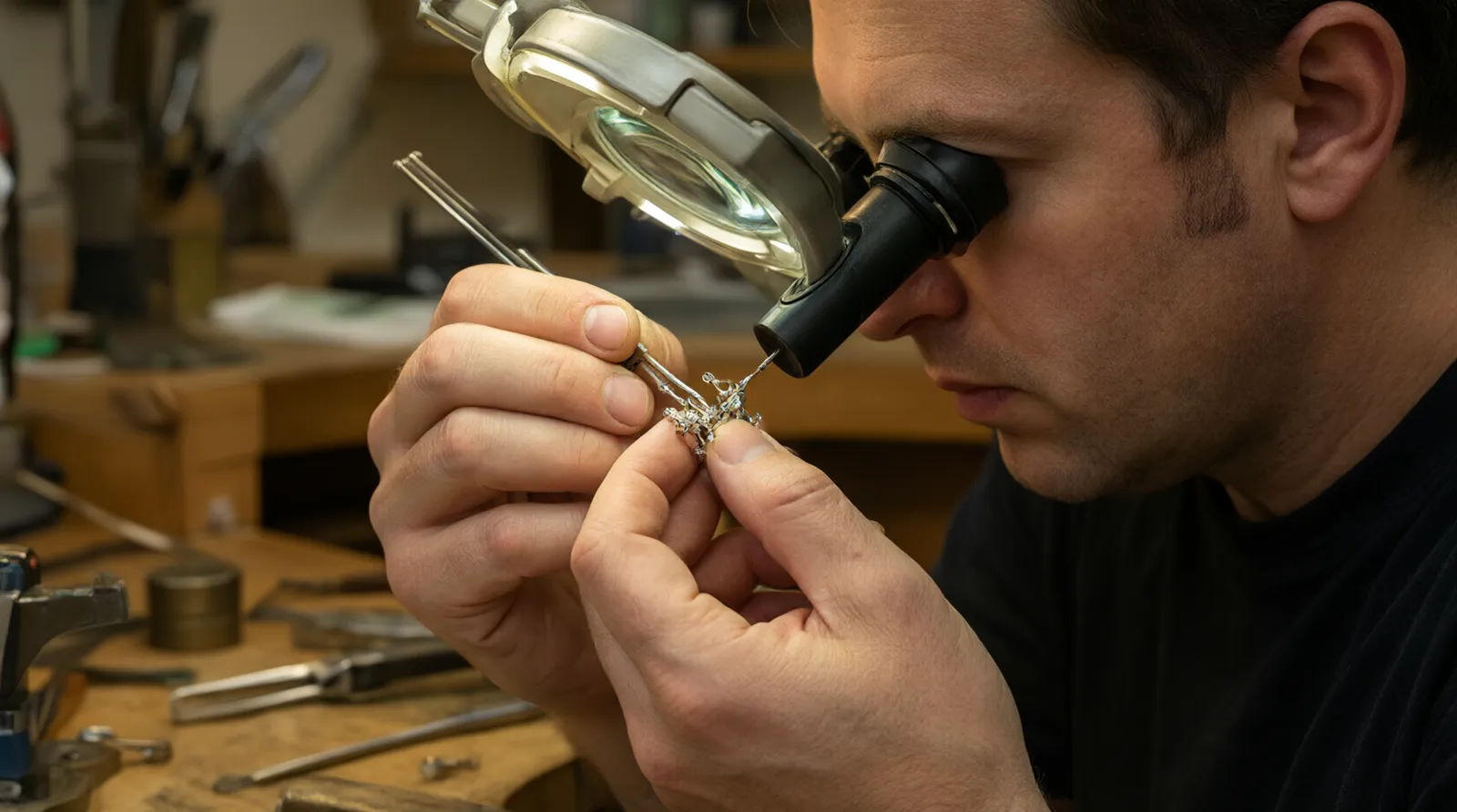
Custom jewelry scales linearly with your capital. Once a prototype is approved, producing 12 pieces or 12,000 pieces follows the same manufacturing logic. STRAND’s 114-style stock catalog serves as a baseline, allowing buyers to test market demand with low MOQs (12 pcs/style on 109 styles) before committing to larger OEM production runs.
Retail alternatives do not scale. Inventory is shared among all consumers. If a specific engraved necklace goes viral, stock depletes rapidly, leaving B2B buyers unable to fulfill orders. Furthermore, you cannot secure exclusivity on a retail design; any competitor can purchase the exact same item from the same website.
Pros and Cons
Custom Jewelry (OEM Sourcing)
Pros:
- Margin Control: Factory-direct pricing enables healthy retail markups.
- Exclusivity: Proprietary designs prevent competitors from selling identical inventory.
- Low Barrier to Entry: MOQs as low as 12 pcs/style (and 1 pc on select styles) reduce initial capital risk.
- Material Customization: Choice of gold/rhodium plating, copper bases, natural stones, or glass beads.
- B2B Infrastructure: Support for EXW/FOB terms, L/C payments, and multilingual communication.
- Proactive QC: Pre-shipment inspections ensure batch consistency.
Cons:
- Lead Times: Production and ocean freight require advanced planning compared to instant retail checkout.
- Prototyping Costs: Fully bespoke designs may require sampling fees before bulk production.
- Logistics Management: Buyers must handle or coordinate customs clearance and freight forwarding.
Alternatives (Retail Personalization & Stores)
Pros:
- Immediate Fulfillment: No production wait times; ships directly from existing inventory.
- Zero MOQ: Purchase exactly one unit.
- Consumer Protections: Generous return windows (e.g., 99 days) and warranties (Jewlr).
- No Logistics Overhead: Standard B2C shipping handles delivery.
Cons:
- No Wholesale Margins: Retail pricing eliminates B2B profitability.
- Zero Exclusivity: Designs are public and available to anyone.
- Limited Customization: Restricted to the retailer's existing templates, stones, and metal options.
- No Trade Terms: Cannot utilize FOB, L/C, or commercial freight routing.
When to Choose Custom Jewelry
Choose custom jewelry if you are a DTC brand owner launching a new collection of drop earrings or necklace sets and need to maintain a specific price point while ensuring high perceived luxury. If you are an importer supplying regional boutiques in the UK or MENA and require specific cultural motifs executed in gold-plated copper or natural stone, OEM manufacturing is the only viable path.
It is also the correct choice when testing new product lines. With STRAND’s model, you can order 12 pieces of a specific rhinestone or gradient crystal style from the 114-piece catalog to validate market demand before commissioning a full custom OEM run. Procurement teams managing cross-border supply chains will specifically benefit from the ability to pay via T/T or L/C and ship via sea freight to optimize landed costs. For a broader perspective on navigating this decision as a growing brand, review our B2B sourcing guide for DTC brands.
When to Choose Alternatives
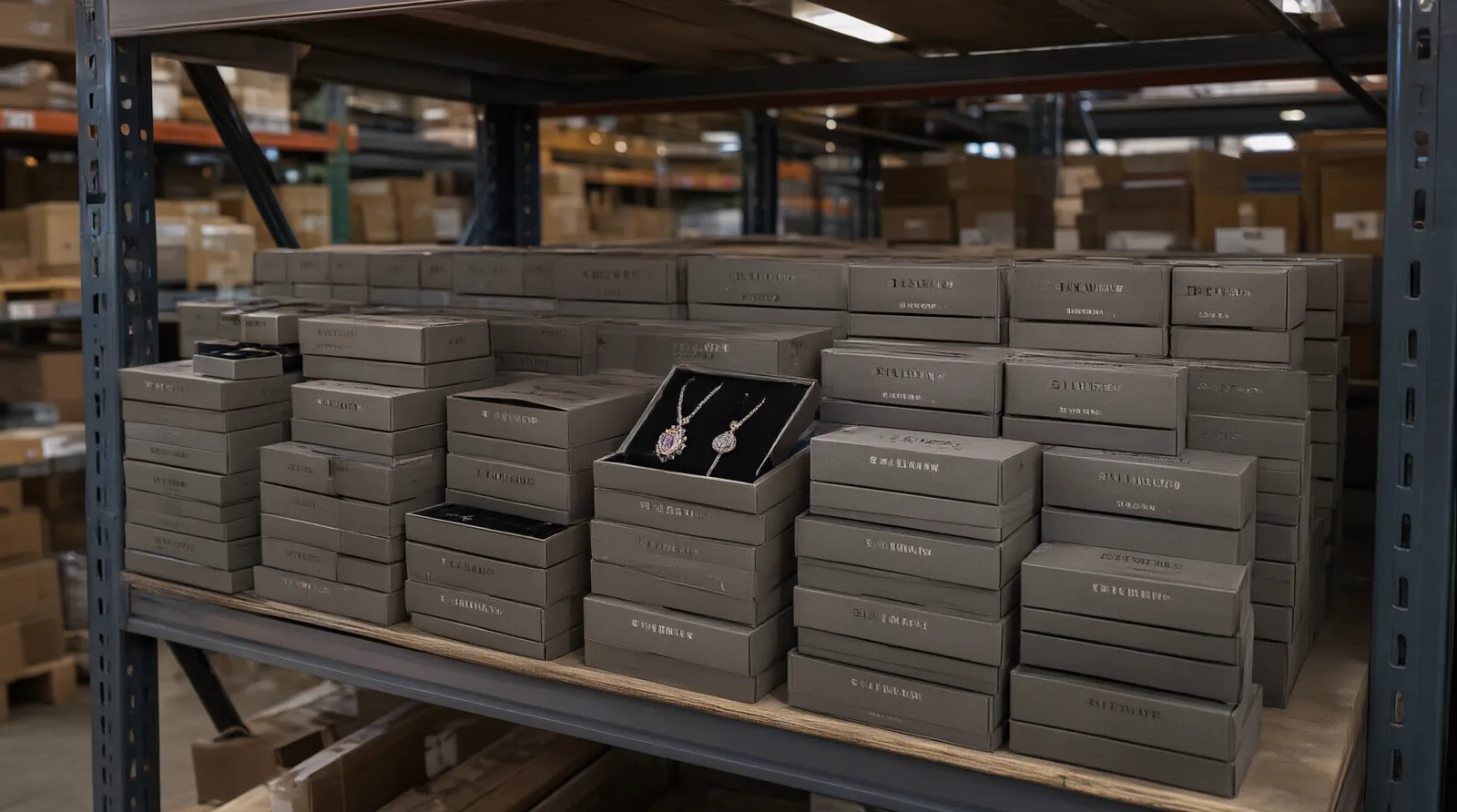
Choose retail alternatives if you are an individual purchasing a single, personalized gift—such as an engraved pendant or a birthstone ring featuring amethyst, garnet, or peridot—for a friend or family member. If you need a piece immediately for an event tomorrow and cannot wait for production or freight transit, a local jeweler or an expedited retail order is necessary.
These alternatives also make sense for small-scale stylists pulling props for a single photoshoot where buying one piece at retail price is cheaper than meeting any manufacturer's minimum order requirement. However, if that photoshoot turns into a permanent retail line, you must transition to custom sourcing to survive commercially.
Final Verdict
The decision between custom jewelry and retail alternatives is not a matter of preference; it is dictated entirely by your operational role. Retail platforms and big-box stores solve a consumer problem: acquiring a single, personalized item quickly. Custom OEM solves a business problem: securing exclusive, scalable inventory at margins that sustain a company.
For importers, DTC store owners, and multilingual procurement teams sourcing fashion jewelry from China, retail alternatives are functionally useless. They offer no trade terms, no bulk pricing, no material engineering, and no exclusivity. Custom jewelry—specifically through direct-to-workshop partners like STRAND—provides the 12-piece MOQs, EXW/FOB logistics, pre-shipment QC, and material versatility (from 925-style silver finishes to two-tone glass beads) required to build a profitable catalog.
If you are preparing for your next sourcing cycle, map out your required SKUs and material specs. Visit strandjewelry.com to review the 114-style stock catalog, verify current MOQ tiers for your target designs, and submit a Request for Quote (RFQ) to get exact pricing and lead times for your region.