
Custom Jewelry vs. Retail Alternatives: A Sourcing Comparison
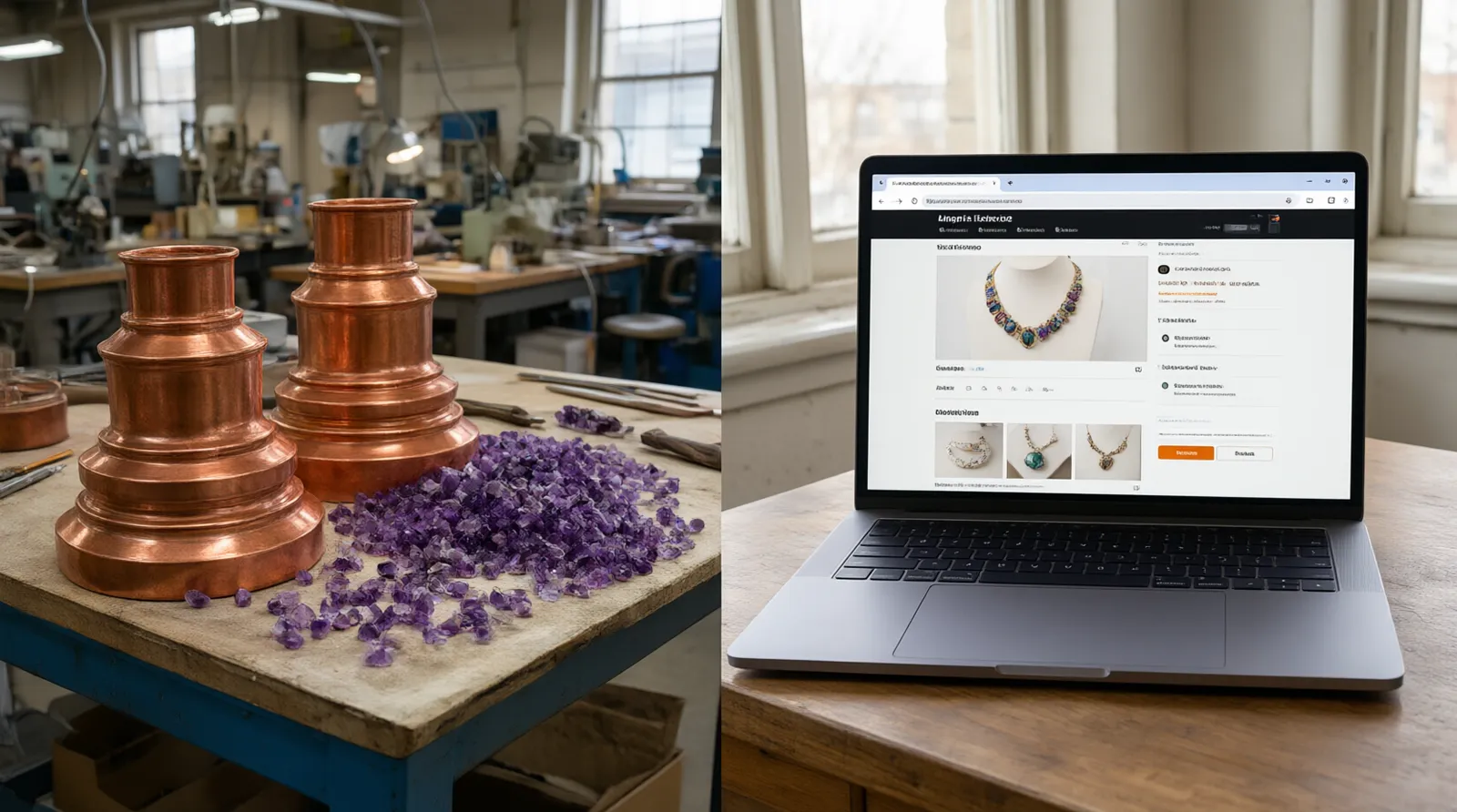
Custom Jewelry vs. Retail Alternatives: A Sourcing Comparison
Custom jewelry sourced through direct-to-workshop OEM suppliers gives buyers control over design, materials, and unit economics, while retail alternatives—ranging from branded chains to online personalization platforms—offer speed and zero minimums at the cost of margins and exclusivity. If you are a DTC store owner or importer in the US, EU, UK, or MENA building a proprietary line, custom OEM is the only path that protects your pricing structure. If you need 10 units by Friday for a pop-up, retail platforms are your stopgap.
TL;DR / Quick Verdict
Buyers scaling a private label or DTC brand should choose custom jewelry through vetted OEM manufacturers like STRAND, where MOQs start at 12 pcs/style on 109 of 114 catalog designs and trade terms (EXW/FOB) protect wholesale margins. Choose alternatives—such as retail personalization sites or big-box stores—only when you need immediate inventory with zero production lead time, accept standard retail markup, and do not require exclusive designs. For procurement teams evaluating long-term sourcing, custom OEM eliminates the middleman markup entirely.
At-a-Glance Comparison Table
| Dimension | Custom Jewelry (OEM/Direct Sourcing) | Alternatives (Retail Chains, Online Personalizers) |
|---|---|---|
| Pricing Model | Wholesale (EXW or FOB). Unit cost drops significantly at volume. | Retail MSRP. Fixed per-unit cost regardless of volume. |
| Minimum Order Quantity | 12 pcs/style on most stock designs (109 of 114 styles); select styles from 1 pc. Custom OEM requires quoted MOQ. | 1 piece. No bulk requirements. |
| Design Control | Full control over base metals (gold-plated/rhodium-plated copper, 925-style silver finishes), stones, and dimensions. | Limited to platform templates (e.g., engraving a name, picking a preset charm). |
| Lead Time | Production + shipping (air, sea, or express). Requires planning. | Immediate in-store purchase or standard domestic e-commerce shipping (3-7 days). |
| Material Options | Glass beads, natural stone, faux pearls, gradient crystal, two-tone glass bead, rhinestone. | Varies wildly; often limited to sterling silver, gold vermeil, or lab-grown stones. |
| Target Buyer | Importers, DTC store owners, multilingual procurement teams. | End consumers, boutique owners buying single display pieces. |
| Support & Service | Multilingual sales support (EN, FR, AR, ES, DE, RU), in-house QC inspection before shipment. | Standard consumer customer service; no dedicated B2B account management. |
| Payment Terms | T/T bank transfer, Western Union, PayPal, L/C, Xtransfer. | Credit card, PayPal, BNPL (Afterpay/Klarna). |
Custom Jewelry Overview
Custom jewelry in a B2B context refers to pieces designed, engineered, and manufactured specifically for a brand or importer, bypassing traditional wholesale distributors. It is built for DTC store owners, regional importers, and buyers who need to differentiate their inventory from competitors selling identical mass-market goods.
The standout strength of this model is supply chain control. Working with a Hangzhou-based brand like STRAND links overseas buyers directly to vetted Chinese workshops. Instead of paying a distributor's margin, buyers negotiate EXW or FOB trade terms directly. The product range covers high-demand fashion categories: drop earrings, stud earrings, and necklace + earring sets featuring vintage, gradient crystal, two-tone glass bead, and rhinestone styles. Base materials typically include gold-plated and rhodium-plated copper, glass beads, natural stone, and faux pearls.
For procurement teams, the operational advantage lies in flexibility. Buyers can test the market using a 114-style stock catalog with an MOQ of just 12 pcs/style on 109 of those designs, or commission full custom OEM runs tailored to specific market trends. Multilingual sales support (English, French, Arabic, Spanish, German, Russian) removes communication friction for teams operating across the US, EU, UK, and MENA regions. Every shipment undergoes in-house QC inspection before leaving the facility, mitigating the quality risks historically associated with cross-border manufacturing. Understanding how these operational factors stack up against retail models is essential, which we detail further in our B2B sourcing guide for brands.
Alternatives Overview
Alternatives encompass any non-custom, ready-to-buy jewelry source. This includes large-scale retail chains (like Kay Jewelers or Jared), mid-tier online brands (like Kendra Scott or Made By Mary), and digital personalization platforms (like Jewlr or Catbird). These channels are built primarily for end consumers, though small boutique owners occasionally use them to fill gaps in their inventory.
The primary strength of alternatives is immediacy. A buyer can walk into one of thousands of retail stores or log onto a website, select a pre-made design, add a basic personalization (like an engraved initial or a birthstone selection), and have it shipped within days. There is no production timeline, no tooling cost, and no MOQ.
However, these alternatives are fundamentally retail operations. Brands like Brook and York or Catbird sell finished goods at luxury or premium price points to consumers. If a DTC store owner sources from these platforms to resell, they are buying at retail and attempting to sell at retail, which destroys profit margins. Furthermore, the designs are public. Any competitor can buy the exact same turquoise pendant or peridot stud earring, eliminating brand exclusivity.
Feature-by-Feature Breakdown
Pricing and Margins
Custom jewelry operates on wholesale economics. Because buyers deal directly with manufacturers via EXW or FOB terms, the cost per unit reflects raw materials and labor rather than retail markup. Payment infrastructure supports B2B realities: T/T bank transfers, Letters of Credit (L/C), Western Union, Xtransfer, and PayPal. When ordering gold-plated copper drop earrings in bulk, the per-unit cost allows DTC brands to maintain healthy margins even when competing with fast-fashion retailers.
Alternatives lock buyers into fixed retail pricing. Whether purchasing a diamond-accented pendant from a legacy jeweler or a personalized bar necklace from an online DTC brand, the price includes the seller's marketing, retail overhead, and profit margin. Reselling these items leaves almost no room for profitability unless the buyer operates in a highly localized market with zero competition.
Design and Material Capabilities
Direct OEM sourcing offers granular control over specifications. Buyers can request specific plating thicknesses, swap out synthetic stones for natural ones, or combine materials—pairing 925-style silver finishes with natural stone or faux pearls. You dictate whether a ring features amethyst, garnet, peridot, or turquoise. The manufacturer executes the technical file.
Alternatives restrict you to their existing supply chain. If a retail brand only stocks lab-grown stones and sterling silver, you cannot force them to produce a rhodium-plated copper variant with two-tone glass beads. Personalization platforms usually allow you to change a font or pick a charm from a dropdown menu, but the underlying architecture of the piece remains static.
Minimum Order Quantities (MOQ)
A common misconception is that custom manufacturing requires massive volume. Direct-to-workshop models have drastically lowered this barrier. STRAND, for example, allows buyers to order from a 114-style stock catalog with an MOQ of just 12 pcs/style on 109 designs, and select styles from as low as 1 pc. True custom OEM projects will have specific MOQs based on tooling and setup, but the entry point for testing designs is highly accessible for small-to-mid-sized DTC brands.
Alternatives inherently have an MOQ of 1. This is ideal for a consumer buying a gift, but irrelevant for a business trying to build scalable inventory.
Quality Assurance and Logistics
Cross-border custom jewelry relies on structured logistics. Buyers choose between air freight, sea freight, or express courier depending on urgency and volume. Crucially, reputable OEM partners conduct in-house QC inspections before every shipment. This step catches plating inconsistencies, loose settings, or packaging errors before the goods leave the origin country.
Alternatives handle logistics internally. You receive a standard e-commerce package. While convenient, you have no visibility into how the item was inspected, packaged, or stored prior to shipping. For B2B buyers importing hundreds of units, relying on retail packaging and consumer-grade shipping is financially unviable.
Support and Communication
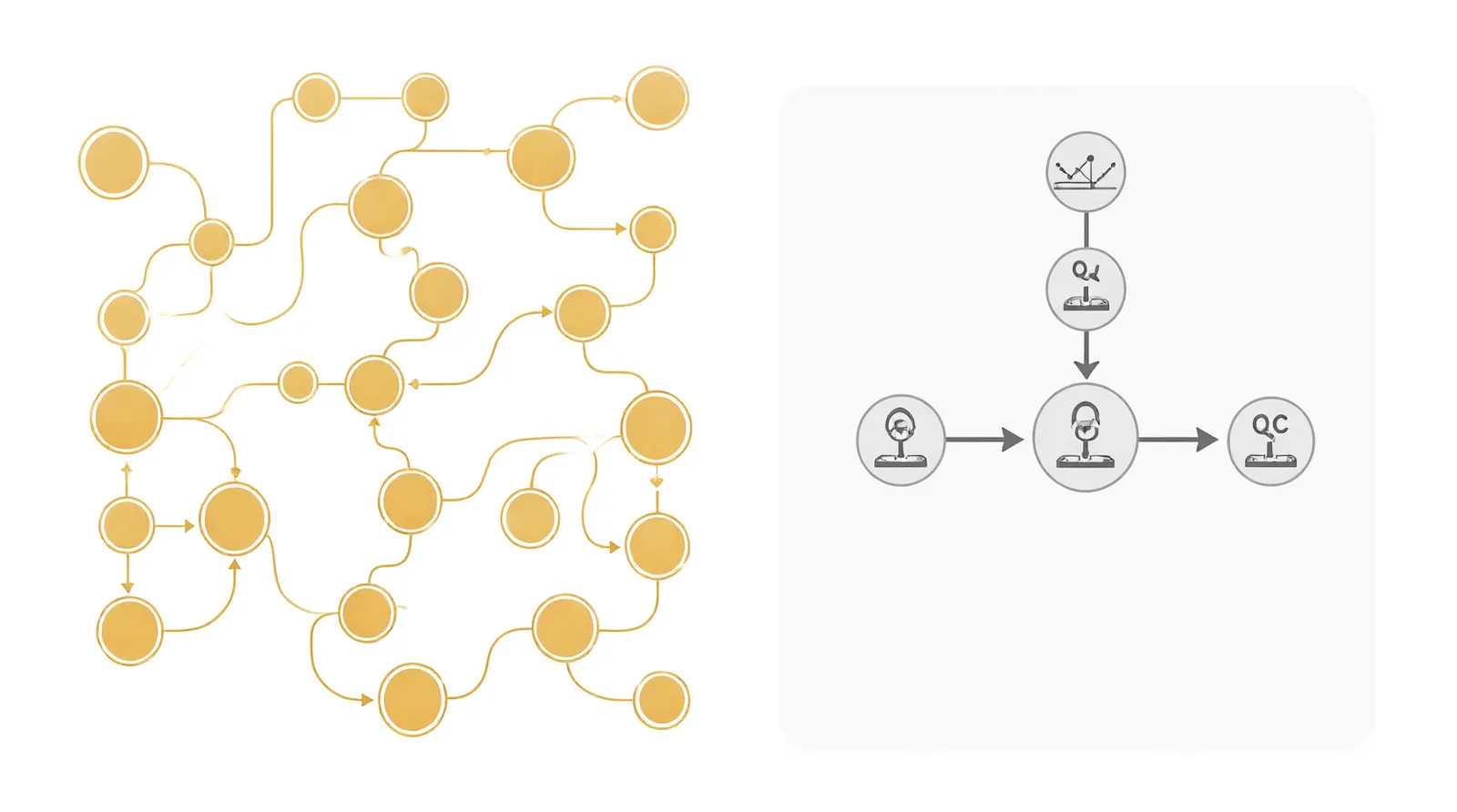
Sourcing internationally requires precise communication. Custom jewelry suppliers catering to global markets provide multilingual sales teams fluent in EN, FR, AR, ES, DE, and RU. This ensures technical specifications for complex items—like gradient crystal earrings—are understood perfectly across language barriers.
Alternatives offer standard consumer support. Chatbots, email tickets, and toll-free numbers designed for individual shoppers do not accommodate the needs of a procurement team requesting material safety data sheets, commercial invoices for customs, or bulk discount structures.
Pros and Cons
Custom Jewelry (OEM Sourcing)
Pros:
- Wholesale pricing (EXW/FOB) maximizes DTC profit margins.
- Complete control over base metals, plating, and stone selection.
- Low barrier to entry (12 pcs/style on most stock designs).
- Exclusive designs prevent direct competitor matching.
- Dedicated B2B payment methods (L/C, T/T, Xtransfer).
- Multilingual support streamlines cross-border procurement.
- In-house QC prevents defective inventory from reaching your warehouse.
Cons:
- Requires production and shipping lead times; not suitable for emergency restocks.
- Demands upfront planning regarding design specs and material choices.
- Requires managing international logistics (customs, freight forwarding) if buying FOB.
Alternatives (Retail & Personalization Platforms)
Pros:
- Immediate availability (buy in-store or ship within days).
- Zero minimum order quantities.
- No need to manage production files, tooling, or factory communication.
- Easy returns handled through standard consumer protection policies.
Cons:
- Retail pricing destroys resale margins.
- Zero design exclusivity; competitors can buy the exact same stock.
- Limited material options restricted to the retailer's current catalog.
- Consumer-grade customer support lacks B2B procurement capabilities.
- No access to commercial trade terms or wholesale payment structures.
When to Choose Custom Jewelry
Choose custom jewelry if you operate a DTC e-commerce brand, a regional distribution network, or a boutique chain requiring exclusive inventory. If your business model depends on maintaining a specific margin—say, sourcing gold-plated copper drop earrings to retail at a luxury price point—you must control the manufacturing cost.
This route is also mandatory if your target market demands specific cultural or regional aesthetics that mainstream western retailers ignore. For instance, procurement teams in the MENA region sourcing specific rhinestone or vintage styles benefit directly from multilingual Arabic-speaking sales reps and customized OEM runs. If you are actively comparing suppliers to build out your vendor list, reading guides like Custom Jewelry: 6 Sources Buyers & DTC Brands Need in 2026 can help you benchmark manufacturers against retail standards.
When to Choose Alternatives
Choose alternatives if you are an end consumer buying a single piece of jewelry for personal wear or a one-off gift. If you are a very small boutique owner who needs exactly three display pieces for a weekend pop-up event tomorrow, walking into a local store or ordering overnight from an online personalizer is the only logical move.
Alternatives also make sense for businesses conducting early-stage visual merchandising tests before committing capital to manufacturing. You might buy a few pieces from a site like Made By Mary to photograph alongside your apparel line. However, once those items generate demand, continuing to buy them at retail prices to fulfill orders is unsustainable. At that inflection point, transitioning to OEM manufacturing becomes a financial necessity. Evaluating exactly when to make that pivot is covered in depth in our breakdown of 6 Custom Jewelry Sources Ranked: OEM Suppliers & Retail Benchmarks for 2026. We also explore how these strategic decisions impact scaling DTC brands in our sourcing comparison for DTC brands.
Final Verdict
The decision between custom jewelry and retail alternatives comes down to your position in the supply chain. If you are a buyer, importer, or DTC store owner whose revenue depends on margin and exclusivity, retail alternatives are mathematically incompatible with your business model. Buying at MSRP to sell at MSRP yields no profit.
Custom jewelry sourced directly from vetted workshops provides the necessary economic foundation for a scalable brand. With entry points as low as 12 pcs/style on the majority of a 114-piece catalog, flexible trade terms (EXW/FOB), and rigorous in-house QC, the historical risks of overseas manufacturing are largely neutralized. The ability to specify exact materials—from 925-style silver finishes to natural stones like amethyst, garnet, peridot, and turquoise—ensures your product line remains distinct in crowded markets across the US, EU, UK, and MENA.
If your next collection requires specific plating, exact stone cuts, or protected designs, initiate the procurement process directly. Review the current 114-style stock catalog, define your material requirements, and request a quote based on your target volume. Reach out to the STRAND sales team at https://strandjewelry.com to get current MOQ parameters, request samples, and secure pricing for your next production run.