
What Is PVD Gold? The Ultimate Durability Guide for Buyers
What Is PVD Gold? The Ultimate Durability Guide for Buyers
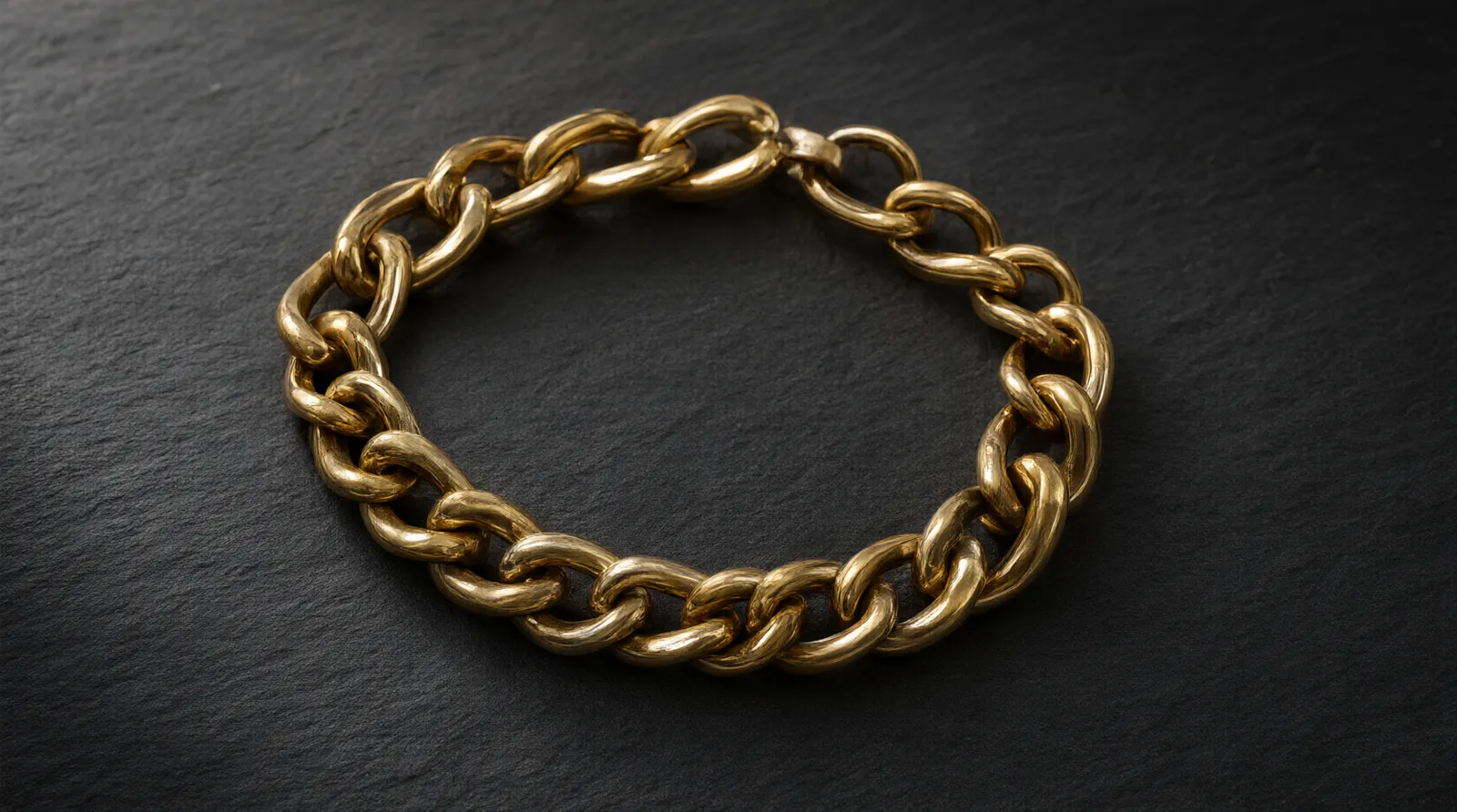
PVD gold is jewelry finished using Physical Vapor Deposition, a vacuum-based process that bonds a microscopic layer of real gold or gold-tone material to a base metal like stainless steel. Unlike traditional electroplating, the coating becomes part of the metal's surface at a molecular level, resulting in significantly higher resistance to tarnishing, scratching, and daily wear.
For overseas procurement teams, DTC store owners, and importers sourcing durable collections, understanding what is pvd gold separates crafted, long-lasting inventory from pieces that degrade after a single season. The technology originated in industrial manufacturing—coating aerospace components and medical devices—and has been adapted for fine and fashion jewelry because it offers a premium finish without the weight or cost volatility of solid gold. If you are evaluating suppliers for your next catalog drop, the specifics of this coating process directly impact your return rates, customer satisfaction, and brand positioning.
What Exactly Is PVD Gold?
Physical Vapor Deposition (PVD) is a thin-film coating method performed inside a high-vacuum chamber. Solid materials—often titanium nitride for the base color, topped with genuine 14k or 18k gold—are vaporized using extreme heat or electrical arcs. These vaporized atoms then travel across the vacuum and condense onto the jewelry substrate, bonding atom by atom.
When buyers ask what is pvd gold compared to standard plating, the distinction lies in this atomic bond. Traditional wet electroplating relies on an electrical current passing through a liquid chemical bath to deposit gold ions onto a surface. That layer sits on top of the base metal. PVD penetrates the surface structure. A typical PVD coating measures between 0.5 and 3 microns thick. While that sounds thin, its density makes it far harder than a 3-micron electroplated layer.
The base metal matters just as much as the coating. STRAND utilizes surgical-grade 316L stainless steel as the foundation for PVD gold pieces. This specific alloy resists corrosion and provides a perfectly smooth surface for the vaporized gold to adhere to, preventing the bubbling or peeling seen when PVD is applied to porous metals like brass or zinc alloys. For a deeper dive into how these coatings interact with different karat weights, review our 14k Gold PVD Jewelry: The Complete Buyer's Guide, which breaks down the exact specifications required for lasting finishes.
How the PVD Gold Coating Process Works
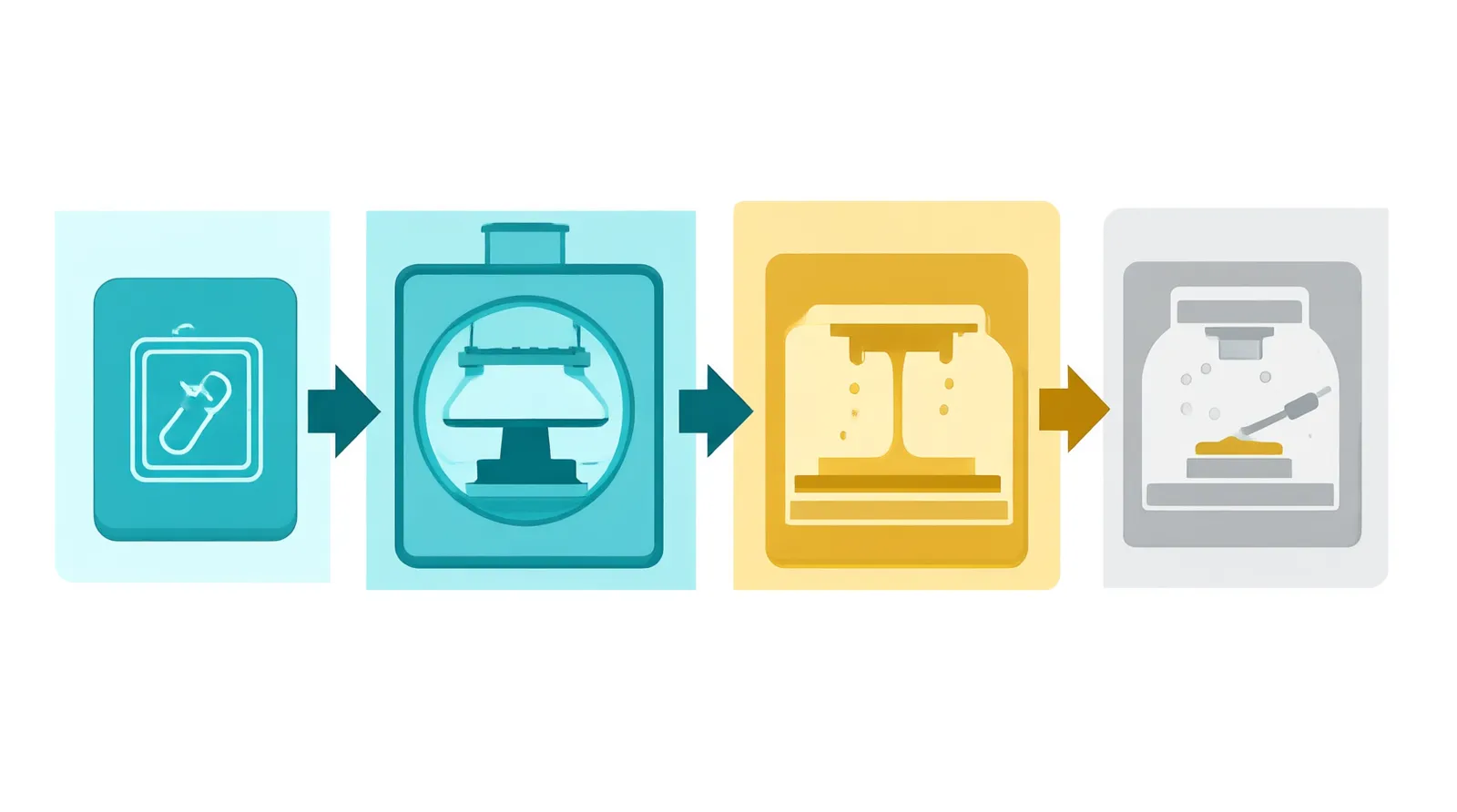
Sourcing teams often evaluate manufacturing processes to gauge quality control. Understanding how PVD gold is applied clarifies why lead times exist and why vetted craftsmanship commands a specific price point. The process follows four strict stages.
Stage 1: Substrate Preparation
Before entering the vacuum chamber, every piece of jewelry undergoes rigorous ultrasonic cleaning. Any microscopic oil, dust, or polishing compound left on the 316L stainless steel will create a weak point where the PVD coating fails to bond. Manufacturers use multi-stage aqueous washes followed by complete drying.
Stage 2: Vacuum Chamber Loading
The cleaned pieces are mounted on rotating racks inside a sealed chamber. The air is pumped out until a near-perfect vacuum is achieved. This absence of oxygen is critical; if air remains, the vaporized metals will oxidize instantly, ruining the finish.
Stage 3: Vaporization and Deposition
An electrical arc strikes a target made of pure gold or titanium nitride. The intense energy turns the solid target into a plasma cloud of atoms. Because the jewelry racks rotate slowly during this phase, the atoms settle evenly across every curve, clasp, and link. This rotation ensures uniform thickness—a vital metric for importers who cannot accept batch inconsistencies.
Stage 4: Cooling and Quality Inspection
The chamber returns to normal atmospheric pressure gradually. The pieces cool before technicians inspect them under magnification for color consistency and adhesion. Tape tests (applying and rapidly removing specialized adhesive tape) verify that the gold layer does not lift.
Why PVD Gold Matters for Jewelry Retailers and Importers
The commercial value of PVD gold centers on longevity and margin protection. When retail customers buy gold-toned jewelry, their primary complaint is tarnishing—the green or black discoloration that occurs when base metals react with sweat, perfume, or humidity. Standard electroplated brass jewelry often begins tarnishing within three to six months of daily wear.
PVD gold solves this supply chain liability. Titanium nitride, frequently used as the underlying layer in PVD gold jewelry, registers between 8 and 9 on the Mohs hardness scale. For context, solid 24k gold sits at roughly 2.5. This extreme hardness means the jewelry withstands friction from clothing, accidental knocks, and exposure to cosmetics.
For DTC brands targeting diverse climates—from the high humidity of Southeast Asia to the arid heat of MENA regions—this durability prevents regional spikes in return rates. Furthermore, cultural preferences in Middle Eastern markets heavily favor rich, warm gold tones worn daily. PVD gold allows retailers to offer the deep 18k or 22k visual warmth expected in these markets, crafted on hypoallergenic, modest-weight chains and bangles that suit everyday wear without the prohibitive cost or security risks of stocking heavy solid gold inventory.
PVD Gold vs. Electroplating vs. Solid Gold
Procurement teams must position their catalogs accurately. Misrepresenting a finish leads to customer distrust. Here is how PVD gold compares structurally and commercially to the alternatives.
| Feature | PVD Gold | Traditional Electroplating | Solid Gold (14k/18k) |
|---|---|---|---|
| Bonding Method | Atomic vacuum fusion | Chemical/electrical surface deposit | Homogenous alloy throughout |
| Durability | Highly scratch and tarnish resistant | Prone to rubbing off over months | Soft, scratches easily but doesn't flake |
| Base Metal Used | 316L Stainless Steel | Brass, Copper, Zinc | None (is solid) |
| Hypoallergenic | Yes (if 316L base) | Rarely (nickel often present) | Yes |
| Cost Profile | Mid-tier, stable pricing | Low-tier, volatile quality | High-tier, tied to spot market |
| Ideal Use Case | Daily wear, crafted DTC collections | Trend-driven seasonal drops | Heirloom, investment pieces |
Solid gold remains the benchmark for intrinsic value, but its price fluctuates daily with global commodities markets. Electroplating serves fast-turnover seasonal trends but generates high warranty claims. PVD gold occupies the strategic middle ground: offering the aesthetic and tactile experience of luxury gold with the structural resilience required for everyday collections. It allows brands to maintain consistent retail pricing without absorbing the shocks of raw gold market volatility.
When Should You Source PVD Gold Jewelry?
Knowing what is pvd gold is only half the equation; knowing when to specify it in your purchase orders dictates your inventory strategy. PVD gold is the optimal choice for specific product categories where durability intersects with design.
Everyday Essentials: Huggie hoops, minimalist chain necklaces, and stacking rings endure constant friction. Sourcing these in PVD-coated 316L stainless steel ensures they survive showers, workouts, and sleep without degrading. When evaluating stainless ring sourcing strategies specifically, prioritizing PVD-coated SKUs guarantees the highest sell-through rates for everyday wear categories.
Men’s Collections: Men's jewelry historically suffers from rapid finish loss due to thicker skin acidity and manual labor wear. PVD gold on heavier gauge stainless steel chains or signet rings provides the necessary resilience.
Warm-Climate Markets: As mentioned regarding MENA regions, if your distribution network includes areas with high heat, perspiration, or coastal salt air, traditional plating will fail rapidly. PVD coatings resist chloride and sulfur compounds far better than wet-plated alternatives.
Hypoallergenic Lines: Customers with nickel allergies react poorly to cheap brass plating. Because STRAND uses 316L surgical steel—which contains no free nickel—as the substrate beneath the PVD layer, the resulting jewelry is inherently safe for sensitive skin, expanding your addressable market.
The Tangible Benefits of PVD Gold for Your Catalog
Beyond durability, specifying PVD gold yields operational advantages for importers and retail buyers managing international logistics.
Reduced Warranty Claims and Returns
A lower return rate directly protects net margins. Because the PVD layer does not flake or turn skin green under normal conditions, customer service tickets related to "defective" finishes drop significantly. This is particularly crucial for cross-border e-commerce, where reverse logistics and return shipping costs can erase the profit margin of the original sale.
Eco-Friendly Manufacturing Profile
Traditional electroplating requires toxic chemical baths containing cyanides and heavy acids, generating hazardous wastewater. PVD is a dry, vacuum-based process. It produces virtually no toxic waste. For DTC brands building marketing narratives around responsible sourcing and environmental stewardship, PVD gold provides verifiable backing for those claims without resorting to vague marketing language.
Color Consistency Across Batches
Because the vacuum deposition process is controlled by precise digital parameters (temperature, voltage, time), the resulting gold hue is identical from the first piece to the ten-thousandth. Procurement teams ordering restocks six months later will receive items that match the original batch exactly, eliminating the visual discrepancies common with chemical plating where bath depletion alters the color mid-run.

Material Specifications and Sourcing Criteria
When reaching out to manufacturers or evaluating STRAND collections, professional buyers should anchor their inquiries in concrete specifications rather than general descriptions. Vague requests yield inconsistent inventory.
Base Metal Verification
Always confirm the substrate is 316L stainless steel. Some suppliers cut costs by applying PVD over cheaper 304 steel or brass. While PVD adheres to these metals, 304 steel lacks the same corrosion resistance in marine environments, and brass can leach through micro-fractures over time. Request mill certificates for the raw steel wire or sheet used prior to forming.
Coating Thickness and Composition
Ask specifically about the micron thickness of the PVD layer and whether it includes a genuine gold topcoat or relies solely on titanium nitride for color. A true PVD gold finish utilizes TiN as a hard base layer, capped with actual 14k or 18k gold vapor. This dual-layer approach delivers both the hardness of titanium and the authentic spectral reflectance of real gold.
MOQ and Production Lead Times
Crafted, vetted manufacturing differs fundamentally from bulk commodity production. Because each vacuum chamber run requires meticulous setup, cleaning, and testing, Minimum Order Quantities (MOQs) are structured to ensure batch integrity. Lead times encompass the raw material sourcing, CNC machining or casting of the steel, extensive ultrasonic cleaning, the vacuum cycle itself, and final hand-inspection. Always request current lead times directly from the supplier, as chamber availability and raw steel shipping schedules fluctuate.
Shipping and Logistics
Stainless steel PVD jewelry is dense. Calculate volumetric versus actual weight carefully for air freight versus sea freight decisions. Ensure packaging prevents pieces from striking each other during transit; while PVD is highly scratch-resistant, heavy impacts against other steel pieces during unsecured ocean freight can cause mechanical damage. Individual polybags or custom inserts are standard requirements for protecting the finish before it reaches your warehouse.
Caring for PVD Gold Inventory and End-User Education
While PVD gold is exceptionally resilient, educating your retail staff and end consumers maximizes the lifespan of the pieces and reinforces your brand's reputation for quality.
Advise customers that although PVD gold withstands water and sweat, prolonged submersion in chlorinated pools or harsh chemical solvents (like acetone or bleach) can eventually dull the luster. Cleaning should involve only warm water, mild dish soap, and a soft microfiber cloth. Abrasive jewelry polishing cloths designed for solid silver or gold should be avoided, as they contain micro-abrasives meant to remove tarnish—a feature unnecessary for PVD, which could inadvertently polish away the top gold layer over years of aggressive rubbing.
For your own warehousing teams, store PVD gold inventory in climate-controlled environments away from direct UV light and corrosive chemicals. Though the coating resists tarnish, the packaging materials (cardboard, glues) can off-gas sulfur compounds that might affect secondary components like clasps or springs if stored improperly for extended periods.
Final Steps for Sourcing Your Next Collection
Understanding what is pvd gold shifts your procurement strategy from chasing the lowest unit cost to investing in structural longevity and brand trust. The combination of 316L stainless steel and vacuum-deposited gold creates a product tier that satisfies the aesthetic demands of luxury buyers while meeting the rigorous durability requirements of daily wear across diverse global markets.
To expand your knowledge on specific karat applications and finishing techniques, read our article on 14k Gold PVD Jewelry: The Complete Buyer's Guide for detailed breakdowns of alloy interactions.
If you are ready to evaluate specifications, discuss current MOQ tiers, or request production timelines for your upcoming catalog, reach out directly to our team. Review the available collections, verify the material certifications, and secure your inventory. [Contact the supplier] to request current pricing, check availability for specific SKUs, and initiate your sampling process today.
Frequently Asked Questions
What is what is pvd gold?
PVD (Physical Vapor Deposition) gold is a precision coating process where a thin, highly durable layer of real gold is vapor-bonded in a vacuum chamber onto a solid base metal, typically 316L stainless steel or brass. STRAND uses PVD gold plating at 0.5–2 microns to ensure lasting color retention and tarnish resistance, offering rich 18K or 22K tones that align well with MENA market preferences for modest, enduring gold jewelry. For procurement teams, STRAND requires a standard MOQ of 100 pieces per style, operates on a 4–6 week production lead time, and ships globally via DHL Express or sea freight depending on order volume.
How to what is pvd gold?
PVD (Physical Vapor Deposition) gold is a premium coating process where real gold is vaporized and bonded to a base metal—typically 316L stainless steel or brass—at the molecular level, yielding a durable, tarnish-resistant finish. STRAND applies PVD gold in thicknesses ranging from 0.5 to 2.0 microns on precision-milled components, with MOQs starting at 100 pieces per design and standard production lead times of 25–35 days. For MENA buyers who favor rich, modest gold tones, STRAND offers vetted 18K and 24K PVD colorways shipped via insured DHL Express or consolidated sea freight.
Why is what is pvd gold important?
PVD (Physical Vapor Deposition) gold is important because it bonds a durable, hypoallergenic 18k gold-tone layer onto stainless steel or brass bases, offering superior tarnish resistance essential for humid climates and MENA markets that favor rich gold finishes. STRAND crafts these vetted PVD gold pieces with precise plating thicknesses to ensure lasting quality, available at MOQs starting from 50 units per design with standard lead times of 3–4 weeks. Finished goods ship reliably via DHL Express or air freight to meet your procurement timelines.
When should I use what is pvd gold?
PVD gold is a premium Physical Vapor Deposition coating applied over 316L stainless steel or brass, delivering a durable, tarnish-resistant finish in rich yellow-gold tones well-suited for MENA market preferences. STRAND recommends specifying PVD gold for high-wear items like rings and bracelets when your procurement team requires MOQs of 100–300 units per style, with standard production lead times of 25–35 days. Finished pieces are shipped via DHL Express or sea freight (for larger DTC store orders) to ensure the vetted, crafted quality arrives intact for your importers.
What are the benefits of what is pvd gold?
PVD (Physical Vapor Deposition) gold is a vacuum-coating process that bonds a thin layer of real gold—typically 14k or 18k tones preferred for MENA markets—to a durable base like stainless steel, offering superior resistance to tarnishing, scratching, and daily wear. For STRAND buyers, this means crafted, vetted pieces that maintain their rich gold finish over time without compromising on quality. STRAND PVD gold collections are available from an MOQ of 50 units per style with a 3–4 week lead time, shipped via DHL Express or air freight to ensure secure delivery to your store.