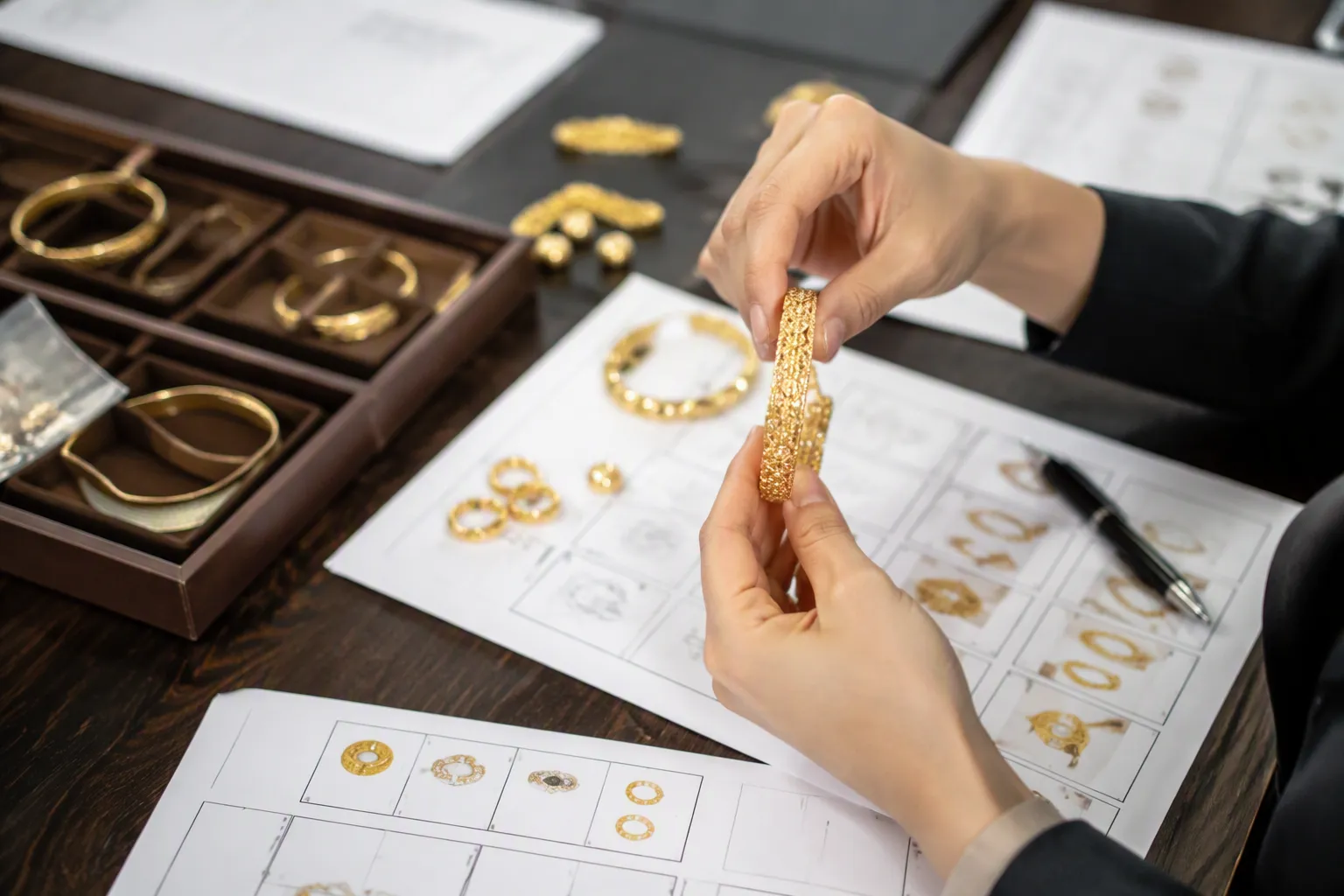
Custom Jewelry vs. Retail Alternatives: A B2B Sourcing Guide
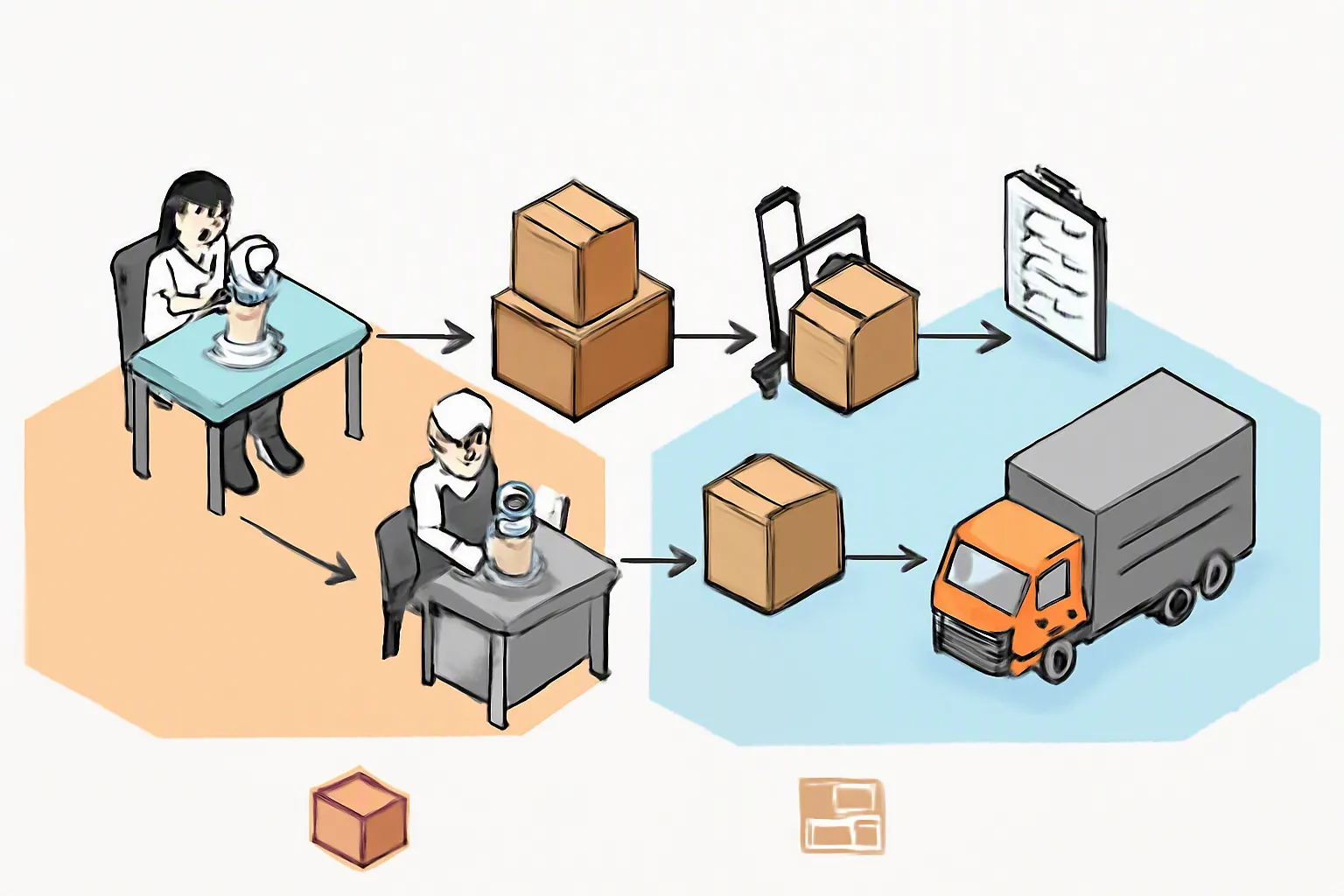
Custom Jewelry vs. Retail Alternatives: A B2B Sourcing Guide
Custom jewelry sourcing through direct OEM partners offers significantly lower unit costs than retail personalization platforms, providing full design control and brand exclusivity for buyers meeting minimum order quantities (MOQs). Retail alternatives like Jewlr or Kay Jewelers serve immediate B2C needs with no MOQ and consumer-grade warranties but lack wholesale pricing, private labeling, or scalable production capacity for commercial resale. Purchase-ready importers and DTC store owners should choose custom OEM for margin-driven inventory and retail alternatives only for market testing or one-off gifting. For a deeper analysis of these distinct sourcing paths, review our guide on custom jewelry vs. retail personalization.
TL;DR / Quick Verdict
Choose custom jewelry via direct OEM if you are a B2B buyer, importer, or DTC brand owner requiring exclusive designs, wholesale margins, and production scalability with accessible MOQs. Choose Alternatives (retail personalization platforms) only if you need single-unit consumer gifts, zero-inventory dropshipping, or immediate fulfillment without brand ownership or margin requirements.
At-a-Glance Comparison Table
| Dimension | Custom Jewelry (OEM/STRAND) | Alternatives (Retail Personalization) |
|---|---|---|
| Primary Audience | B2B Buyers, Importers, DTC Brands | Individual Consumers, Gift Shoppers |
| Pricing Model | Wholesale EXW/FOB | Retail MSRP Source |
| Minimum Order Qty | Low MOQ options available | 1 piece |
| Design Exclusivity | Full IP ownership & private label | Shared catalog, non-exclusive |
| Material Options | Gold/Rhodium-plated copper, 925 silver, glass, natural stone | Sterling silver, gold vermeil, lab gems |
| Lead Time | Production + Shipping (Air/Sea/Express) | Immediate to 7-day consumer shipping |
| Payment Terms | T/T, L/C, PayPal, Western Union | Credit Card, Consumer Financing |
| Support Language | Multilingual sales support available | English primarily |
| Quality Control | In-house inspection pre-shipment | Consumer return policy (e.g., 99-day) Source |
| Best For | Margin-driven inventory & brand building | Market testing & individual gifting |
Custom Jewelry Overview
Custom jewelry in the B2B context refers to contract manufacturing where buyers collaborate directly with factories to produce exclusive designs at wholesale scale. This model is built for procurement teams and store owners who need to differentiate their offerings from mass-market retailers like Kendra Scott or Jared. STRAND exemplifies this approach, linking vetted Hangzhou workshops directly to overseas buyers in the US, EU, UK, and MENA regions. The standout strength here is the balance of accessibility and scale: unlike traditional high-MOQ factories, STRAND offers low minimum order quantities on many catalog designs, allowing smaller boutiques to test vintage, gradient crystal, or two-tone glass bead styles without overcommitting capital.
This sourcing path prioritizes commercial viability over consumer convenience. Buyers gain access to specialized materials like rhodium-plated copper and faux pearls that mimic luxury aesthetics at accessible price points. Multilingual sales support removes communication friction common in cross-border trade. For buyers evaluating suppliers, understanding these operational nuances is critical; our guide on Custom Jewelry: 6 Sources Buyers & DTC Brands Need in 2026 breaks down how to vet these capabilities beyond surface-level claims.
Alternatives Overview
Alternatives in this comparison refer to B2C-focused personalization platforms such as Jewlr, Kay Jewelers, and Brook & York. These services target end consumers seeking sentimental value through engraving, birthstones, or name necklaces rather than commercial resale. Jewlr, for instance, lists 645 personalized products ranging from rings to earrings, with retail prices varying by collection and current promotions Source. These platforms excel at consumer trust signals, offering perks like free shipping, one-year warranties, and extended 99-day return policies that mitigate individual purchase risk Source.
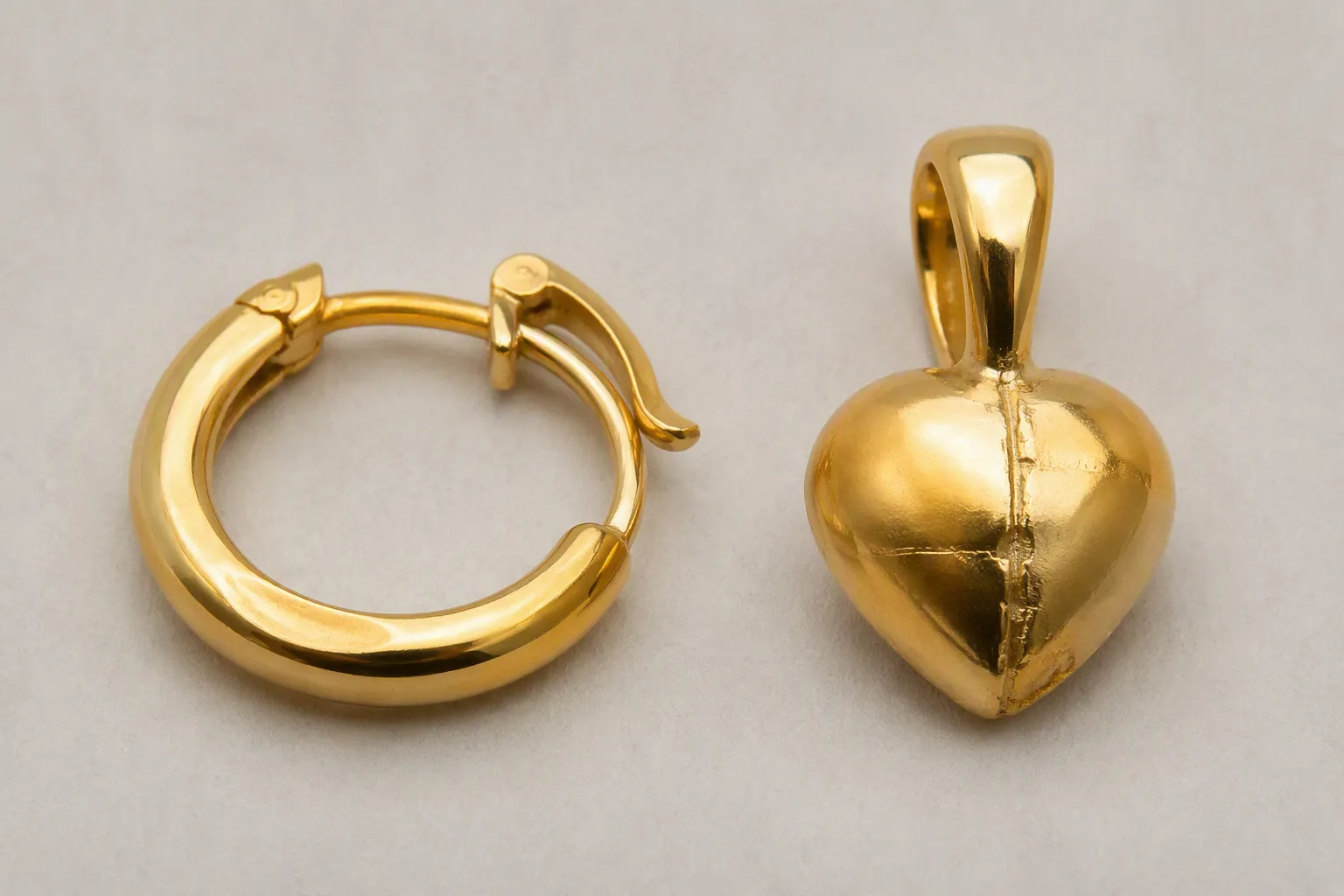
For B2B buyers, these alternatives function primarily as competitive benchmarks or emergency stop-gaps. A DTC brand might use them to validate demand for amethyst, garnet, peridot, or turquoise accents before committing to OEM production. However, they cannot support wholesale economics. Even during seasonal promotional periods where discounts may be significant Source, unit costs remain prohibitive for resale. Furthermore, designs are non-exclusive; the same "Engravable Generations Stacking Hearts Pendant" sold to your customer is available to every other shopper, eliminating brand differentiation. Understanding the strategic limitations of custom jewelry vs. retail alternatives helps buyers avoid costly sourcing missteps when scaling their operations.
Feature-by-Feature Breakdown
Pricing Structure and Margin Potential
Custom jewelry operates on wholesale B2B pricing with terms like EXW or FOB, enabling buyers to set their own retail markups. While specific OEM quotes vary by material and complexity, the cost basis allows for healthy margins even when competing against mid-tier brands. Payment flexibility supports cash flow management through options like T/T bank transfers, L/C for larger orders, and secure cross-border transaction methods.
Alternatives operate on fixed retail pricing designed for consumer psychology, not wholesale distribution. Retail listings for items like gemstone rings fluctuate based on sales events and leave no room for B2B markup Source. Even bulk purchases rarely trigger true wholesale tiers on these platforms, as their infrastructure is optimized for single-unit personalization workflows.
Design Control and Intellectual Property
Custom OEM grants full intellectual property rights. Buyers can modify existing STRAND catalog styles—such as adjusting drop earring lengths or swapping diamond simulants for natural stones—or develop entirely new SKUs. This exclusivity prevents price erosion from competitors selling identical items.
Alternatives offer configuration, not creation. Customers select from predefined templates for engraving or stone placement. Kay Jewelers’ "Create Your Own" service focuses on bridal engagement rings rather than fashion jewelry collections suitable for DTC resale Source. The resulting product belongs to the platform’s ecosystem, not your brand.
Minimum Order Quantities and Inventory Risk
STRAND’s low MOQ on many stock designs lowers the barrier to entry for custom sourcing. This allows buyers to order small batches across multiple styles—vintage, gradient crystal, rhinestone—to test market response without tying up capital in deep inventory. Select styles even permit 1-piece sampling for quality verification.
Alternatives have zero MOQ, which eliminates inventory risk entirely but also eliminates wholesale advantage. This model suits dropshippers but fails buyers building proprietary collections. The absence of batch pricing means unit economics never improve with volume.
Quality Assurance and Compliance
B2B custom sourcing includes professional QC protocols. STRAND conducts in-house inspections before every shipment, verifying plating thickness, stone setting integrity, and finish consistency against agreed specifications. This systematic approach protects buyers from receiving unsellable goods thousands of miles from the factory.
Alternatives rely on reactive consumer protection. Jewlr’s 99-day return policy and one-year warranty address individual dissatisfaction after purchase Source. While valuable for B2C trust, this does not replace pre-shipment QA for commercial buyers who cannot absorb return logistics costs or brand damage from inconsistent quality.
Scalability and Lead Time Management
Custom OEM scales with your business. Once a design is approved, reorders can be produced at consistent quality with predictable lead times. Shipping options span air freight for urgent restocks to sea freight for cost-efficient bulk replenishment. This flexibility supports seasonal planning for holiday collections or trend-driven drops.
Alternatives prioritize speed-to-consumer over production scalability. Free shipping and fast turnaround serve individual gift buyers but cannot accommodate sudden B2B demand spikes. Relying on retail platforms for inventory creates supply chain fragility during peak seasons when consumer demand competes with your restock needs.
Pros and Cons
Custom Jewelry (OEM)
Pros:
- Wholesale pricing enables significant retail markup potential
- Exclusive designs protect brand identity and prevent showrooming
- Low MOQ reduces initial capital commitment
- Multilingual support streamlines cross-border procurement
- Professional QC prevents costly returns and reputational damage
- Flexible payment terms accommodate diverse cash flow cycles
Cons:
- Requires upfront investment and production lead time
- Demands active supplier management and specification clarity
- Not suitable for single-unit consumer fulfillment
- Minimum order thresholds may exceed micro-business capacity
Alternatives (Retail Personalization)
Pros:
- Zero inventory risk and no MOQ requirements
- Immediate availability for last-minute gifting or testing
- Consumer-grade warranties and returns reduce individual purchase anxiety
- Extensive catalog variety (645+ SKUs on Jewlr) for inspiration Source
- No supplier relationship management required
Cons:
- Retail pricing eliminates wholesale margin opportunity
- Non-exclusive designs invite direct price competition
- No private labeling or brand ownership
- Limited material and customization scope beyond preset options
- Unsuitable for commercial-scale inventory planning
When to Choose Custom Jewelry
Select custom OEM sourcing when your business model depends on proprietary product differentiation and sustainable margins. This applies to DTC brands launching signature collections, brick-and-mortar boutiques seeking exclusive regional offerings, and importers supplying multiple retail accounts. If you’re evaluating vendors systematically, our ranked analysis of 6 Custom Jewelry Sources Ranked: OEM Suppliers & Retail Benchmarks for 2026 provides structured criteria for comparing production capabilities, compliance, and reliability across potential partners.
Custom sourcing also makes sense when targeting specific aesthetic niches—vintage revival, gradient crystals, two-tone glass beads—that mass-market platforms don’t serve with adequate depth. The ability to specify materials like rhodium-plated copper or natural stones ensures product-market fit without compromising cost structure.
When to Choose Alternatives
Retail personalization platforms serve narrow B2B use cases: validating consumer interest in specific motifs (birthstones, initials) before investing in OEM tooling, fulfilling corporate gift programs where budget exceeds margin concerns, or supplementing inventory during unexpected stockouts when lead time trumps cost. They also function as competitive intelligence sources; monitoring best-sellers and pricing on sites like Jewlr informs your own assortment planning.
These alternatives fail as primary sourcing channels for any business model requiring repeat purchases, brand equity, or wholesale economics. Use them tactically, not strategically.
Final Verdict
For purchase-ready B2B buyers, custom jewelry via direct OEM is the commercially rational choice for building defensible, margin-positive product lines. Accessible MOQ thresholds remove historical barriers to factory-direct sourcing, while multilingual support and professional QC de-risk cross-border procurement. Retail alternatives remain useful for validation and contingency but cannot substitute for owned supply chains.
Your next step should be concrete: request current pricing, confirm lead times for your target styles, and verify sample availability against your launch calendar. Visit STRAND to get MOQ details, request a quote, or schedule a consultation with multilingual sales staff who understand your market’s specific requirements.