
Custom Jewelry vs. Alternatives: The B2B Sourcing Comparison
Custom Jewelry vs. Alternatives: The B2B Sourcing Comparison
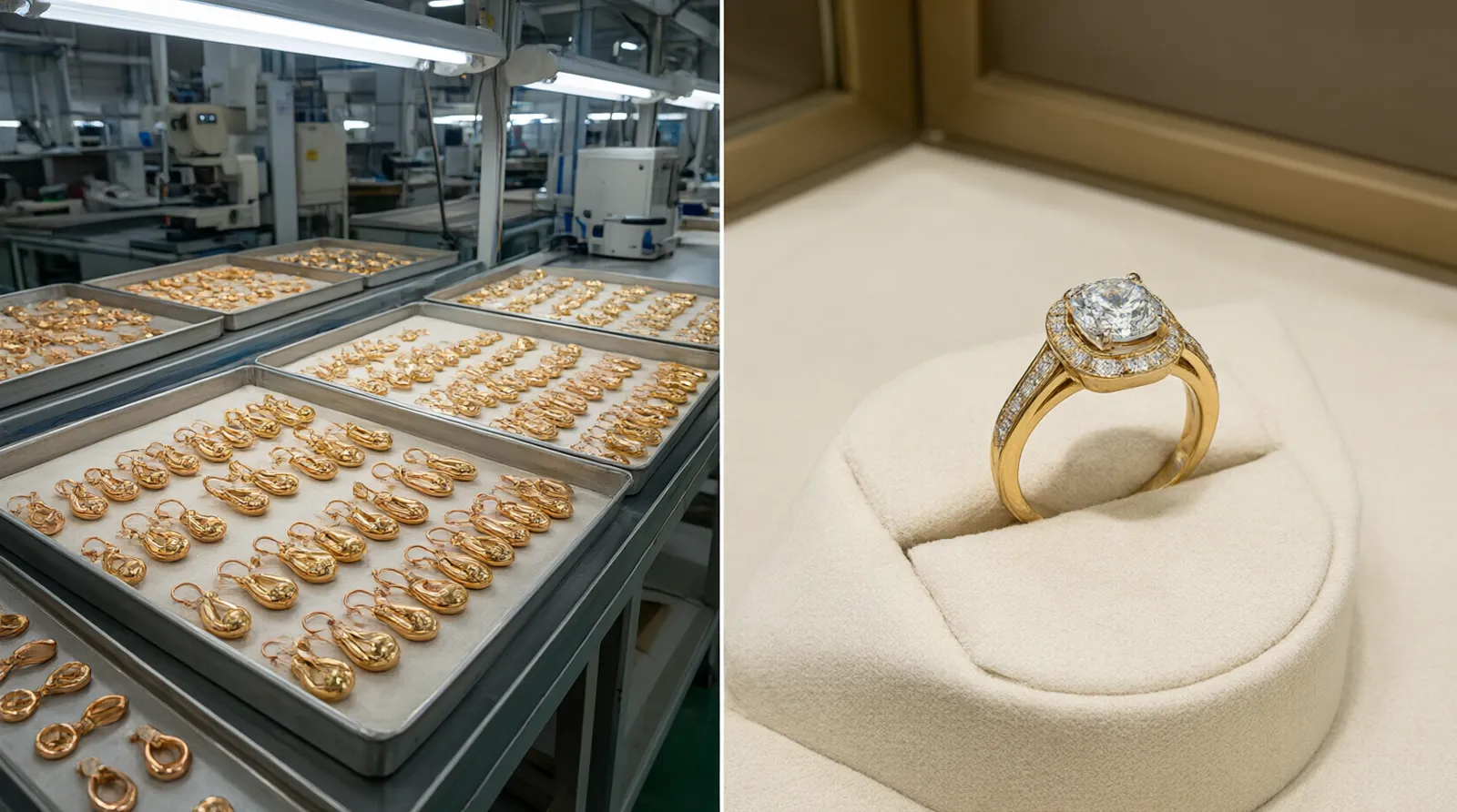
Custom jewelry refers to pieces manufactured to a buyer’s exact specifications—covering metal type, plating, stone selection, and design files—typically sourced through OEM workshops. The primary alternatives for commercial buyers include ready-made wholesale catalogs from fashion suppliers and bespoke retail jewelers who serve individual consumers rather than bulk importers. If you are a DTC store owner or importer scaling a brand across the US, EU, UK, or MENA regions, custom OEM manufacturing provides the margin control and exclusivity required for growth, while catalog alternatives offer speed to market with zero design lead time. For a broader overview of these procurement models, explore our B2B buyer's guide to understand how each channel impacts your supply chain.
TL;DR / Quick Verdict
Buyers building a proprietary brand identity or requiring specific material compositions (such as gold-plated copper or 925-style silver finishes) should source custom jewelry directly from vetted OEM manufacturers. Retail-focused buyers needing single-unit engagement rings, or importers testing new markets with immediate inventory needs, are better served by local bespoke jewelers or ready-to-ship stock catalogs. For multilingual procurement teams managing cross-border supply chains, direct OEM sourcing eliminates the markup layers inherent in domestic retail alternatives.
At-a-Glance Comparison Table
| Dimension | Custom Jewelry (OEM Sourcing) | Alternatives (Retail Bespoke & Stock Catalogs) |
|---|---|---|
| Pricing Structure | Factory-direct unit cost; scales down significantly with volume. Trade terms typically EXW or FOB. | High per-unit retail pricing (bespoke) or fixed wholesale tiers with less margin flexibility (stock). |
| Minimum Order Quantity (MOQ) | Low MOQ available. Many OEM workshops offer tiered minimums, with select styles available at very low piece counts. | Retail bespoke: 1 piece. Stock wholesale: Varies, often higher minimum spend requirements. |
| Core Features & Materials | Gold-plated/rhodium-plated copper, glass beads, natural stone, faux pearls. Styles include vintage, gradient crystal, two-tone. | Retail: Solid gold, platinum, tungsten, cobalt, loose diamonds. Stock: Pre-selected seasonal designs. |
| Integrations & Logistics | Shipping via air, sea, or express. Payments typically accepted via T/T bank transfer, Western Union, PayPal, or L/C. | Retail: In-store pickup or domestic shipping. Payment via consumer credit/retail financing. |
| Support & Communication | Multilingual sales teams handling cross-border procurement for international buyers. | Retail: Localized, single-language consultations. Stock: Standard wholesale account reps. |
| Scale & Production | Built for commercial volume. In-house QC inspection before every shipment ensures consistency across batches. | Retail: Cannot scale past artisan capacity. Stock: Limited to existing inventory runs. |
Custom Jewelry Overview
Custom jewelry in a B2B context means contracting an OEM manufacturer to produce fashion or fine jewelry based on your technical drawings, material requirements, or modifications to existing factory molds. This model is built for importers, DTC brand owners, and wholesale buyers who need to control their cost of goods sold (COGS) while offering exclusive products that cannot be found in competing stores.
Many OEM manufacturers link vetted workshops directly to overseas buyers, focusing on product lines like drop earrings, stud earrings, and necklace-and-earring sets. The standout strength here is the combination of low barriers to entry and high customization potential. Buyers can access existing stock catalogs featuring vintage, gradient crystal, two-tone glass bead, and rhinestone designs, or pivot entirely into custom production using materials like natural stone, faux pearls, and varied plating options. Because many established suppliers support multiple languages, multilingual procurement teams in the MENA region or Europe can negotiate specs without translation bottlenecks. For buyers evaluating how this compares against other global sourcing channels, our breakdown of 6 Custom Jewelry Sources Ranked: OEM Suppliers & Retail Benchmarks for 2026 details where direct workshop models fit into broader supply chain strategies.
Alternatives Overview
The "alternatives" to direct OEM custom jewelry fall into two distinct categories: domestic retail bespoke jewelers and ready-made wholesale stock catalogs. Understanding how these retail alternatives compare to direct manufacturing is essential for optimizing your procurement strategy.
Domestic retail bespoke jewelers cater primarily to individual consumers seeking one-off luxury items, such as engagement rings. For example, Bulow Jewelers, located at 910 16th Street, Suite 1223, Denver, Colorado 80202, describes itself as Denver's premier custom jewelry destination. Their expert designers work closely with customers to craft custom engagement and wedding rings, allowing clients to build a ring from scratch by specifying the exact color, clarity, cut, carat weight, and cost (Source: bulowjewelers.com). They also offer engraving services and allow customers to use their own diamonds when creating a custom ring (Source: bulowjewelers.com). While excellent for a consumer buying a single piece, this model lacks the unit economics required for a DTC store stocking hundreds of SKUs.
Ready-made wholesale catalogs represent the second alternative. These are pre-manufactured designs sold by distributors or brands similar to Kendra Scott or mass-market retailers like Jared. Buyers purchase existing designs in bulk. The advantage is zero design lead time; the inventory exists and ships immediately. The disadvantage is a total lack of exclusivity. Your competitors can buy the exact same amethyst drop earrings or turquoise pendant from the same distributor, eroding brand differentiation.
Feature-by-Feature Breakdown
Pricing and Trade Terms
Custom OEM jewelry operates on factory-direct pricing. When you bypass domestic middlemen, the per-unit cost drops substantially, which is the primary reason DTC brands source internationally. Manufacturers generally offer clear trade terms, specifically EXW (Ex Works) or FOB (Free on Board), giving buyers control over their freight forwarding costs. Payment structures are built for international trade, commonly accepting T/T bank transfers, Western Union, PayPal, and L/C (Letters of Credit).
Alternatives handle pricing very differently. Retail bespoke jewelers charge premium labor and overhead rates. A custom gold or tungsten wedding band crafted at a physical storefront includes the cost of that real estate and localized artisan labor. Wholesale stock catalogs offer tiered pricing, but because the designs are not exclusive, margins are compressed by market competition. You are paying for convenience rather than optimized COGS.
Core Materials and Product Range
If your target market demands fashion-forward aesthetics—gradient crystals, two-tone glass beads, rhinestones, or faux pearls set in gold-plated or rhodium-plated copper—custom OEM is purpose-built for this. Capabilities often extend to 925-style silver finishes and natural stones. You dictate the material composition. If you want a peridot stud earring backed by a specific gauge of copper with a micron-thick rhodium plate, the factory executes that spec.
Retail alternatives focus heavily on traditional fine jewelry materials. As noted by Bulow Jewelers, they can make almost any type of wedding band from nearly any metal, including gold, tungsten, and cobalt (Source: bulowjewelers.com). This is ideal for bridal fine jewelry but misaligned for a fashion brand launching a seasonal line of garnet drop earrings. Mass-market alternatives (like those found in big-box stores) often rely on standardized alloy mixes that limit a brand's ability to market specific material qualities.
Minimum Order Quantities (MOQ) and Scalability
MOQ is the most critical friction point for growing DTC brands. Custom jewelry sourced through OEM workshops addresses this directly: many suppliers offer low piece-count minimums on most stock designs, with select styles available at even lower quantities. This allows a buyer to test a new turquoise or amethyst colorway without committing to thousands of units in upfront capital. Once a style proves profitable, scaling up production simply requires issuing a larger purchase order to the same workshop.
Retail bespoke alternatives have an MOQ of one, but the price per unit makes scaling commercially unviable. You cannot stock a Shopify store with rings hand-forged one by one in a Denver mall. Ready-made wholesale alternatives often enforce strict MOQs tied to dollar amounts rather than piece counts, forcing buyers to over-purchase slow-moving SKUs to unlock pricing tiers on best-sellers.
Quality Assurance and Compliance
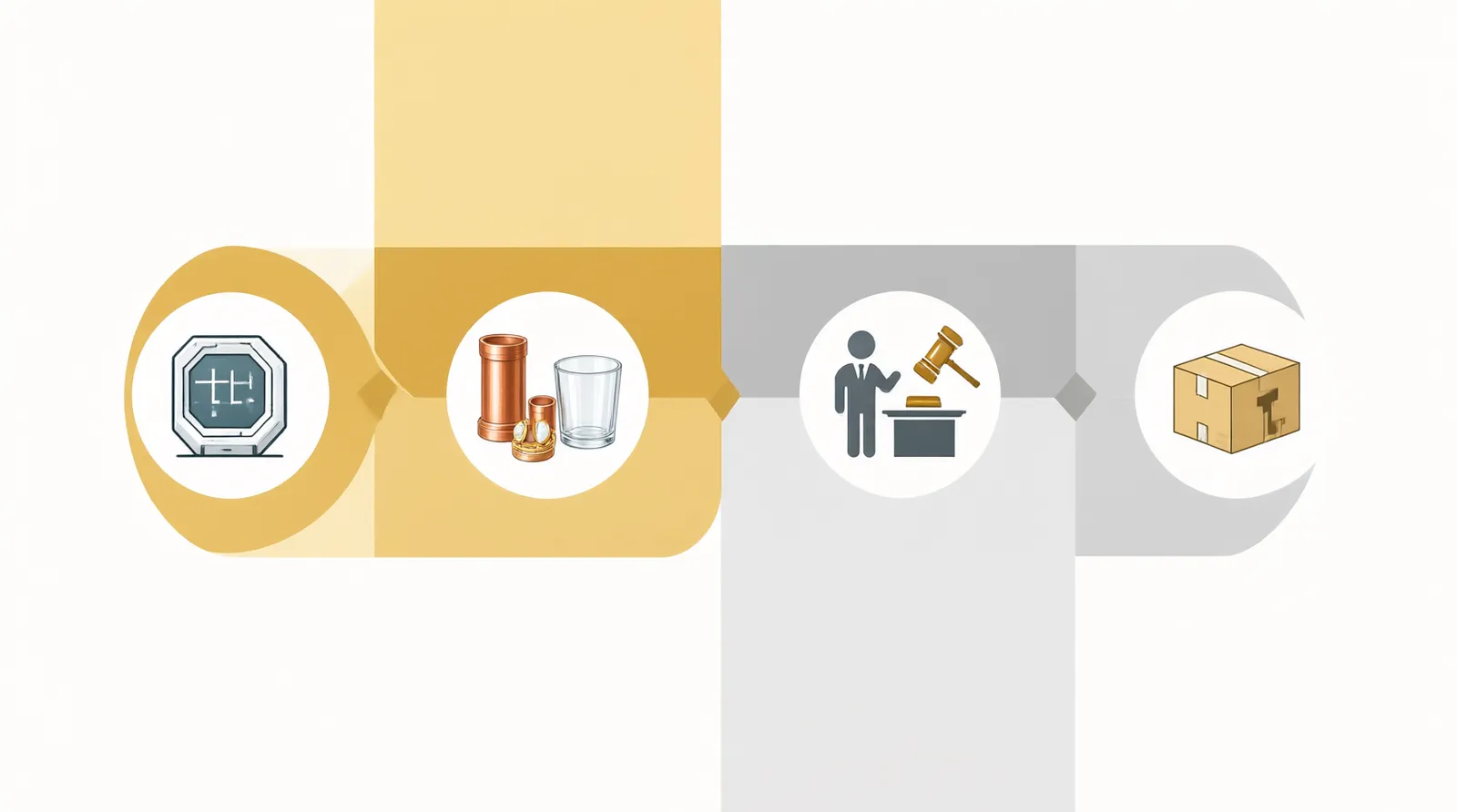
Cross-border sourcing requires rigorous quality control. Reputable custom jewelry manufacturers implement in-house QC inspections before every shipment leaves the factory floor. This ensures that the plating thickness, stone setting security, and clasp tension match the approved prototype. For buyers importing into the EU or UK, ensuring compliance with REACH regulations (e.g., nickel-free and lead-free requirements) is handled at the manufacturing level by specifying compliant base metals and plating baths.
Retail alternatives handle quality through direct, in-person inspection. A customer sitting at a jeweler's bench examines the diamond under a loupe before purchasing. For wholesale stock alternatives, quality assurance is often a gamble unless the distributor has a verified return policy, which rarely covers subjective aesthetic complaints after the goods have been received.
Support and Cross-Border Logistics
Procurement teams operating across multiple time zones and languages face communication barriers. Custom jewelry suppliers targeting international B2B buyers mitigate this with dedicated multilingual support, which is particularly relevant for buyers in the MENA region or European markets. Logistics are flexible, routed by air, sea, or express courier depending on the urgency and volume of the order.
Domestic retail alternatives offer localized support. Consultations for custom jewelry at Bulow Jewelers, for instance, can be scheduled directly at their store on the 16th St. Mall in downtown Denver, CO (Source: bulowjewelers.com). This high-touch service is valuable for a consumer, but irrelevant for an importer in London or Dubai trying to coordinate a 5,000-unit shipment.
Pros and Cons
Custom Jewelry (OEM Sourcing)
Pros:
- Factory-direct pricing maximizes profit margins for DTC and retail resale.
- Total control over design, materials, and plating (e.g., gold-plated vs. rhodium-plated copper).
- Accessible MOQs reduce inventory risk, allowing buyers to test styles before committing to large volumes.
- Multilingual support streamlines procurement for international teams.
- Flexible trade terms (EXW, FOB) and standard international payment methods (T/T, L/C, PayPal).
- Guaranteed exclusivity; competitors cannot buy your proprietary designs.
Cons:
- Requires upfront lead time for sampling, prototyping, and production.
- Demands clear technical specifications (CAD files, Pantone colors, material grades) from the buyer.
- International shipping logistics and customs clearance must be managed or coordinated.
Alternatives (Retail Bespoke & Stock Wholesale)
Pros:
- Retail bespoke offers immediate, hands-on consultation and inspection (e.g., scheduling an in-person appointment in Denver).
- Zero design effort required for ready-made wholesale stock.
- Immediate availability for one-off purchases or urgent restocking.
- Domestic retail purchases eliminate cross-border shipping and import duties.
Cons:
- Prohibitive per-unit costs for commercial scaling.
- Lack of design exclusivity when buying ready-made wholesale catalogs.
- Material limitations; retail jewelers focus on fine metals (tungsten, cobalt, solid gold) rather than fashion materials like glass beads or faux pearls.
- No infrastructure for bulk B2B export logistics or multilingual procurement support.
When to Choose Custom Jewelry
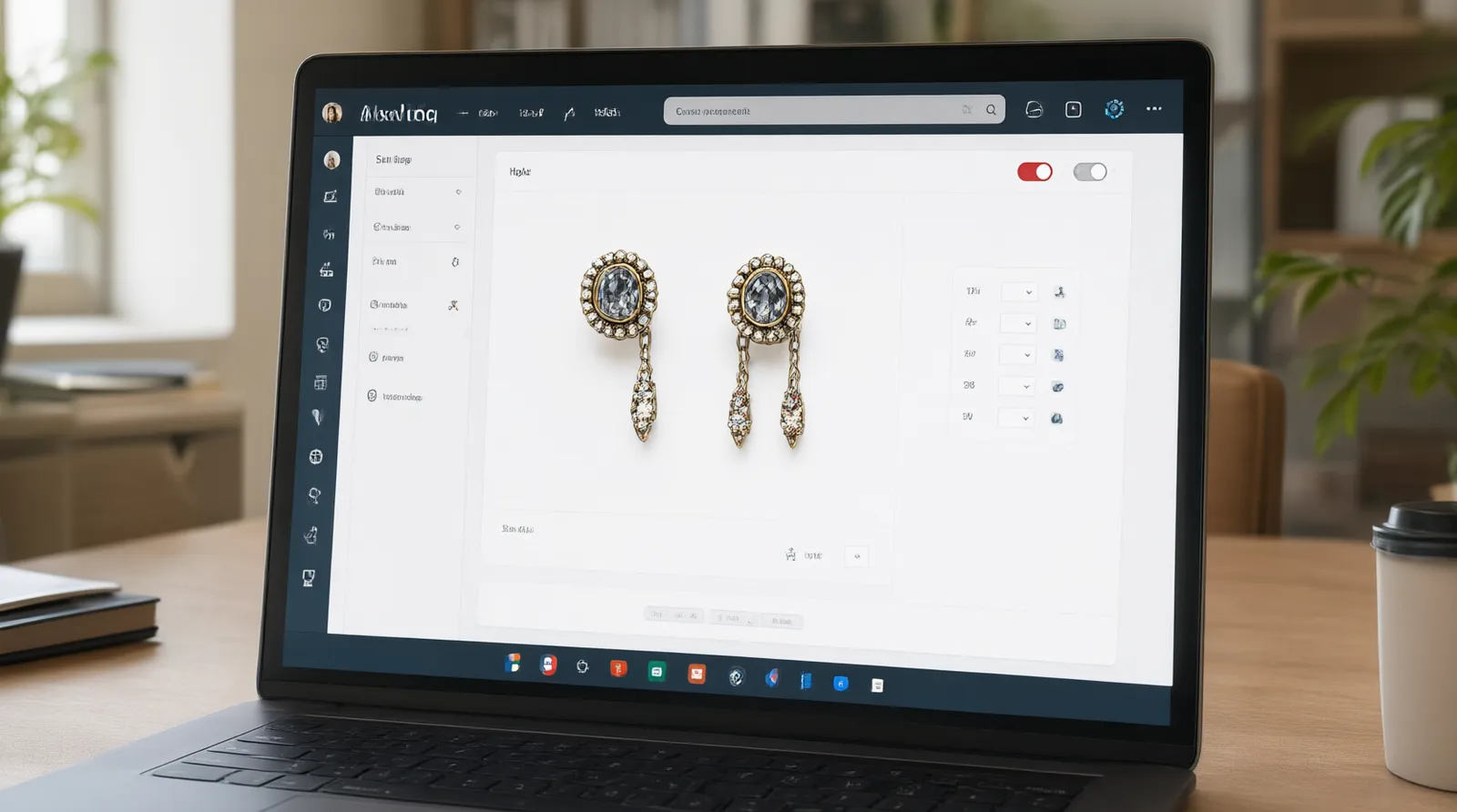
Choose custom OEM jewelry if you are a DTC brand owner, boutique importer, or wholesale distributor looking to build a proprietary product line. If your business model relies on selling curated collections—such as matching necklace and earring sets featuring gradient crystals or vintage-inspired faux pearls—you need a manufacturing partner, not a retail jeweler.
This route is also mandatory if your procurement team operates internationally. Buyers in the US, EU, UK, or MENA regions sourcing from China require the logistical framework (FOB/EXW terms, sea/air freight) and multilingual communication that direct OEM suppliers provide. If you are currently evaluating different manufacturing partners for your next quarter's inventory, reviewing our guide on Custom Jewelry: 6 Sources Buyers & DTC Brands Need in 2026 will help you benchmark supplier capabilities against your specific SKU requirements.
When to Choose Alternatives
Choose retail bespoke alternatives if you are an individual consumer purchasing a single luxury item, such as a diamond engagement ring or a custom-engraved wedding band. If you need to specify the exact cut, clarity, and carat weight of a stone while inspecting it physically before purchase, a local jeweler is the correct channel.
Choose ready-made wholesale stock alternatives only if you are a general retailer prioritizing immediate shelf-stocking over brand differentiation, and you do not require custom branding, specific plating variations, or exclusive design rights. If you are opening a multi-brand accessory shop and simply need generic inventory fast, off-the-shelf catalogs fulfill that narrow requirement.
Final Verdict
For commercial buyers, importers, and DTC store owners, custom jewelry sourced directly from OEM manufacturers is the only viable path to sustainable margins and brand exclusivity. Retail bespoke jewelers solve a consumer problem, not a supply chain problem. Ready-made wholesale solves a speed problem, but introduces a commoditization problem. By utilizing direct manufacturing partnerships that offer verifiable low MOQs, flexible trade terms, and in-house QC, buyers retain control over both their product quality and their bottom line.
To evaluate whether direct OEM sourcing fits your current catalog strategy, request a sample or get current MOQ and pricing details directly from suppliers at https://strandjewelry.com. Specify your target materials (e.g., gold-plated copper, natural stone) and required delivery timelines in your initial inquiry to accelerate the quoting process.