
Custom Jewelry vs. Alternatives: The B2B Sourcing Guide
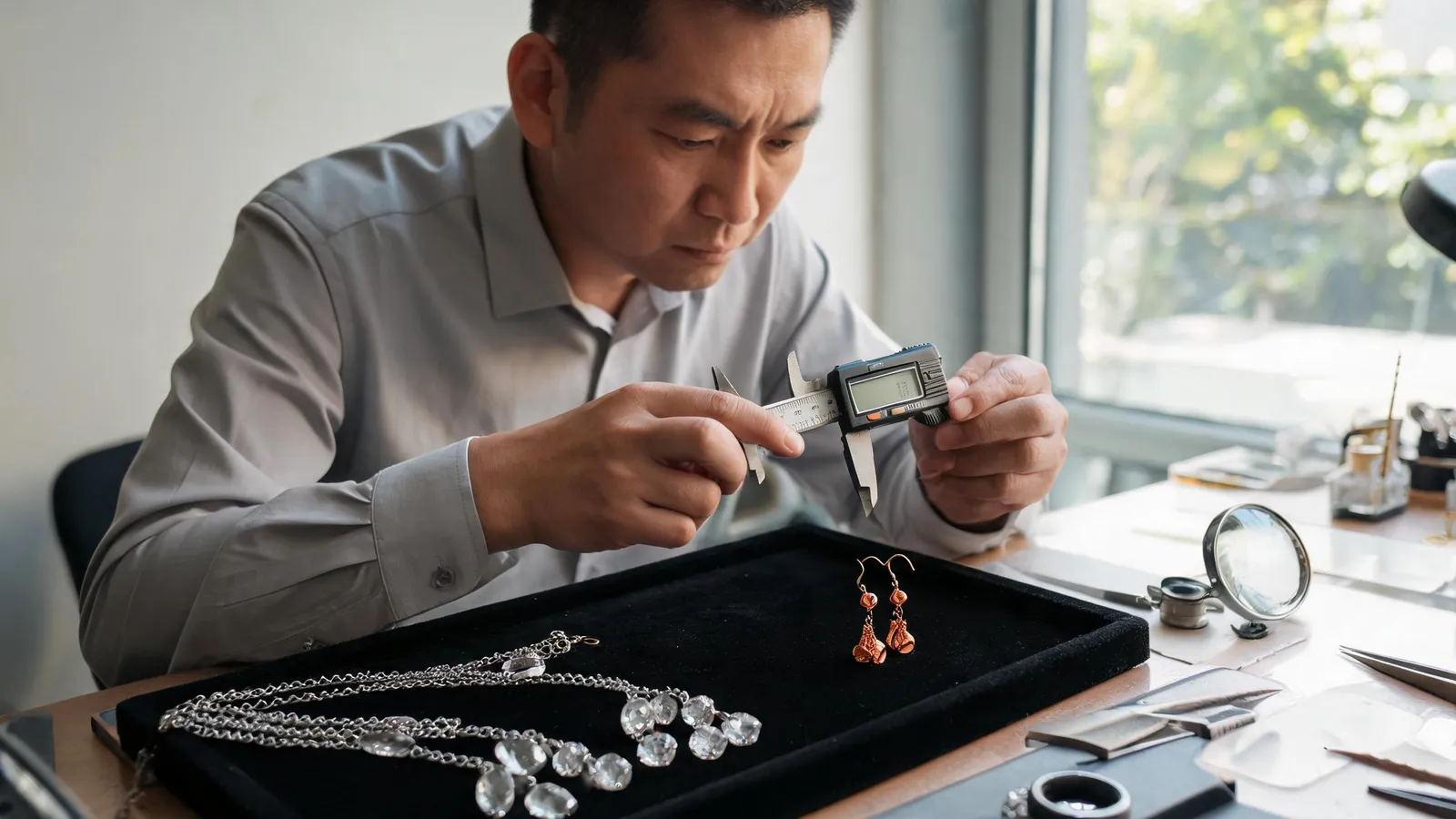
Custom Jewelry vs. Alternatives: The B2B Sourcing Guide
Custom jewelry sourcing through direct OEM manufacturers gives DTC brands and importers control over design, materials, and unit economics at scale, while alternatives—retail bench jewelers, wholesale marketplaces, and branded distributors—offer speed or zero-MOQ entry at the cost of exclusivity and margin. If you are a buyer in the US, EU, UK, or MENA region building a proprietary line of drop earrings, stud earrings, or necklace sets, direct custom manufacturing is the only path that protects your IP and pricing structure. If you need 5 pieces of generic stock by Friday, alternatives will serve you better. For a broader overview of how these channels stack up, see our B2B sourcing comparison.
TL;DR / Quick Verdict
Buyers running a DTC brand, importing for regional distribution, or managing procurement for retail chains should choose custom jewelry manufactured directly through vetted workshops (like STRAND’s Hangzhou-based operations) to secure exclusive designs, controlled MOQs starting at 12 pcs/style, and specific material finishes like gold-plated or rhodium-plated copper. Choose alternatives—such as retail bench jewelers, wholesale directories, or branded distributors—if you are testing a single SKU with one piece, require immediate off-the-shelf fulfillment without sampling lead times, or are sourcing a one-off luxury gift rather than commercial inventory.
At-a-Glance Comparison Table
| Dimension | Custom Jewelry (Direct OEM e.g., STRAND) | Alternatives (Retail Jewelers, Wholesale Marketplaces, Branded Distributors) |
|---|---|---|
| Pricing Model | Factory-direct (EXW or FOB terms); scales down per unit at higher volumes. | Retail markup or marketplace middleman fees; fixed per-unit costs. |
| MOQ | 12 pcs/style on most stock designs (109 of 114 catalog styles); select styles from 1 pc. Custom OEM requires agreed batch sizes. | 1 pc (retail), mixed bulk lots (marketplaces), or high tiered minimums (distributors). |
| Design Control | Full CAD/tech pack customization; exclusive molds. | Limited to existing catalog; no IP protection. |
| Materials & Finishes | Gold-plated/rhodium-plated copper, 925-style silver finishes, glass beads, natural stone, faux pearls. | Varies wildly; often restricted to standard alloys or fine metals (diamond, solid gold) at premium prices. |
| Shipping & Logistics | Air, sea, or express freight arranged by supplier. | Standard parcel post (retail) or pallet freight (wholesale). |
| Payment Terms | T/T bank transfer, Western Union, PayPal, L/C, Xtransfer. | Credit card, PayPal, Net-30 (for established wholesale accounts). |
| Quality Assurance | In-house QC inspection before every shipment. | Relies on platform dispute resolution or local store return policies. |
| Support | Multilingual sales teams (EN, FR, AR, ES, DE, RU). | English-dominant support; time-zone dependent. |
Custom Jewelry Overview
Custom jewelry in a B2B context refers to the direct commissioning of fashion and semi-fine pieces from specialized manufacturers, bypassing domestic middlemen. This model is built for importers, DTC store owners, and multilingual procurement teams who need to source chains, earrings, and matching sets from Chinese workshops for sale in Western or Middle Eastern markets.
The standout strength of this approach is the balance between low barrier-to-entry and high design fidelity. For example, STRAND operates out of Hangzhou, linking vetted workshops directly to overseas buyers. Their 114-style stock catalog allows buyers to order 109 of those styles at an MOQ of just 12 pcs/style, bridging the gap between mass production and boutique testing. When a brand needs to move beyond stock, custom OEM services allow for specific material requests—vintage gradient crystal drop earrings, two-tone glass bead studs, or rhinestone necklace sets plated in gold or rhodium over copper bases. Buyers evaluating this route should look closely at trade terms (EXW vs. FOB), payment flexibility (T/T, L/C, Xtransfer), and whether the supplier provides documented pre-shipment QC. For a deeper breakdown of how to evaluate these suppliers, see our guide on Custom Jewelry: 6 Sources Buyers & DTC Brands Need in 2026.
Alternatives Overview
Alternatives to direct custom manufacturing encompass three main categories: retail bench jewelers (e.g., stores like Jared, Kendra Scott, or independent luxury boutiques), B2B wholesale marketplaces (Alibaba, Faire, Tundra), and branded distributors. These channels are built for consumers buying gifts, small pop-up shops needing instant inventory, or enterprise buyers purchasing standardized corporate merchandise. Understanding how these retail alternatives compare to direct manufacturing helps clarify which channel aligns with your procurement goals.
Retail stores like Jared or Kendra Scott offer immediate gratification and localized customer service, but their pricing includes heavy retail markups designed for single-unit consumer purchases, making them unviable for commercial resale margins. Wholesale marketplaces solve the volume issue but introduce quality variance; a search for "amethyst earrings" might yield 50 different factories with unverified plating thicknesses and inconsistent stone grading. Branded distributors offer reliability but restrict you to their existing seasonal lines. If your goal is to sell a unique turquoise and garnet stud earring under your own label, alternatives force you to compete with every other store buying the exact same open-market design.
Feature-by-Feature Breakdown
Pricing and Trade Terms
Direct custom jewelry manufacturers operate on wholesale trade terms. Suppliers like STRAND offer EXW (Ex Works) or FOB (Free on Board) pricing, meaning the buyer controls the freight forwarding and insurance, keeping the base unit cost tied strictly to materials and labor. Payment infrastructure is built for international trade: T/T bank transfers, Letters of Credit (L/C) for large orders, Western Union, PayPal, and platforms like Xtransfer.
Alternatives price differently. Retail stores charge MSRP. Even if a buyer negotiates a "wholesale" discount at a local jeweler, it rarely matches factory-direct pricing. Marketplaces often list artificially low per-unit prices that inflate once shipping, customs duties, and platform transaction fees (often 3-15%) are applied. For commercial buyers, the lack of formalized trade terms (like L/C) on marketplaces increases financial risk on orders exceeding $5,000.
Design Exclusivity and Material Specifications
When you commission custom jewelry, you dictate the metallurgy and gemology. A DTC brand can specify gold-plated or rhodium-plated copper bases, request 925-style silver finishes, and select exact materials like natural stone, faux pearls, or two-tone glass beads. You can design a signature peridot pendant or a diamond-accented rhinestone chain that no competitor possesses. The manufacturer creates proprietary molds.
Alternatives limit you to what exists. If you source from a distributor like Kendra Scott's wholesale arm, you are bound by their seasonal color palettes and alloy choices. Marketplaces offer millions of SKUs, but they are largely open-mold designs. If you find a beautiful garnet drop earring on a wholesale site, dozens of other sellers have access to the identical product. Retail bench jewelers can do custom work, but typically focus on fine jewelry (solid gold, real diamonds) at price points unsuitable for fashion jewelry retail.
Minimum Order Quantities (MOQ)
MOQ is where many buyers assume alternatives win, but direct manufacturers have adapted. While traditional Chinese factories demanded 500+ pieces per style, modern cross-border specialists offer highly accessible tiers. STRAND, for instance, maintains an MOQ of 12 pcs/style on 109 of its 114 catalog designs, with select styles available from just 1 pc. This allows buyers to test market response to a vintage crystal earring before committing to a 1,000-piece production run.
Retail alternatives naturally have an MOQ of 1. Wholesale marketplaces vary; some sellers offer mixed lots of 50 pieces across random styles, which creates inventory management issues for curated DTC stores. True custom OEM work through alternatives (like hiring a local US or EU silversmith) usually carries MOQs based on dollar value rather than unit count, often requiring minimum spends of $2,500–$5,000 just to set up the project.
Quality Assurance and Compliance
Cross-border custom jewelry suppliers targeting the US, EU, UK, and MENA regions must navigate strict compliance frameworks (e.g., REACH in Europe, CPSIA in the US regarding lead and cadmium content). Reputable direct manufacturers build this into their workflow. STRAND conducts in-house QC inspections before every shipment leaves the facility, ensuring plating adhesion, stone setting security, and material compliance match the approved tech pack.
Alternatives shift the QA burden onto the buyer. When purchasing from a generic marketplace supplier, you are relying on the platform's dispute system after defective goods arrive. Retail stores guarantee their products, but only for end-consumers, not for businesses reselling their items. Importers using alternatives frequently face customs holds if the jewelry lacks proper material certifications. To understand how top-tier suppliers stack up against retail benchmarks in QA, review our ranking of 6 Custom Jewelry Sources Ranked: OEM Suppliers & Retail Benchmarks for 2026.
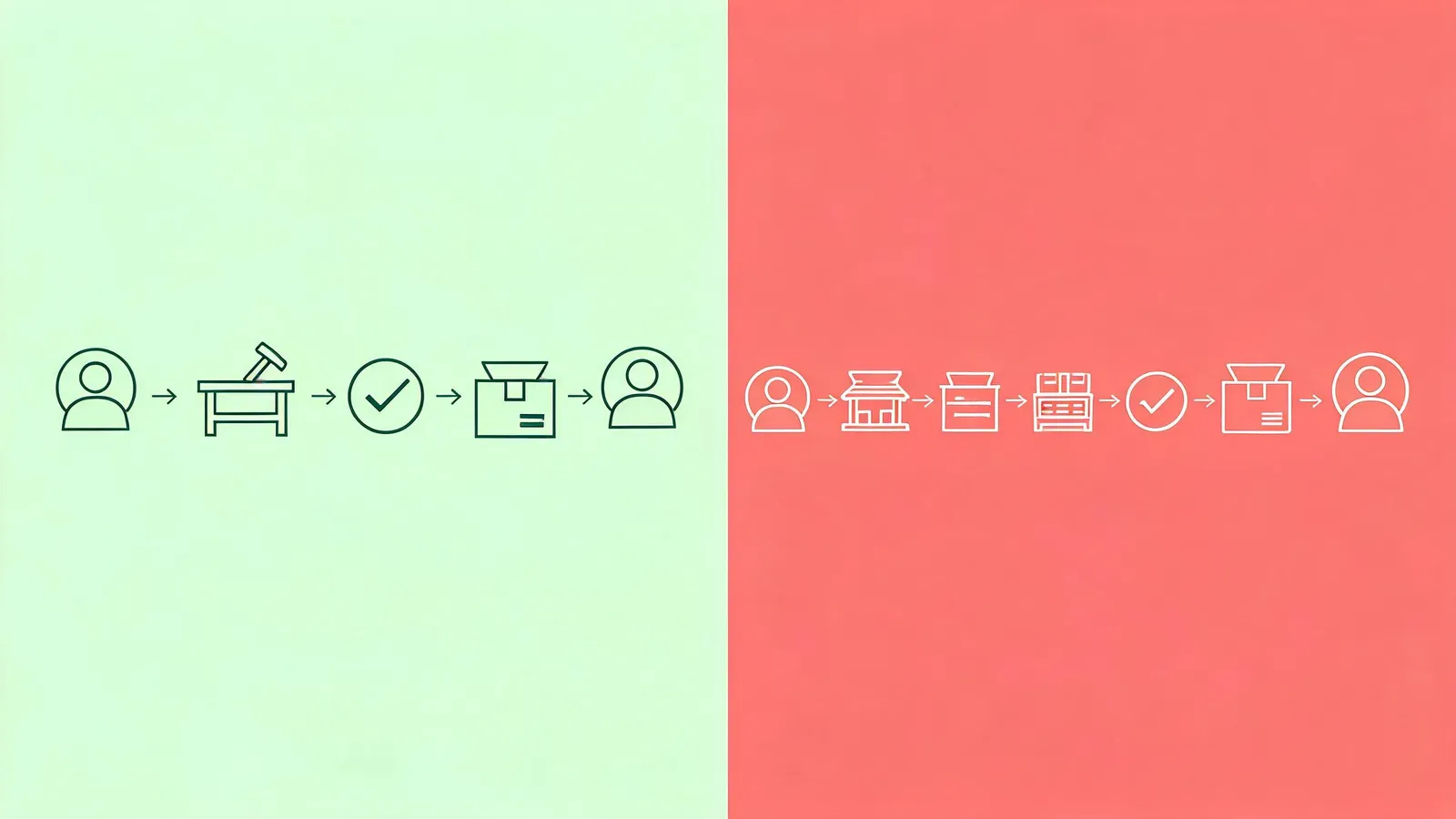
Logistics and Lead Times
Direct custom manufacturing requires planning. Production lead times depend on the complexity of the mold and the quantity ordered. Once produced, buyers choose their logistics: air freight for urgent restocks, sea freight for high-volume cost savings, or express couriers for sample batches. The buyer or their freight forwarder manages the transit.
Alternatives offer different speed profiles. Buying from a local store like Jared means walking out with the product the same day. Ordering from a domestic wholesale marketplace might take 3-7 days via ground shipping. However, international importers relying on overseas marketplace sellers often face unpredictable consolidation delays, as marketplace sellers may wait to fill a container before shipping, stripping the buyer of logistical control.
Communication and Support
Sourcing internationally introduces language and time-zone friction. Direct manufacturers solving for cross-border trade invest heavily here. STRAND provides multilingual sales support in English, French, Arabic, Spanish, German, and Russian, allowing procurement teams in the MENA region or the EU to negotiate specs and resolve issues without translation bottlenecks.
Alternatives are hit-or-miss. Retail stores communicate fluently in the local language but lack B2B export expertise. Marketplace sellers often rely on automated translation tools that struggle with technical jewelry terminology (e.g., confusing "rhodium flash plating" with "solid rhodium"). Miscommunications on stone cuts or plating microns due to language barriers result in costly production errors.
Pros and Cons
Custom Jewelry (Direct OEM)
Pros:
- Complete IP protection and design exclusivity.
- Factory-direct pricing (EXW/FOB) maximizing retail margins.
- Precise material control (gold/rhodium-plated copper, natural stones, faux pearls).
- Structured B2B payment terms (L/C, T/T, Xtransfer).
- Dedicated multilingual account management (EN, FR, AR, ES, DE, RU).
- Pre-shipment QC inspections included.
Cons:
- Requires upfront sampling and production lead times.
- Buyer must manage or arrange international freight forwarding.
- Requires clear technical specifications (tech packs) to avoid errors.
Alternatives (Retail, Marketplaces, Distributors)
Pros:
- Immediate availability (zero production lead time for stock).
- No technical design knowledge required.
- Simple purchasing mechanics (credit card, add-to-cart).
- Local return policies (for retail purchases).
Cons:
- Zero design exclusivity; competitors sell the same items.
- High per-unit costs destroying wholesale margins.
- Inconsistent quality control across marketplace sellers.
- Lack of formal trade compliance documentation for importers.
- Language barriers with overseas marketplace vendors.
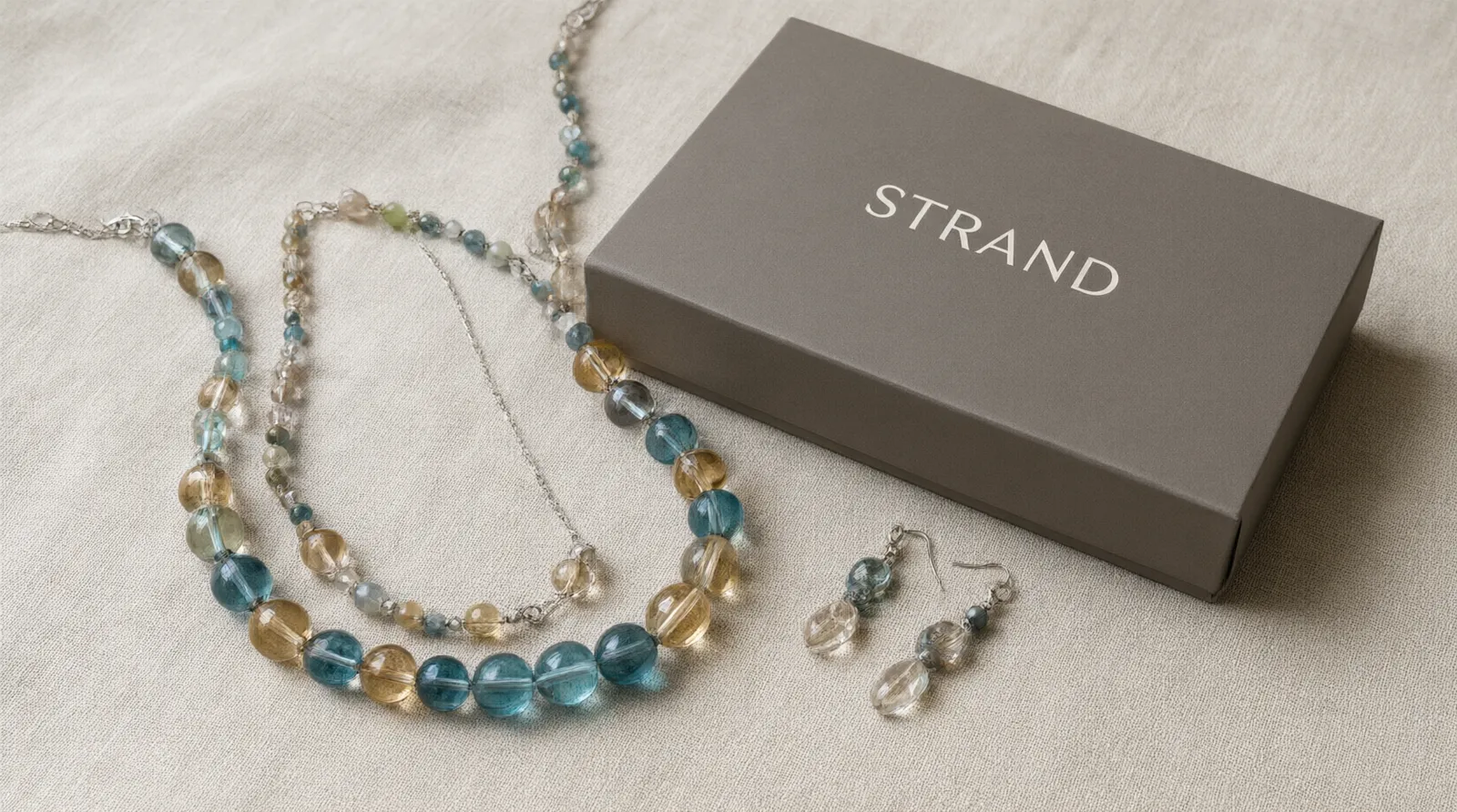
When to Choose Custom Jewelry
Choose direct custom jewelry manufacturing if you are a DTC brand owner launching a new collection of drop earrings or stud earrings and need to ensure no other Shopify store is selling your exact designs. It is the required path for importers supplying physical retail chains in the US, EU, UK, or MENA who must provide compliance documentation (like nickel-free or lead-free certifications) to their retail partners.
This route also fits procurement teams operating with multilingual requirements. If your buying office speaks Arabic and your target market is the UAE, working with a supplier offering native AR sales support prevents costly specification errors on complex items like vintage gradient crystal sets. Finally, choose custom OEM when your business model relies on specific material engineering—such as requiring 925-style silver finishes on a copper base to hit a specific retail price point that solid sterling silver would make impossible.
When to Choose Alternatives
Choose alternatives if you are a boutique owner doing a micro-test of a new aesthetic and literally only need 2 to 5 pieces to photograph for social media validation before committing to a larger order. Retail stores or single-piece marketplace buys serve this narrow purpose.
Alternatives also make sense for corporate gifting or event planners who need 50 identical, generic rhinestone necklaces by tomorrow and have no interest in building a long-term brand identity around the jewelry. If you are a consumer looking for a one-off luxury item—a solitaire diamond ring or a high-end amethyst pendant—retail bench jewelers provide the in-person fitting, appraisal, and immediate warranty registration that B2B OEM factories are not structured to handle for individual end-users.
Final Verdict
For purchase-ready B2B buyers, importers, and DTC store owners, custom jewelry sourced directly from specialized OEM manufacturers is the structurally superior choice for building a profitable, defensible brand. Alternatives serve as temporary stopgaps for micro-testing or immediate consumer needs, but they fail on the metrics that matter for commercial scale: margin, exclusivity, and compliance.
The deciding factor is your growth trajectory. If you plan to reorder inventory, expand into new regional markets, or protect your designs from copycats, paying retail prices or gambling on unvetted marketplace sellers is a compounding liability. Working with a direct manufacturer that offers accessible MOQs (like 12 pcs/style), transparent trade terms (EXW/FOB), and verified quality control turns jewelry from a commodity into a proprietary asset.
To evaluate current pricing, request material samples, or discuss MOQ requirements for your next collection, contact STRAND’s multilingual procurement team directly. Request a quote and get sample details at https://strandjewelry.com.