
Custom Jewelry vs. Alternatives: The B2B Buyer's Comparison for 2026
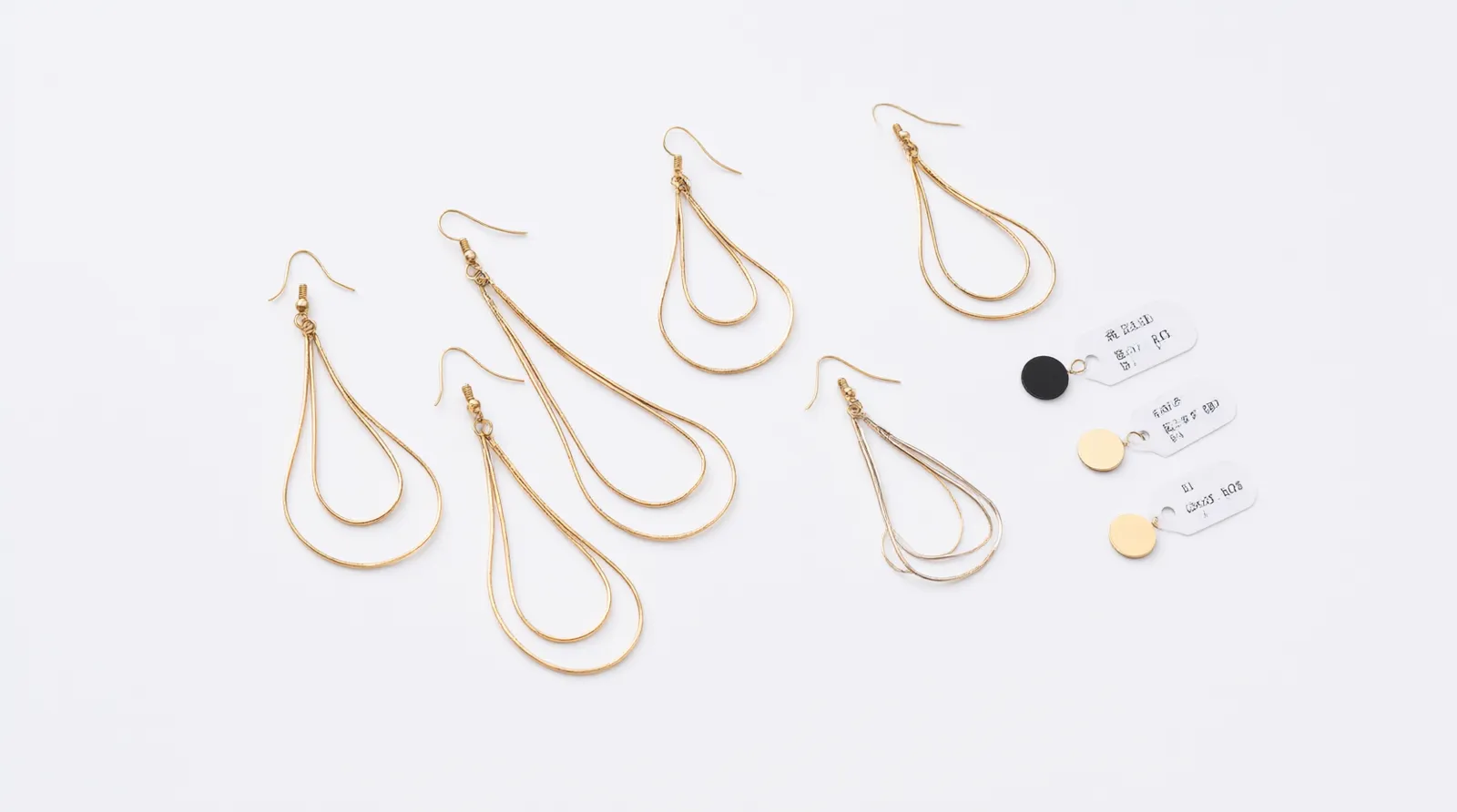
Custom Jewelry vs. Alternatives: The B2B Buyer's Comparison for 2026
Custom OEM jewelry manufacturing gives importers and DTC brands margin control, brand differentiation, and catalog ownership that retail alternatives cannot match. The tradeoff is real: you absorb upfront commitment and lead time in exchange for per-unit economics and exclusivity that scale with your business.
This article is written for buyers, importers, and store owners deciding between sourcing custom jewelry through a manufacturer versus purchasing and reselling from retail personalized jewelry brands or generic stock suppliers. The decision has downstream consequences for your margin structure, customer experience, and supplier dependency — so it deserves a structured look.
TL;DR / Quick Verdict
Custom OEM jewelry is the right move if you run a DTC brand, import for retail, or need exclusivity and margin at volume. Retail personalized jewelry brands like Jewlr work for individual end-consumers, not trade buyers. Off-the-shelf stock sourcing from generalist suppliers sits in between — lower commitment, but zero differentiation. For most serious B2B buyers, custom manufacturing wins on economics; the question is finding a supplier with low enough MOQs to make it accessible early.
At-a-Glance Comparison Table
| Dimension | Custom OEM Jewelry (e.g., STRAND) | Retail Personalized Brands (e.g., Jewlr) | Generic Stock Suppliers |
|---|---|---|---|
| Target buyer | Importers, DTC brands, OEM buyers | End consumers | Small resellers, dropshippers |
| MOQ | From 12 pcs/style (select from 1 pc) | N/A — per-unit consumer pricing | Varies widely, often 50–500 pcs |
| Pricing structure | Wholesale / trade pricing, negotiable | Consumer retail ($84–$234+ per item) | Wholesale, but non-exclusive |
| Customization depth | Full OEM: materials, finish, design, branding | Engraving, birthstone, photo locket | Logo engraving only, if any |
| Materials available | Gold-plated/rhodium copper, 925-style silver, glass beads, natural stone, faux pearls | 18K gold plated silver, 925 sterling silver, vermeil | Generic brass, zinc alloy |
| Payment terms | T/T, PayPal, Western Union, L/C, Xtransfer | Credit card, BNPL | Wire transfer, escrow |
| Trade terms | EXW or FOB | Consumer delivery only | FOB, varies |
| QC | In-house inspection before every shipment | Consumer warranty (1 year) | Buyer responsibility |
| Multilingual support | EN, FR, AR, ES, DE, RU | English-primary | Rarely |
| Best for | Brand-building buyers with repeat volume | Gift buyers, individual consumers | Test-phase resellers |
Custom Jewelry (OEM Manufacturing) Overview
Custom OEM jewelry manufacturing means working directly with a workshop or sourcing partner to produce jewelry under your own specifications — your designs, your finishes, your branding. The supplier handles production; you own the product.
STRAND operates this model out of Hangzhou, linking vetted Chinese workshops to overseas buyers in the US, EU, UK, and MENA. Their stock catalog runs 114 styles across drop earrings, stud earrings, and necklace-plus-earring sets — covering vintage, gradient crystal, two-tone glass bead, and rhinestone aesthetics in gold-plated and rhodium-plated copper finishes. For buyers who want to go beyond the catalog, full OEM is available: custom silhouettes, stone selection (including natural amethyst, garnet, peridot, turquoise, and others), finish specifications, and packaging.
The number that makes this accessible: MOQ starts at 12 pieces per style on 109 of the 114 catalog styles, with select styles available from 1 piece. That's a meaningful threshold for a DTC brand testing a new SKU without locking up working capital in 500-unit minimums.
Who custom OEM is built for: DTC store owners who need exclusive product, importers building a private-label catalog, and buyers who've outgrown reselling someone else's inventory and want brand equity of their own.
For a ranked breakdown of where to source custom OEM specifically, the 6 Custom Jewelry Sources Ranked: OEM Suppliers & Retail Benchmarks for 2026 covers the supplier landscape in detail.
Retail Personalized Jewelry Alternatives Overview
The retail personalized jewelry market is primarily consumer-facing. Brands like Jewlr, Made by Mary, Catbird, and Kay offer end-consumers the ability to customize pieces — engrave a name, choose a birthstone, add a photo, or select a gemstone tone. These are not trade or wholesale channels.
Jewlr, for instance, carries 641 personalized jewelry products across rings, necklaces, bracelets, and earrings. Materials include 18K gold plated silver, 925 sterling silver, and vermeil. Their gemstone range covers cubic zirconia, blue topaz, garnet, peridot, citrine, aquamarine, amethyst, and pink tourmaline. Consumer pricing as of September 2026 positions pieces in the $84–$234 range at retail — not trade pricing.
Competitors like Kendra Scott operate their own stores and wholesale program but at luxury retail price points, with brand restrictions that prevent resellers from positioning products independently. Chains like Jared or Kay have personalization counters but are vertically integrated retail operations, not supplier relationships.
The alternative also includes generalist stock suppliers — Alibaba storefronts, trade show sourcing, or jewelry wholesale platforms — which offer low prices but no customization, no QC guarantees, and rarely provide the logistics and payment flexibility that cross-border trade requires.
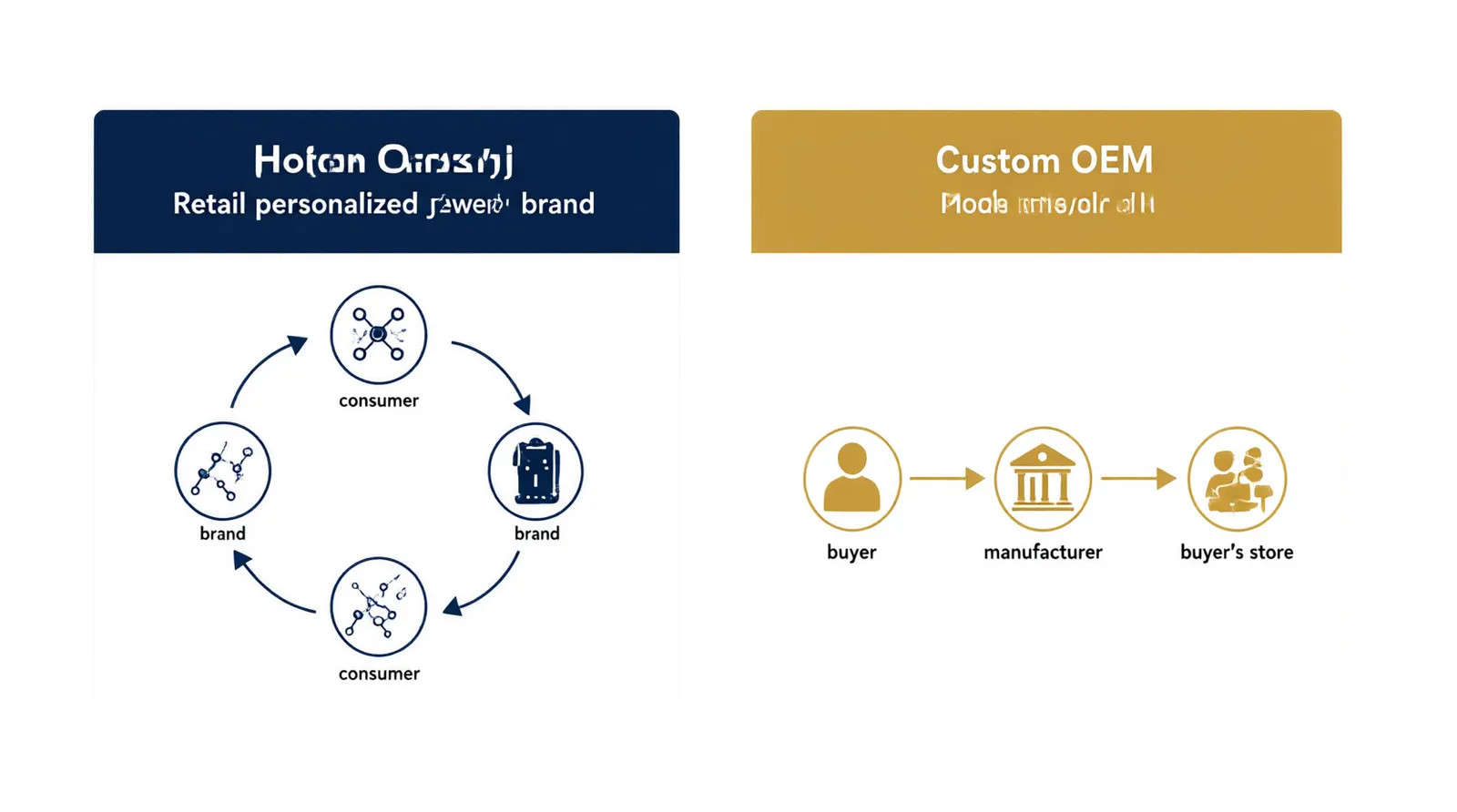
Feature-by-Feature Breakdown
Pricing & MOQ
Retail personalized jewelry prices reflect consumer margins. A Personalized Name Necklace on Jewlr starts from $84 (as of September 2, 2026) — which is a retail price point, not a landed cost you'd build a business on. There's no wholesale tier for trade buyers.
Custom OEM pricing is structured differently: you pay per-unit manufacturing cost plus shipping, with margins you set yourself. STRAND's MOQ of 12 pieces per style on stock catalog items means a buyer can place a test order across multiple styles without hitting a capital wall. For reference pricing and current trade terms, buyers should request a quote directly — manufacturing costs vary by material spec, finish, and volume.
Generic stock suppliers may offer similar or lower per-unit costs, but non-exclusive SKUs mean your competitor's product page looks identical to yours.
Product Range & Materials
Custom OEM wins on material depth. STRAND's OEM program covers gold-plated and rhodium-plated copper, 925-style silver finishes, glass beads, natural stone, and faux pearls. Natural stone options include amethyst, garnet, peridot, and turquoise — stones that carry category authority with consumers who track gemstone meanings and aesthetics.
Retail brands like Jewlr cover a solid gemstone range but are fixed to their own catalog. You can't specify a turquoise-and-diamond-accent drop earring in your colorway; you choose from what they've designed.
Customization Depth
This is the sharpest dividing line. Custom OEM means you can submit a design brief and receive samples to your specification. Finish (matte gold vs. high-gloss rhodium), stone placement, clasp type, packaging insert, and hang tag are all on the table. Retail personalization is surface-level: engraving, birthstone color selection, initials. The product architecture is theirs; you're choosing within their options.
For DTC brands building a jewelry collection, surface personalization from a retail brand doesn't create a defensible catalog. Custom OEM does.
Lead Time & Fulfillment
Retail brands ship direct to the consumer, typically within days. That's irrelevant for trade buyers who need bulk shipments to their warehouse or fulfillment center.
For custom OEM, lead times depend on whether you're pulling from stock or running a custom production run. STRAND ships by air, sea, or express courier, with EXW and FOB trade terms to suit different import logistics setups. Custom OEM production schedules should be confirmed at the RFQ stage — ask specifically about sample lead time versus bulk production lead time.
Quality Assurance
Jewlr backs its products with a one-year warranty and a 99-day return policy — consumer protections, not trade-grade QC. For trade buyers, what matters is pre-shipment inspection.
STRAND conducts in-house QC inspection before every shipment. That's a meaningful distinction when importing across borders, where a quality issue discovered at the destination warehouse has real cost consequences.
Support & Accessibility
STRAND's multilingual sales team handles procurement inquiries in English, French, Arabic, Spanish, German, and Russian — a practical consideration for procurement teams in MENA or EU markets where English-only support creates friction. Payment flexibility covers T/T bank transfer, Western Union, PayPal, L/C, and Xtransfer.
Retail brands offer consumer customer service. Generic stock suppliers often communicate through intermediaries and trading platforms with variable responsiveness.
Pros and Cons
Custom OEM Jewelry
Pros
- Full product ownership — your design, your branding, your catalog
- Competitive per-unit economics at volume
- Flexible MOQs from established suppliers (STRAND: 12 pcs/style on most styles)
- In-house QC before shipment
- Multiple payment methods and trade terms suited to cross-border procurement
- Natural stone and specialty material options (amethyst, garnet, peridot, turquoise)
- Multilingual support for international procurement teams
Cons
- Requires upfront commitment per style (even low MOQ means planning ahead)
- Sample and production lead times require planning runway
- Quality outcome depends heavily on supplier vetting — not all OEM relationships are equal
- More complex procurement process versus off-the-shelf buying
Retail Personalized Jewelry Alternatives
Pros
- Immediate availability — no production wait
- Consumer-friendly return and warranty policies (Jewlr offered 99-day returns and a 1-year warranty as of the time of writing)
- No minimum order quantities for individual purchases
- Buy now, pay later options for end consumers
- Established brand trust with consumer audiences (relevant if dropshipping branded items)
Cons
- Consumer pricing with no trade or wholesale tier for serious buyers
- No product exclusivity — identical SKUs available to any buyer
- Zero customization at the structural level (design, finish, material spec)
- Not designed for import logistics, trade terms, or bulk procurement
- Margin compression if reselling — you're building on someone else's brand equity
When to Choose Custom Jewelry (OEM Manufacturing)
You're building a private-label DTC brand. If your store needs a coherent, exclusive jewelry collection that customers associate with your brand — not a catalog brand they can find elsewhere — custom OEM is the path. You brief the design, approve samples, and own the SKUs.
You're an importer supplying multiple retail accounts. Trade buyers sourcing for boutiques, gift shops, or department store buyers need exclusive product and trade-grade documentation. A consumer-facing personalized jewelry brand doesn't provide either.
You need multilingual procurement support. If your team operates in Arabic, French, or Spanish and your supplier can't match that, deals slow down and mistakes happen. STRAND's multilingual sales coverage is a practical procurement advantage for non-English-primary teams.
You're past the test phase and need repeatable stock. Once you've validated a style with customers, you need a supplier who can fulfill repeat orders at consistent quality. Custom OEM relationships built on real pre-shipment QC are more reliable at scale than sourcing through trading platforms.
For more detail on evaluating OEM partners specifically, see Custom Jewelry: 6 Sources Buyers & DTC Brands Need in 2026.
When to Choose Alternatives
You're an end consumer buying a gift. Retail personalized jewelry brands are built for this. Jewlr's extensive personalized catalog, consumer warranty, and shipping offers serve individual buyers well. Custom OEM is not a consumer purchasing path.
You need product in 48 hours. Stock from a retail brand or a domestic jewelry distributor ships fast. Custom OEM — even from stock — requires shipping logistics. If your timeline is days, not weeks, retail stock wins on fulfillment speed.
You're testing a concept with minimal capital exposure. Buying a handful of pieces from a retail supplier to test with your audience before committing to OEM is a reasonable validation strategy. Just understand that you're testing demand, not your actual product — the unit economics and product specs will change when you move to custom manufacturing.
You're reselling a recognized luxury brand. If your retail strategy is built around an authorized reseller relationship with an established brand (Kendra Scott, Jared, or a luxury house), that's a different business model with its own margin structure and approval requirements — not custom OEM territory.
Final Verdict
The comparison isn't really custom OEM vs. retail personalized brands — they serve different buyers at different stages. The real question is whether you're ready to operate as a brand rather than a reseller.
Retail alternatives like Jewlr are consumer products with consumer economics. They serve individual shoppers. Generic stock suppliers give you wholesale pricing without product differentiation. Custom OEM manufacturing — done through a supplier with real QC, trade-ready logistics, and low MOQs — gives you a catalog you own, margins you control, and a product foundation that compounds as your brand grows.
For buyers and importers in the US, EU, UK, or MENA who are sourcing earrings, sets, and custom pieces from China, the evaluation criteria are clear: MOQ accessibility, quality assurance, payment flexibility, and supplier communication. STRAND addresses each of those directly, with 109 of 114 catalog styles available at 12 pieces per style and full OEM capability for custom work.
Ready to see whether your volume and spec requirements line up? Request a quote or catalog at strandjewelry.com — bring your target styles, estimated volumes, and any design references, and the team can respond in your language.