
Custom Jewelry vs. Retail Alternatives: A B2B Buyer’s Guide
Custom Jewelry vs. Retail Alternatives: A B2B Buyer’s Guide
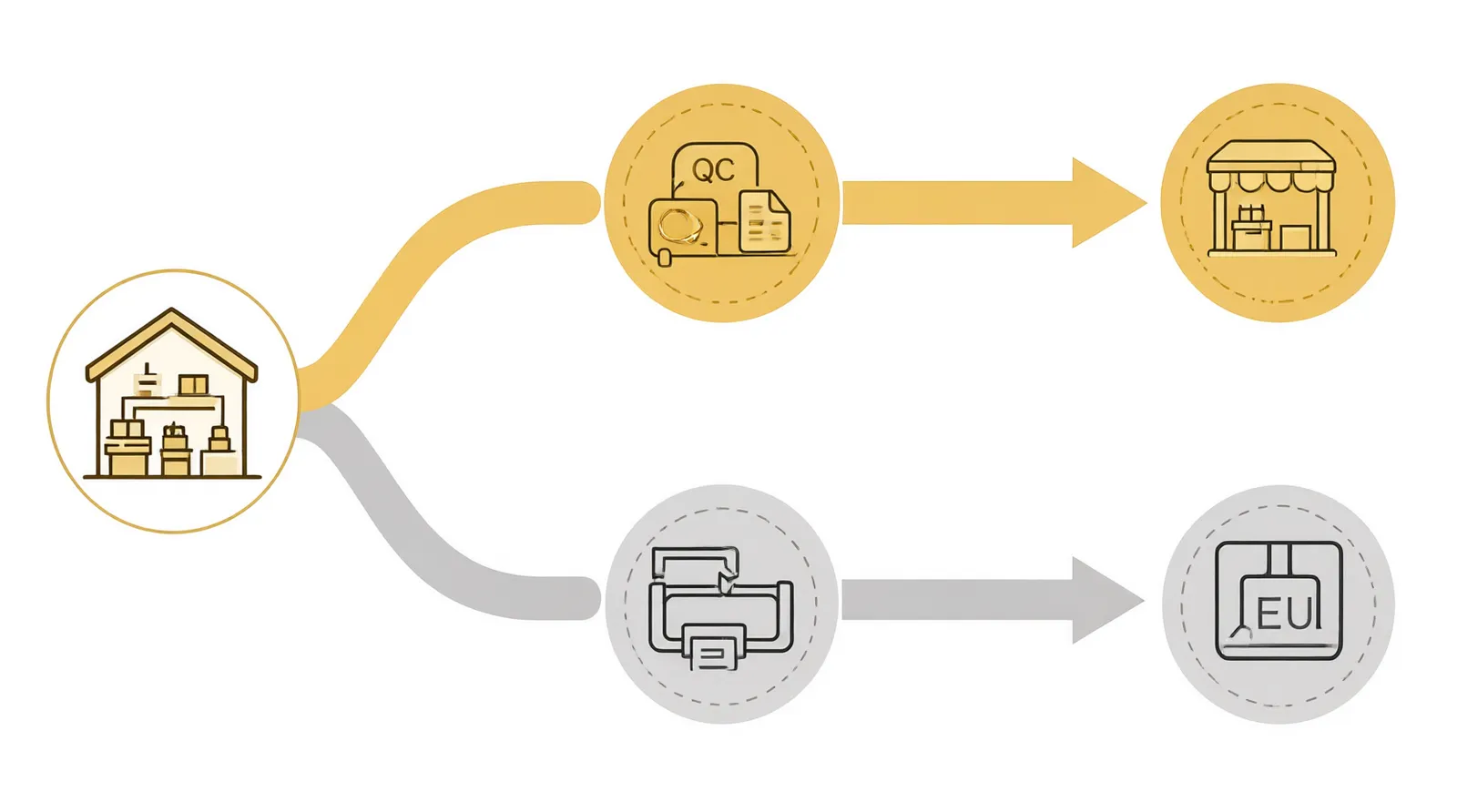
Custom jewelry sourced directly from OEM manufacturers offers DTC brands and importers control over design, plating specifications, and unit economics, while retail alternatives—such as personalized pieces from online stores or wholesale marketplaces—provide faster turnaround for single-unit orders but limited margin potential. For buyers in the US, EU, UK, and MENA regions sourcing fashion jewelry like drop earrings, stud earrings, or necklace-and-earring sets, custom jewelry is the standard for building a proprietary catalog. Retail alternatives serve better as stopgaps for testing designs before committing to production runs.
TL;DR / Quick Verdict
If you are a DTC store owner, importer, or procurement manager looking to build a branded line of fashion jewelry with specific material requirements (e.g., gold-plated copper, rhodium finishes, glass beads), custom jewelry via an OEM partner is the correct path. If you need a single engraved piece for personal use or want to test a birthstone concept without meeting minimum order quantities, retail alternatives offering personalized items are more practical. Buyers scaling a commercial catalog should prioritize direct-to-manufacturer custom routes to protect margins and ensure consistent quality control across shipments.
At-a-Glance Comparison Table
| Dimension | Custom Jewelry (OEM) | Retail Alternatives (Personalized Stores) |
|---|---|---|
| Target Buyer | Importers, DTC brands, procurement teams | Individual consumers, small boutiques buying 1-2 units |
| Pricing Model | Volume-based unit cost negotiated via trade terms | Fixed retail pricing (e.g., personalized pendants starting around $84–$189 as of the time of the source Jewlr) |
| Minimum Order Quantity (MOQ) | Varies by supplier and style; often low enough for emerging brands | 1 piece |
| Materials & Finishes | Customizable base metals, plating types, and stone selections per buyer specs | 18K gold plated silver, 925 sterling silver, vermeil Jewlr |
| Product Focus | Drop earrings, studs, necklace + earring sets (vintage, gradient crystal, rhinestone) | Engravable rings, name necklaces, birthstone pendants |
| Shipping & Logistics | Air, sea, or express freight | Free standard shipping Jewlr |
| Payment Terms | Commercial channels such as bank transfers and letters of credit | Credit card, Buy Now Pay Later plans Jewlr |
| Quality Assurance | Supplier inspections prior to shipment | 1-year warranty, 99-day return policy Jewlr |
| Language Support | Varies by manufacturer | Primarily English |
Custom Jewelry Overview
Custom jewelry in a B2B context refers to fashion pieces manufactured to a buyer's exact specifications—or selected from a supplier's proprietary catalog and produced under agreed trade terms. This model is built for importers, DTC store owners, and buyers operating in the US, EU, UK, and MENA markets who require scalable inventory rather than one-off gifts.
OEM suppliers link vetted workshops directly to overseas buyers, offering low MOQs alongside manufacturing flexibility. Buyers can typically access stock catalogs featuring vintage, gradient crystal, two-tone glass bead, and rhinestone styles. Depending on the supplier, MOQs may be structured to allow smaller DTC brands to test inventory without tying up excessive capital, with select styles sometimes available in single units for sampling purposes.
The material range supports diverse brand positioning. Production can cover various base metals and platings, along with multiple stone options. Because many OEM suppliers offer multilingual sales support, procurement teams across different regions can negotiate specifications without translation bottlenecks. Trade terms are defined during negotiation, with shipping routed by air, sea, or express depending on the urgency and volume of the order.
For buyers evaluating how this fits into a broader sourcing strategy, our guide on Custom Jewelry: 6 Sources Buyers & DTC Brands Need in 2026 breaks down where OEM suppliers sit alongside other procurement channels. You can also explore our detailed B2B sourcing comparison to see how these procurement models stack up against one another.
Alternatives Overview
Alternatives to custom OEM jewelry primarily consist of retail-focused personalized jewelry platforms and traditional brick-and-mortar chains. These options are built for end consumers seeking sentimental value—engraved initials, birthstones, or nameplates—rather than businesses needing bulk inventory.
Platforms like Jewlr list hundreds of products in their personalized category, offering items such as engravable stacking heart pendants, double baguette bypass rings, and initial tag necklaces. Materials typically include 18K gold plated silver, 925 sterling silver, and vermeil, incorporating gemstones like peridot, citrine, cubic zirconia, blue topaz, garnet, amethyst, and aquamarine Jewlr. These platforms offer consumer-friendly policies, including free shipping, 99-day returns, and one-year warranties Jewlr.
Other alternatives include established retail chains like Jared, which operate physical stores and online portals for personalized fine jewelry, or contemporary DTC brands like Kendra Scott and GLDN that offer limited customization (like initial stamping) on pre-designed luxury or demi-fine pieces. While these alternatives provide immediate purchasing gratification and consumer-grade guarantees, they lack the structural pricing, material customization, and logistical frameworks required by a commercial buyer importing goods for resale. Understanding these limitations is critical when weighing retail alternatives against direct manufacturing partnerships.
Feature-by-Feature Breakdown
Pricing and Unit Economics
Custom jewelry pricing relies on B2B trade structures. When sourcing through an OEM partner, buyers negotiate based on trade terms such as EXW (Ex Works) or FOB (Free on Board). The unit cost drops significantly at scale, and payment is handled via commercial channels like bank transfers, letters of credit, or international payment platforms. This structure protects margins for DTC stores reselling the finished goods.
Retail alternatives price items individually for end consumers. For example, personalized rings and pendants on consumer platforms carry fixed retail prices, sometimes subject to promotional discounts or email sign-up incentives (such as saving an extra percentage off by creating an account) Jewlr. These prices include retail markups, making them unviable for buyers intending to resell at a profit.
Material and Design Control
With custom jewelry, the buyer dictates the material composition. If your target market demands rhodium-plated copper drop earrings with turquoise-colored glass beads, or gold-plated stud earrings featuring faux pearls, the OEM workshop manufactures to that exact brief. You control the base metal, the plating type, and the stone selection (whether natural stone, amethyst-hued glass, or diamond-simulant rhinestones).
Alternatives restrict you to their existing templates. A consumer platform might offer a garnet birthstone ring, but only in their specific 925 sterling silver setting. You cannot alter the base metal, change the plating micron thickness, or request a matching necklace-and-earring set if it isn't already in their catalog.
Minimum Order Quantities (MOQ) and Sampling
MOQ is often the deciding factor for growing brands. Many OEM catalogs allow buyers to order in manageable batch sizes per style, keeping thresholds low enough for emerging DTC brands to diversify their offerings without warehousing massive dead stock. For initial quality checks, some suppliers permit sampling in single units.
Retail alternatives inherently have an MOQ of one. While excellent for personal gifting, buying 50 individual units from a retail site like Jared or a boutique brand like Made by Mary means paying 50 separate retail prices plus individual shipping fees, destroying any wholesale advantage.
Logistics, Shipping, and Trade Terms
Commercial custom jewelry moves via established freight networks. Buyers choose between air freight for faster restocking, sea freight for high-volume cost efficiency, or express couriers for urgent samples. The transaction is governed by international trade terms, meaning the buyer has clear visibility into where liability transfers during transit.
Retail alternatives ship via standard postal or courier services directly to a consumer address. While platforms may offer free shipping Jewlr, this model does not support palletized freight, customs brokerage for commercial import, or consolidated shipping to a distribution center.
Quality Assurance and Compliance
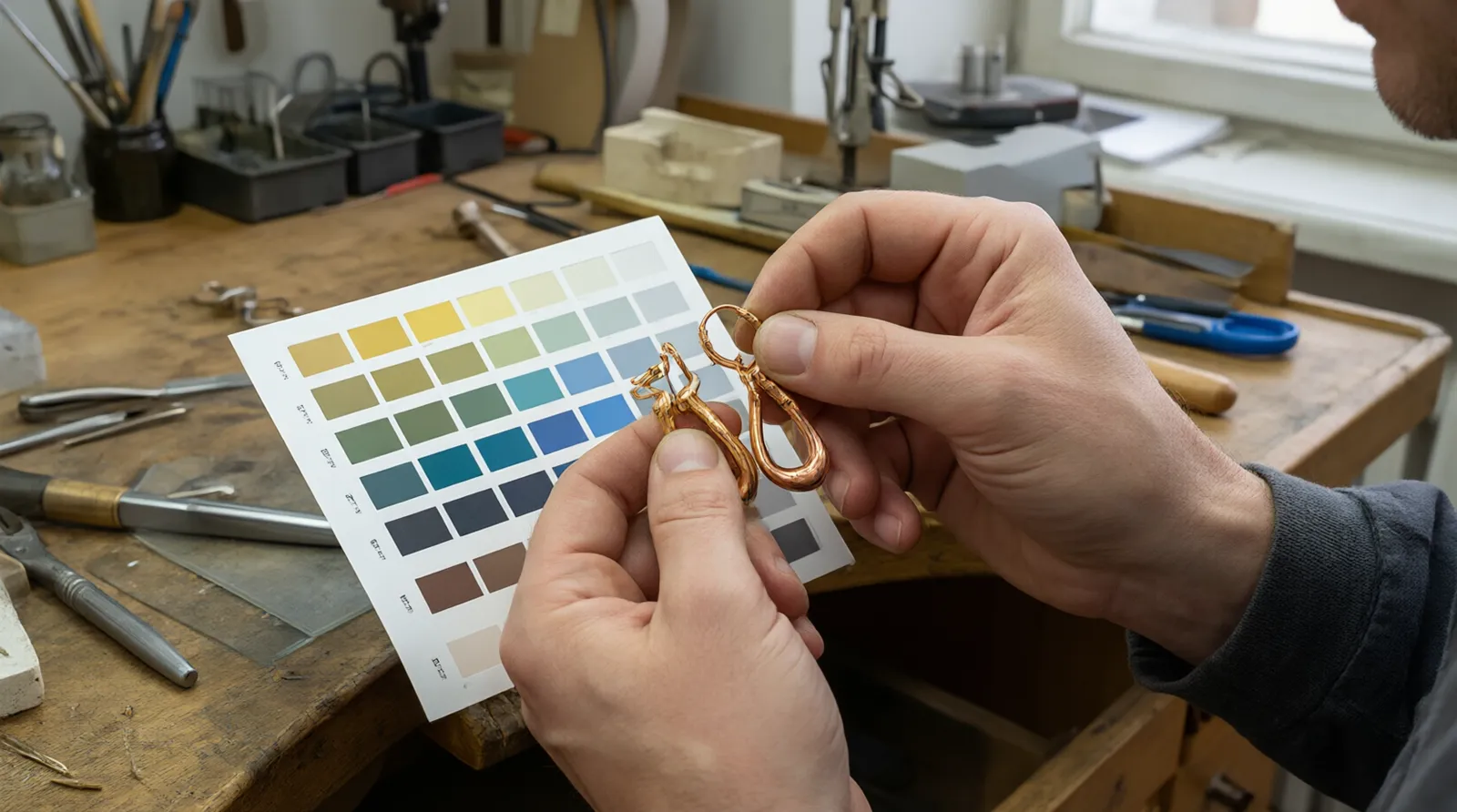
OEM custom jewelry requires rigorous quality control. Reputable suppliers conduct inspections before shipments leave the facility. For buyers importing into the EU or US, verifying compliance (e.g., nickel-free or lead-free standards for fashion jewelry) is part of the supplier vetting process. Our detailed breakdown in 6 Custom Jewelry Sources Ranked: OEM Suppliers & Retail Benchmarks for 2026 explores how to evaluate these QA protocols across different vendors.
Retail alternatives rely on post-purchase safety nets. Consumer sites offer 99-day return policies and one-year warranties Jewlr. While comforting for an individual buyer, returning 30% of a bulk order due to inconsistent plating is logistically impossible through a retail return portal.
Support and Communication
Cross-border procurement demands clear communication. Many OEM suppliers provide multilingual sales support, accommodating procurement teams across Europe, the Middle East, and the Americas. This reduces errors in spec sheets and accelerates the sampling phase.
Retail alternatives generally offer customer service in a single language (usually English), designed to handle individual order tracking or return requests rather than complex manufacturing negotiations.
Pros and Cons
Custom Jewelry (OEM)
Pros:
- Direct access to manufacturing, ensuring higher profit margins for resale.
- Exact control over materials (base metals, plating, stones).
- Commercial trade terms and flexible freight options (air, sea, express).
- Low MOQs suitable for scaling DTC brands.
- Multilingual procurement support available from many suppliers.
- Supplier inspections prior to dispatch.
Cons:
- Requires upfront planning for production and shipping lead times.
- Not suited for single-unit, immediate-delivery consumer purchases.
- Demands basic knowledge of import logistics and trade terms.
Alternatives (Retail Personalized Platforms & Stores)
Pros:
- Immediate purchase capability with an MOQ of one.
- Consumer protections like 99-day returns and 1-year warranties Jewlr.
- Wide variety of pre-set gemstone options (peridot, garnet, amethyst, etc.) Jewlr.
- No logistics management required; ships directly to the door.
Cons:
- Retail pricing eliminates viable resale margins.
- Zero control over base metals, plating thickness, or proprietary design changes.
- Standardized packaging unsuitable for white-label brand building.
- Payment limited to consumer methods (credit cards, BNPL) rather than commercial terms.
When to Choose Custom Jewelry
Choose custom jewelry if you are a DTC store owner launching a new seasonal collection and need dozens of units each across several different drop earring styles. With manageable MOQs, you can fulfill this easily through an OEM supplier while maintaining control over whether the pieces are finished in gold-plated or rhodium-plated copper.
This route is also mandatory for importers targeting specific regional aesthetics. If your market data shows high demand for turquoise glass bead sets in the US Southwest, or intricate faux pearl designs in the MENA region, custom OEM allows you to manufacture exactly to that demand. Furthermore, if your procurement team operates in French or Arabic, working with a supplier that offers multilingual sales infrastructure ensures your technical specifications for 925-style silver finishes or natural stone settings are translated accurately into the final product.
Finally, choose custom jewelry when your business model depends on protecting margins. Paying negotiated trade prices and managing your own freight via sea or air yields a drastically lower landed cost per unit compared to buying retail.
When to Choose Alternatives
Choose retail alternatives if you are an individual buying a single engraved pendant with an amethyst or garnet birthstone for a personal gift. Platforms listing hundreds of personalized SKUs Jewlr are optimized for this exact transaction, offering easy checkout and straightforward return policies.
Alternatives also make sense for boutique owners who want to test a single concept piece before approaching a manufacturer. If you are unsure whether your customers prefer diamond-accented styles or bold turquoise statements, buying one unit from a retail store allows you to gauge local interest without initiating an international supply chain. Additionally, if you lack the infrastructure to handle customs clearance, freight forwarding, or commercial payments like Letters of Credit, retail platforms remove those operational barriers entirely.
Final Verdict
The choice between custom jewelry and retail alternatives comes down to your role in the supply chain. If you are a consumer buying a gift, retail platforms offer convenience, warranties, and single-unit fulfillment. If you are a buyer, importer, or DTC brand owner, retail alternatives will cap your growth due to fixed pricing and lack of design ownership.
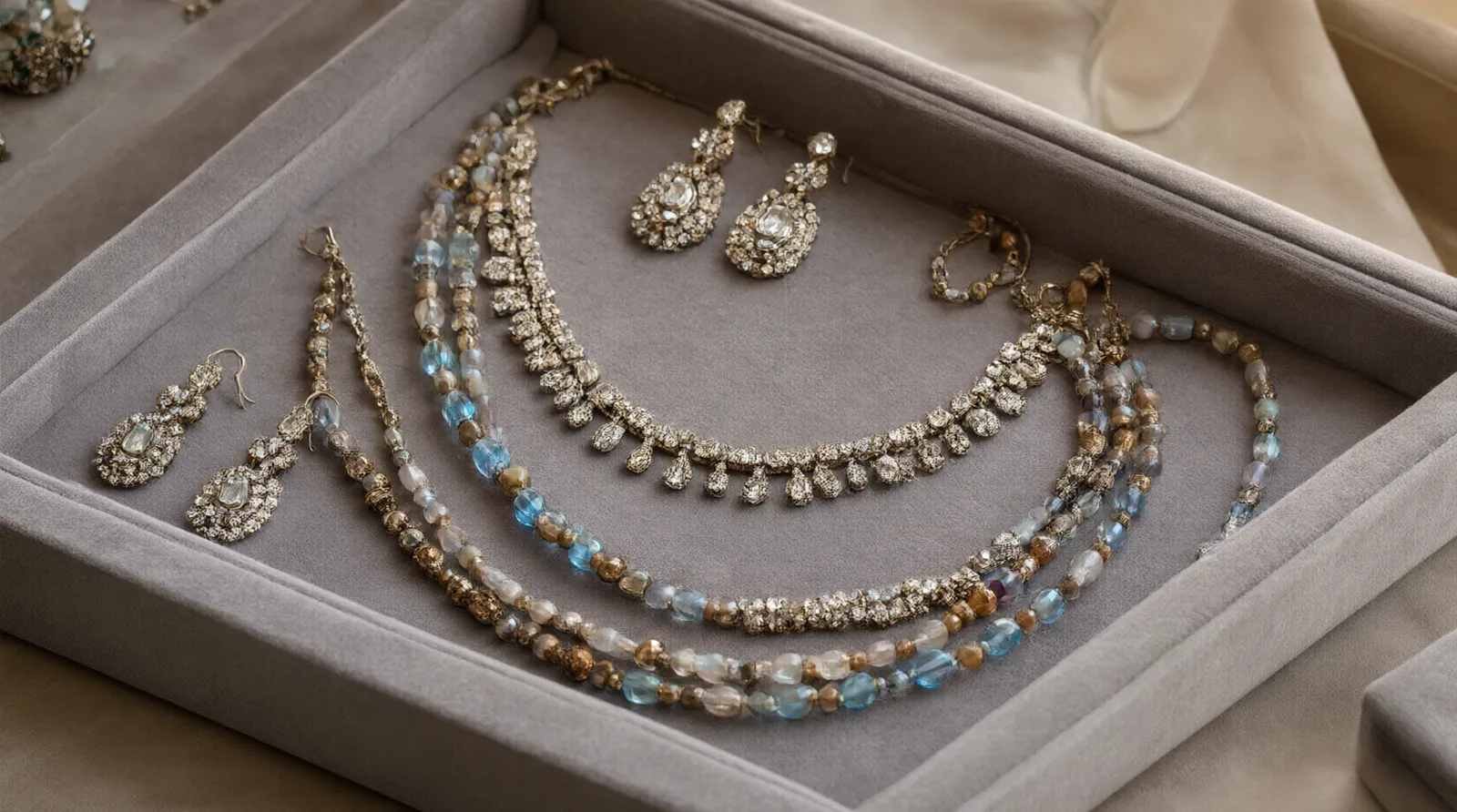
For commercial buyers in the US, EU, UK, and MENA regions, custom jewelry sourced directly from vetted workshops is the only mathematically viable path to scale. OEM suppliers bridge the gap between manufacturing capabilities and overseas commercial requirements by offering concrete advantages: curated catalogs of drop earrings, studs, and sets; accessible MOQs; supplier inspections; and multilingual support. You dictate the materials—from gradient crystals to rhodium-plated copper—and manage the logistics via trade terms using commercial payment channels.
To evaluate whether an OEM catalog aligns with your upcoming season's assortment, review available stock lists and request specific plating or stone variations for your target market. Visit https://strandjewelry.com to request a quote, confirm current MOQs for your desired styles, and arrange sample shipments via express freight.