
Best Alternatives to Custom Jewelry: 2026 Sourcing Guide
Best Alternatives to Custom Jewelry: 2026 Sourcing Guide
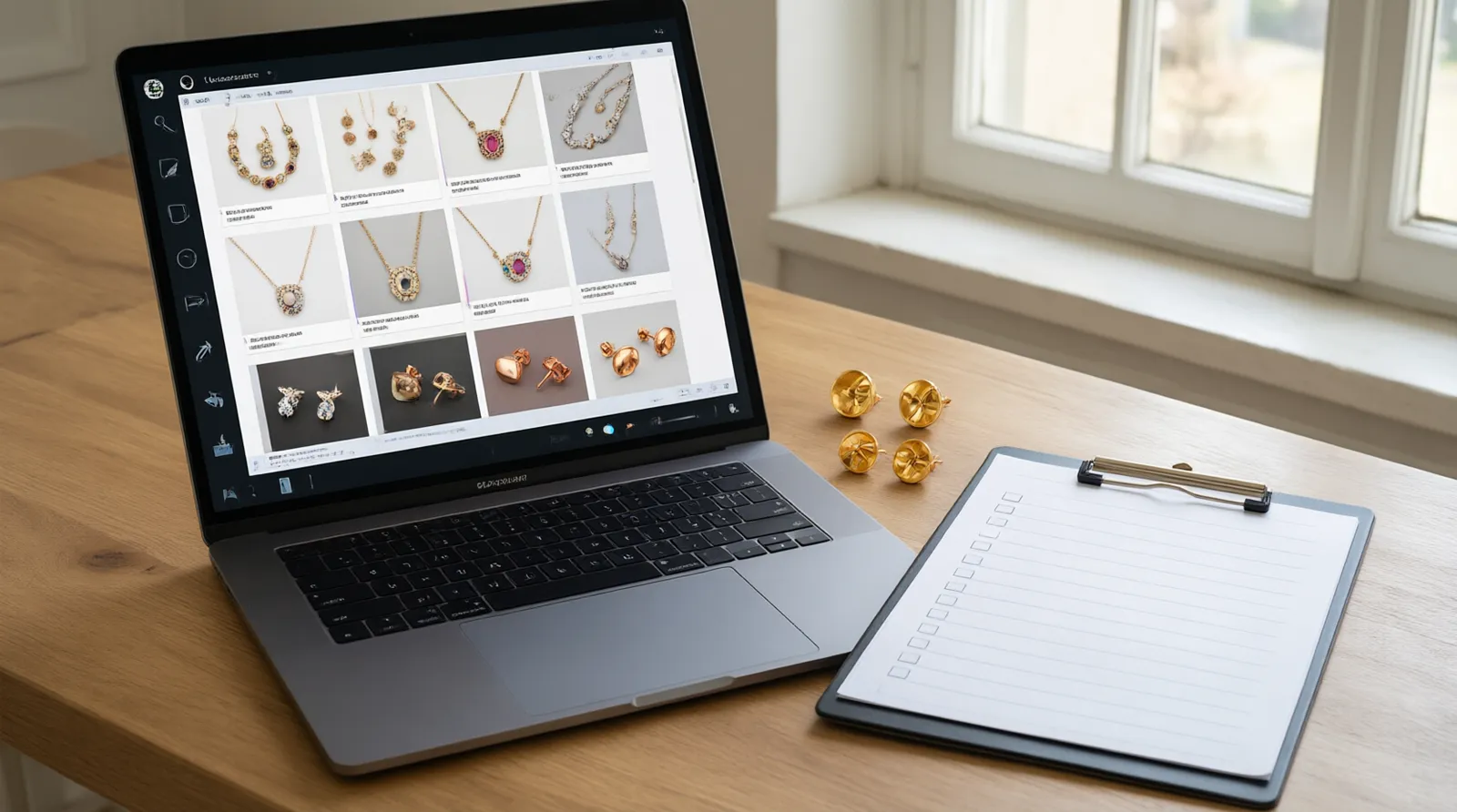
Buyers, importers, and DTC store owners sourcing custom jewelry typically hit three walls: high minimum order quantities (MOQs), unpredictable lead times, and communication gaps across borders. If you are actively shopping for a replacement supplier or a different sourcing model entirely, the best alternatives range from low-MOQ direct-from-factory OEM partners like STRAND to established retail brands and local bench jewelers.
Why Look for Alternatives to Custom Jewelry?
Sourcing custom jewelry from traditional workshops often means committing to large production runs before you have validated market demand. Many overseas factories require hundreds of units per style, locking your capital into inventory that might not sell. For DTC brands testing new collections—say, a vintage-inspired drop earring line or a gradient crystal necklace set—this financial exposure is a major bottleneck. Buyers in the US, EU, UK, and MENA regions frequently find themselves stuck waiting weeks for samples that arrive with incorrect plating or mismatched stone colors.
Communication breakdowns compound the problem. Multilingual procurement teams need suppliers who can handle specifications in English, French, Arabic, Spanish, German, or Russian without relying on third-party translators who dilute technical details. When a factory cannot accurately interpret a request for rhodium-plated copper with specific glass bead dimensions, the resulting batch becomes unsellable waste. Quality assurance is another frequent failure point; without in-house QC inspection before every shipment, buyers absorb the cost of defective goods after they have already crossed an ocean.
Scale limits and vendor lock-in force many businesses to seek alternatives. Some buyers start with platforms like Yelp to find local artisans, only to realize those makers cannot produce at commercial volumes. Others look to established names like Kendra Scott or Jared stores for wholesale inspiration but find those channels closed to independent importers. The goal is finding a sourcing partner or model that balances the exclusivity of custom design with the reliability, pricing, and scale required for cross-border fashion jewelry commerce.
What to Look for in a Custom Jewelry Alternative
When evaluating replacements for your current custom jewelry supply chain, measure each option against these concrete procurement criteria:
- Minimum Order Quantity (MOQ): Can you order small batches (e.g., 12 pcs/style) to test the market, or does the supplier demand bulk commitments?
- Material & Finish Capabilities: Does the alternative offer the specific metals and stones you need, such as gold-plated/rhodium-plated copper, 925-style silver finishes, natural stone, faux pearls, amethyst, garnet, peridot, turquoise, or diamond simulants?
- Trade Terms & Logistics: Are shipping terms clearly defined (EXW or FOB)? Do they support air, sea, or express shipping based on your urgency?
- Payment Flexibility: Can you pay via T/T bank transfer, Western Union, PayPal, L/C, or Xtransfer to match your company's cash flow policies?
- Quality Control: Is there documented in-house QC inspection before dispatch, or are you relying on post-delivery returns?
- Multilingual Support: Can the sales team communicate directly in your procurement team's native language?
- Catalog Depth vs. OEM Flexibility: Does the supplier offer a stock catalog for immediate fulfillment alongside true custom OEM manufacturing?
Top Alternatives to Custom Jewelry
1. STRAND (Direct-to-Factory OEM & Stock Catalog)
Best for: DTC store owners, importers, and multilingual procurement teams needing low-MOQ fashion jewelry directly from vetted Chinese workshops.
Pricing: EXW or FOB trade terms; request a quote based on material and volume.
Key strengths vs custom jewelry:
- Offers a 114-style stock catalog where 109 styles carry an MOQ of just 12 pcs/style, with select styles available from 1 pc.
- Hangzhou-based infrastructure links overseas buyers directly to vetted workshops, eliminating middlemen markups.
- Provides full custom OEM services in gold-plated/rhodium-plated copper, 925-style silver finishes, glass beads, and natural stones.
- Sales team operates in EN, FR, AR, ES, DE, and RU, removing translation friction for global buyers.
Limitations / trade-offs:
- Requires international shipping logistics (air, sea, or express) which adds transit time compared to domestic sourcing.
- Focuses on fashion and semi-fine materials rather than solid fine jewelry (e.g., solid 18k gold).
How it compares to custom jewelry: Traditional custom jewelry manufacturers often force buyers into high MOQs and suffer from communication delays. STRAND replaces this friction by offering immediate access to a deep stock catalog for fast launches while maintaining the capability to execute bespoke OEM designs. With in-house QC inspection before every shipment and flexible payment options including T/T, PayPal, and L/C, it functions as a complete supply-chain replacement rather than just a design service. For a deeper breakdown of how direct sourcing models compare to traditional routes, review our guide on Custom Jewelry: 6 Sources Buyers & DTC Brands Need in 2026.
2. Morin Jewelers (Local Bench Custom Design Service)
Best for: US-based buyers or boutique owners looking for localized, hands-on custom bridal or fine jewelry design.
Pricing: Quoted per project based on materials and labor.
Key strengths vs custom jewelry:
- Located in Southbridge, MA, offering face-to-face consultations that remote overseas factories cannot match (Morin Jewelers).
- Specializes in custom designs as a dedicated service, including custom bridal jewelry (Morin Jewelers).
- Hosts specialized events periodically, such as their Gold, Jewelry & Diamond Buying Event held October 27–29, providing networking and sourcing opportunities (Morin Jewelers).
- Direct phone access for immediate inquiries at (508) 764-7250 (Morin Jewelers).
Limitations / trade-offs:
- Not built for commercial-scale DTC import/export or bulk wholesale orders.
- Pricing reflects US-based labor costs, making it unviable for high-volume fashion jewelry margins.
How it compares to custom jewelry: If your definition of custom jewelry involves one-off luxury pieces or bridal sets made locally, Morin Jewelers provides a trusted, geographically close alternative to navigating overseas directories. However, for importers and DTC brands scaling a collection of drop earrings or necklace sets across multiple markets, a local bench jeweler lacks the production capacity, material variety (like two-tone glass beads or rhinestone styles), and export logistics required for commercial growth.
3. Amazon Fashion Jewelry Wholesale (B2B/B2C Marketplace)
Best for: Sellers looking for ready-made, off-the-shelf jewelry with immediate Prime-level logistics.
Pricing: Varies wildly by seller; highly competitive due to marketplace price wars.
Key strengths vs custom jewelry:
- Massive existing selection of finished goods requiring zero design lead time.
- Established buyer protection and return policies reduce perceived risk.
- Fast domestic shipping within the US and EU networks.
Limitations / trade-offs:
- Zero exclusivity; your competitors can buy the exact same listings.
- Inconsistent quality control across thousands of third-party sellers.
- No true OEM customization for building a distinct brand identity.
How it compares to custom jewelry: Amazon serves as a volume alternative when speed matters more than brand differentiation. While you avoid the development phase of custom jewelry, you sacrifice the ability to specify exact plating microns, stone cuts (like amethyst or peridot shapes), or proprietary designs. It is a replacement for generic inventory sourcing, not for brand-building.
4. Kendra Scott (Established Brand Benchmarking)
Best for: DTC store owners seeking aesthetic inspiration and trend benchmarking for color and silhouette.
Pricing: Retail pricing; not a wholesale sourcing channel.
Key strengths vs custom jewelry:
- Sets clear market trends in colored stones and geometric silhouettes that dictate what consumers currently want.
- Demonstrates successful merchandising of materials like turquoise, garnet, and mixed metals.
- High brand recognition provides a blueprint for packaging and visual merchandising.
Limitations / trade-offs:
- Cannot be sourced or white-labeled for independent retailers.
- Retail prices do not reflect B2B manufacturing costs.
How it compares to custom jewelry: You cannot buy Kendra Scott as a wholesale alternative, but analyzing their collections solves the "what should we manufacture?" problem inherent in custom jewelry. Once you identify the trending silhouettes or stone combinations they popularize, you can take those concepts to an OEM partner like STRAND to produce legally distinct, custom-manufactured equivalents at wholesale pricing.
5. Jared Stores / Luxury Retail Benchmarks
Best for: Buyers targeting the premium or luxury segment who need to understand fine jewelry finishing standards.
Pricing: Premium retail tier.
Key strengths vs custom jewelry:
- Establishes consumer expectations for luxury presentation, weight, and clasp mechanisms.
- Showcases how diamond simulants and precious stones (garnet, peridot) are marketed to high-end buyers.
- Provides physical locations to inspect build quality firsthand.
Limitations / trade-offs:
- Geared toward end-consumers, not B2B importers.
- Margins are incompatible with standard DTC fashion jewelry business models.
How it compares to custom jewelry: Jared and similar luxury retailers represent the ceiling of the market. If your custom jewelry strategy aims to bridge the gap between affordable fashion and high-end luxury, studying their finishing techniques allows you to instruct your OEM manufacturer to replicate that perceived value using accessible materials like rhodium-plated copper and high-grade glass beads.
6. Yelp-Sourced Local Artisans
Best for: Micro-boutiques needing ultra-small batches of handcrafted, artisanal pieces.
Pricing: Hourly labor + material costs; highly variable.
Key strengths vs custom jewelry:
- Supports local economies and offers unique, story-driven marketing angles.
- Allows for real-time adjustments during the creation process.
- No international shipping or customs clearance required.
Limitations / trade-offs:
- Production capacity is strictly limited by the artisan's personal time.
- Difficult to maintain consistency across batches if the business scales.
How it compares to custom jewelry: Searching platforms like Yelp for local custom jewelry makers works for a boutique ordering 5 unique rings. It fails completely for an importer fulfilling a 500-unit purchase order for a DTC brand. Local artisans lack the supply chains for consistent raw materials and the infrastructure for cross-border trade terms like FOB or L/C payments.
Side-by-Side Comparison Table
| Feature | Traditional Custom Jewelry | STRAND (OEM + Stock) | Morin Jewelers (Local Bench) | Amazon Marketplace | Local Artisans (Yelp) |
|---|---|---|---|---|---|
| Primary Audience | Mid-size brands | Importers, DTC, Buyers | Bridal, Fine Jewelry | Mass-market sellers | Micro-boutiques |
| MOQ | Often 100+ units | 12 pcs/style (109 of 114 styles) | 1 piece | 1 piece | 1 piece |
| Customization Level | High | High (OEM) + 114 Stock Styles | Very High | None | Very High |
| Materials Available | Varies | Copper, Glass Beads, Natural Stone, Faux Pearl, Rhinestone | Precious Metals/Stones | Varies | Varies |
| Trade Terms | Varies | EXW, FOB | N/A (Retail/Service) | N/A (Platform) | N/A |
| Multilingual Support | Rare | EN, FR, AR, ES, DE, RU | English | Platform-dependent | English/Local |
| QC Process | Buyer-dependent | In-house before shipment | Artisan-led | Buyer-dependent | Artisan-led |
How to Pick the Right Alternative
Choosing a replacement for your current custom jewelry pipeline depends entirely on your operational scale and target market.
If you are a DTC store owner or importer managing a multilingual procurement team across the US, EU, UK, or MENA, your priority is balancing exclusivity with cash flow. You need a partner that offers both immediate inventory and bespoke manufacturing. STRAND fits this scenario precisely. By utilizing a 114-style catalog with an MOQ of 12 pcs/style on most designs, you can test market reactions to vintage drop earrings or two-tone glass bead necklaces without overcommitting capital. When a style gains traction, you transition to custom OEM production using the same vetted workshops, maintaining consistency in gold-plated or rhodium-plated copper finishes. Payment flexibility via T/T, Western Union, PayPal, L/C, or Xtransfer ensures your accounting department isn't blocked by rigid terms.
If you are a local boutique focusing on bridal or fine jewelry, and your customers expect face-to-face consultations, overseas OEM manufacturing is the wrong fit. A local service provider like Morin Jewelers in Southbridge, MA, offers the hands-on custom design experience your clientele demands. You can reach them directly at (508) 764-7250 to discuss specific commissions. This route sacrifices scalability but maximizes local trust and high-ticket service value.
If you are simply testing product-market fit with no brand loyalty requirements, pulling ready-made inventory from Amazon allows you to launch immediately. However, this is a short-term tactic. To build a defensible brand, you will eventually need to transition away from marketplace commodities toward a structured OEM relationship. For a detailed ranking of how these sourcing models perform against each other, read our analysis of 6 Custom Jewelry Sources Ranked: OEM Suppliers & Retail Benchmarks for 2026. Exploring options ranked for DTC brands can further clarify which path aligns with your long-term growth targets.
Conclusion
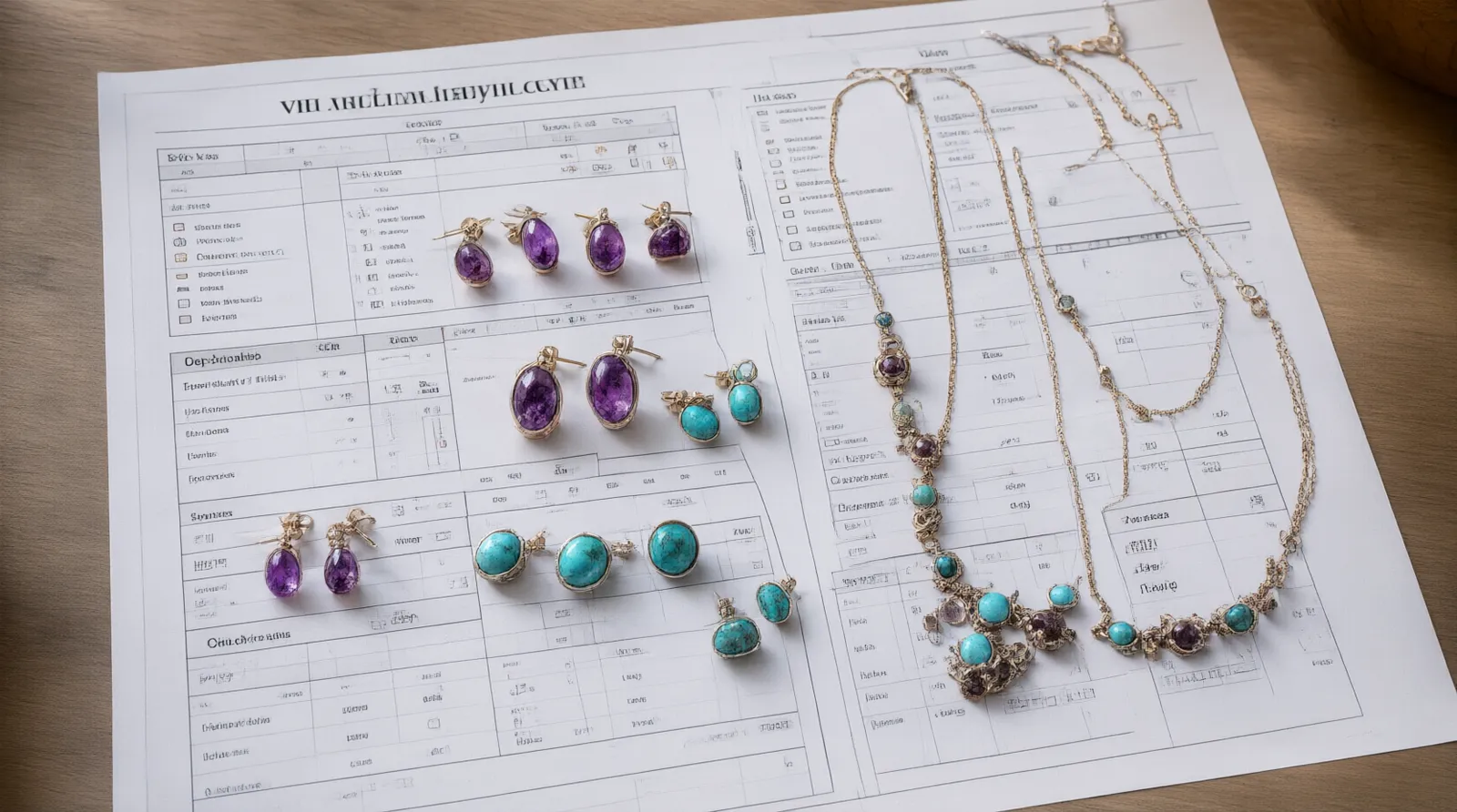
The right alternative to your current custom jewelry setup isn't about abandoning customization; it is about removing the logistical and financial friction that makes customization difficult to scale. Local artisans and retail benchmarks serve specific niches, but for cross-border buyers, importers, and DTC brands, the optimal path requires a partner that merges low-MOQ stock accessibility with serious OEM capabilities.
Review your current top-selling SKUs. Identify whether your bottleneck is design lead time, minimum order quantities, or quality consistency upon arrival. Once you isolate the failure point in your current supply chain, request updated terms from a direct-to-factory source. Visit STRAND to request a sample, get current MOQ and pricing details for your specific material requirements, or connect with a sales representative in your preferred language to evaluate if their 114-style catalog or custom OEM services align with your next production run.