
7 Smart Alternatives to Custom Jewelry for DTC Brands in 2026
7 Smart Alternatives to Custom Jewelry for DTC Brands in 2026
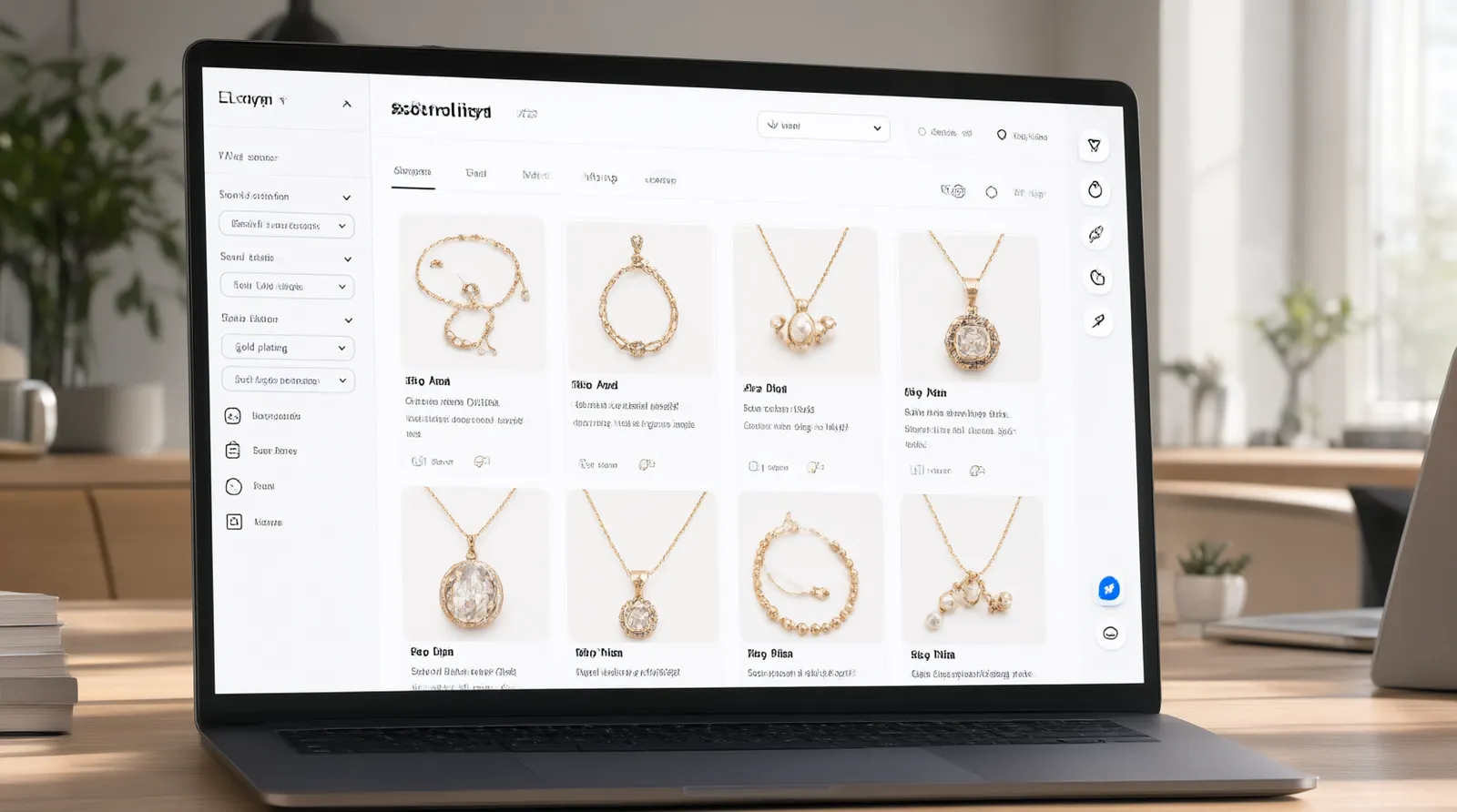
Buyers, importers, and DTC store owners sourcing custom jewelry from China typically hit three walls: minimum order quantities (MOQs) that exceed their testing budget, production lead times stretching past six weeks, and communication gaps across multilingual procurement teams. The most viable alternatives to custom jewelry range from direct-to-consumer OEM suppliers with low MOQs to semi-custom retail programs that let you build around existing stock catalogs rather than starting from a blank CAD file.
If you are actively shopping for a replacement for your current custom jewelry supplier, the decision hinges on whether you need one-of-a-kind bridal pieces or scalable fashion jewelry drops—like vintage gradient crystal earrings or two-tone glass bead necklace sets—that can ship in volume without sacrificing quality control.
Why Look for Alternatives to Custom Jewelry?
Sourcing bespoke pieces sounds appealing until you factor in the unit economics. Traditional custom jewelry manufacturing often requires high MOQs, forcing DTC brands to tie up capital in untested designs. When a buyer in the US or EU wants to test a new rhinestone drop earring style, committing to hundreds of units per SKU is a massive risk. Many overseas workshops lack the infrastructure to support small-batch sampling, leaving buyers stuck between over-ordering and abandoning the design entirely.
Communication bottlenecks create another layer of friction. Procurement teams operating across the US, UK, MENA, and EU need suppliers who speak their language—literally. Relying on a factory floor that only communicates in Mandarin or broken English leads to plating errors, mismatched stone colors, and delayed shipments. If your team operates in French, Arabic, Spanish, German, or Russian, finding a supplier who mirrors that multilingual capability eliminates costly translation errors before they reach the QC inspection stage.
Finally, there is the issue of trade terms and logistics rigidity. Many traditional manufacturers force buyers into single shipping methods or inflexible payment structures. A modern alternative needs to offer EXW or FOB terms, multiple shipping vectors (air, sea, express), and diverse payment options like T/T bank transfer, Western Union, PayPal, L/C, or Xtransfer. Without these, scaling a cross-border fashion jewelry business becomes an exercise in administrative headaches. For a deeper look at how buyers are restructuring their supply chains, explore our guide on Custom Jewelry: 6 Sources Buyers & DTC Brands Need in 2026.
What to Look for in a Custom Jewelry Alternative
Before switching suppliers or pivoting your custom jewelry sourcing strategy, evaluate potential alternatives against these specific procurement criteria:
- Minimum Order Quantity (MOQ): Can you order as few as 12 pcs/style on most stock designs, or even 1 pc on select styles, to test market demand?
- Material Versatility: Does the supplier work with gold-plated and rhodium-plated copper, 925-style silver finishes, glass beads, natural stones, and faux pearls?
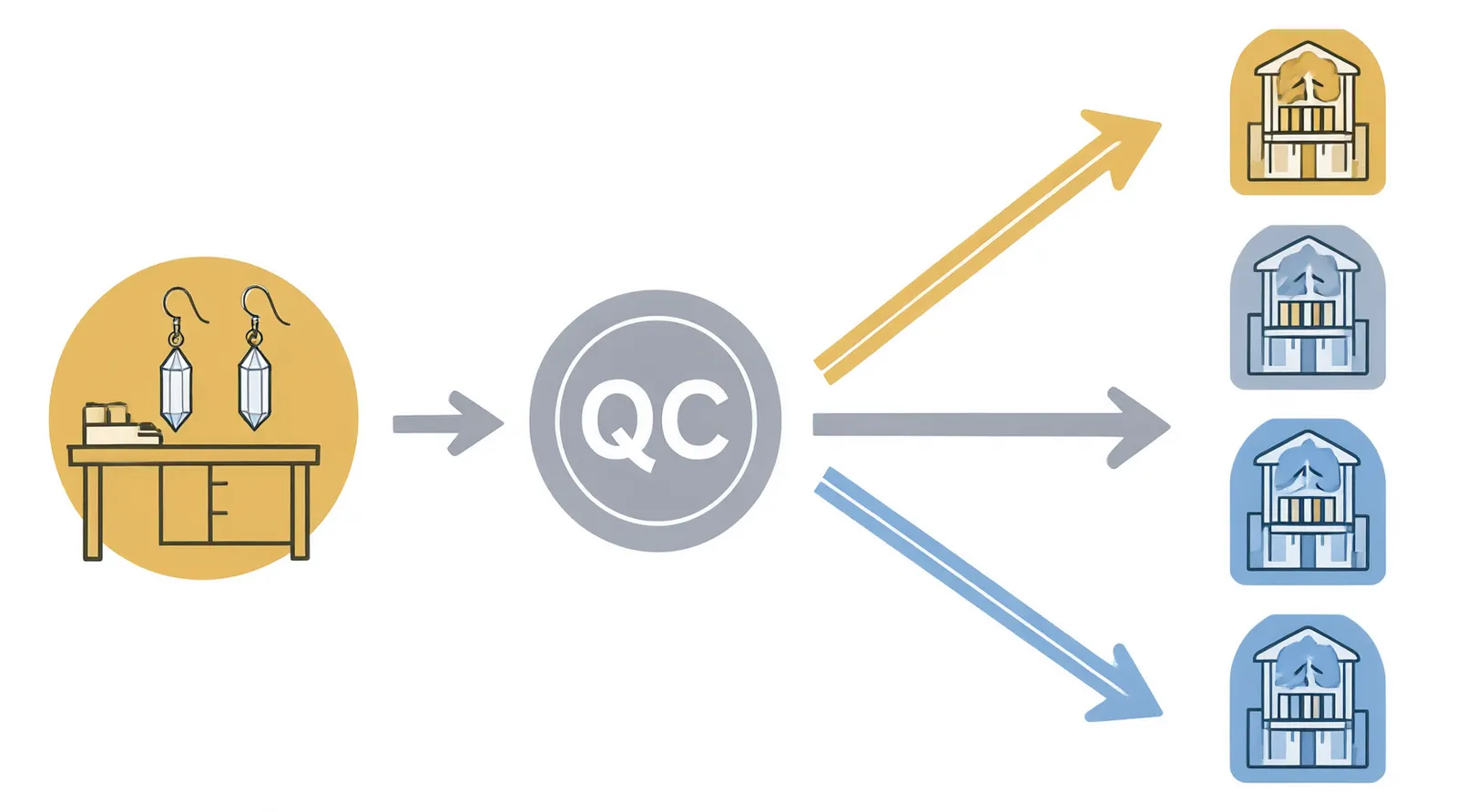
- Quality Assurance: Is there an in-house QC inspection process executed before every single shipment leaves the facility?
- Multilingual Support: Can your procurement team communicate natively in EN, FR, AR, ES, DE, or RU without relying on third-party translators?
- Flexible Trade Terms: Are both EXW and FOB options available, paired with air, sea, and express shipping routes?
- Payment Diversity: Does the supplier accept T/T, Western Union, PayPal, L/C, and Xtransfer to match your company's treasury preferences?
- Catalog Depth: Is there a substantial stock catalog (e.g., 114+ styles) available for immediate OEM adaptation?
Top Alternatives to Custom Jewelry
1. STRAND (Direct OEM & Stock Catalog Sourcing)
Best for: Cross-border fashion jewelry buyers, importers, and DTC store owners in the US, EU, UK, and MENA seeking scalable, low-MOQ sourcing directly from vetted Chinese workshops.
Pricing: B2B wholesale/OEM pricing; request a quote based on volume and materials.
Key strengths vs custom jewelry:
- Operates a 114-style stock catalog where 109 styles are available at just 12 pcs/style MOQ, with select styles available from 1 pc.
- Hangzhou-based operation linking vetted workshops directly to overseas buyers, specializing in drop earrings, stud earrings, and necklace + earring sets in vintage, gradient crystal, two-tone glass bead, and rhinestone styles.
- Full multilingual sales support in English, French, Arabic, Spanish, German, and Russian.
- Comprehensive trade flexibility including EXW or FOB terms, air/sea/express shipping, and payments via T/T, Western Union, PayPal, L/C, and Xtransfer, backed by in-house QC inspection before every shipment.
Limitations / trade-offs:
- Focused on fashion and semi-fine jewelry (copper, glass beads, faux pearls, natural stones) rather than fine luxury bridal diamonds.
- Requires buyers to understand basic B2B import processes rather than simple retail checkout flows.
How it compares to custom jewelry: Unlike traditional custom jewelry manufacturing that demands massive upfront commitments and long CAD-approval cycles, STRAND bridges the gap between off-the-shelf wholesale and full bespoke production. By allowing buyers to pull from a deep catalog of gold-plated and rhodium-plated designs and apply custom OEM modifications at a 12-piece MOQ, brands can launch new collections rapidly. It removes the financial peril of custom tooling while retaining the exclusivity required for DTC branding.
2. Brown & Company Jewelers (Bridal & Fine Custom Design)
Best for: Retail buyers and consumers looking for high-end, localized custom jewelry design services, particularly for engagement rings and bridal collections.
Pricing: Luxury fine jewelry pricing; varies heavily by diamond weight and precious metal selection.
Key strengths vs custom jewelry:
- Offers dedicated custom jewelry design services physically located in Atlanta, allowing for face-to-face consultations (Source).
- Features a specialized "build your own engagement ring" service for highly personalized bridal purchases (Source).
- Provides next-day shipping on orders placed before 2pm ET, which is exceptionally fast for fine jewelry retailers (Source).
- Customers can schedule dedicated bridal appointments to ensure precise specification matching (Source).
Limitations / trade-offs:
- Geographically limited to US-based retail customers; not structured for cross-border B2B import/export.
- Pricing reflects fine jewelry margins, making it unsuitable for fashion DTC brands needing volume inventory.
How it compares to custom jewelry: Brown & Co. represents the traditional retail approach to custom jewelry. While a cross-border OEM supplier focuses on producing 12-piece batches of rhinestone or amethyst drop earrings for a brand's online store, Brown & Co. focuses on singular, high-value items like diamond engagement rings. If your business model relies on selling individual luxury pieces domestically with white-glove service, this model works. If you need to stock a DTC storefront with dozens of SKUs, the unit economics do not align.
3. Zales Personalized Jewelry Collections
Best for: Volume retail buyers and consumers seeking accessible, mid-market personalized jewelry without the lead times of ground-up manufacturing.
Pricing: Mid-tier retail pricing; frequent promotional discounts.
Key strengths vs custom jewelry:
- Massive scale and established supply chain ensuring consistent availability of personalized items.
- Wide variety of base metals and gemstone options, including garnet, peridot, and turquoise birthstone pieces.
- Standardized personalization (engraving, initial pendants) reduces production errors compared to fully bespoke designs.
- Broad network of physical stores allows buyers to inspect quality in person before purchasing.
Limitations / trade-offs:
- Personalization is limited to pre-set templates; you cannot alter the fundamental architecture of the piece.
- Not a B2B sourcing solution for importers or DTC brands looking to white-label inventory.
How it compares to custom jewelry: Zales offers "personalized" rather than truly "custom" jewelry. For a DTC brand owner, buying from Zales means reselling mass-market goods with minor tweaks, offering zero brand exclusivity. In contrast, working with an OEM partner like STRAND allows you to dictate the exact gradient crystal layout or two-tone glass bead arrangement, resulting in proprietary products that competitors cannot replicate.
4. Foundrae Custom Medallions & Personalized Collections
Best for: High-end boutique buyers and luxury DTC brands looking for artisanal, narrative-driven custom jewelry with a distinct aesthetic.
Pricing: Premium luxury tier.
Key strengths vs custom jewelry:
- Highly recognizable design language centered around custom medallions and symbolic motifs.
- Appeals directly to the luxury consumer willing to pay a premium for perceived artistic value.
- Offers a blend of ready-to-ship and made-to-order pieces, giving boutiques some inventory flexibility.
Limitations / trade-offs:
- Extremely high price points limit the addressable market for most growing DTC brands.
- Production capacity is inherently limited by its artisanal positioning, making rapid scaling difficult.
How it compares to custom jewelry: Foundrae proves that custom jewelry can command luxury margins when tied to strong branding. However, for an importer or store owner trying to build a profitable margin structure, buying wholesale from Foundrae leaves little room for markup. Sourcing similar aesthetic concepts—like vintage-inspired gold-plated copper necklaces—through a direct OEM workshop provides the same visual appeal at a fraction of the landed cost.
5. Kendra Scott Custom Color Bar
Best for: Fast-fashion and trend-driven retail environments where speed-to-market outweighs material longevity.
Pricing: Accessible fashion jewelry tier.
Key strengths vs custom jewelry:
- The "Color Bar" concept allows retail staff and customers to assemble custom pieces in minutes using interchangeable stones and settings.
- Highly trend-responsive, frequently updating silhouettes to match current fashion cycles.
- Strong brand recognition among younger demographics in the US.
Limitations / trade-offs:
- Materials lean heavily toward fashion-grade components rather than durable fine jewelry metals.
- Like Zales, this is a retail experience, not a B2B sourcing channel for independent importers.
How it compares to custom jewelry: Kendra Scott’s model gamifies customization at the point of sale. For a DTC store owner, this highlights a different approach: instead of manufacturing custom jewelry from scratch, you can source modular components (like interchangeable stud earring backs or pendant bails) from an OEM supplier. This lets your end-customers mix and match natural stones or faux pearls themselves, reducing your inventory risk while increasing engagement.
6. Jared Design Studio
Best for: Domestic US buyers seeking a middle ground between mall-brand accessibility and fine jewelry customization.
Pricing: Mid-to-high retail tier.
Key strengths vs custom jewelry:
- Backed by Signet Jewelers' massive supply chain, ensuring reliable fulfillment.
- Offers CAD rendering services so buyers can visualize custom pieces before committing to production.
- Wide selection of center stones, from traditional diamond options to colored gems like amethyst and turquoise.
Limitations / trade-offs:
- Strictly a B2C retail operation; no wholesale or import/export infrastructure for international buyers.
- Lead times for fully custom pieces can stretch several weeks, delaying time-to-market.
How it compares to custom jewelry: Jared provides a safe, predictable custom jewelry experience for the end consumer. But for a buyer or importer, relying on retail giants to understand your sourcing needs is impossible. They are your competition, not your supply chain. To compete with stores like Jared, DTC brands need direct access to the workshops producing similar quality—specifically those capable of executing 925-style silver finishes and rhodium plating at scalable MOQs.
7. Local Independent Bench Jewelers (via Yelp/Directories)
Best for: Hyper-local boutique owners needing immediate repairs, resizing, or very small-batch prototype runs (1-5 pieces).
Pricing: Hourly bench rates plus material costs.
Key strengths vs custom jewelry:
- Immediate, face-to-face collaboration with the artisan actually making the piece.
- No shipping delays or customs clearance hurdles for domestic production.
- Ideal for rapid prototyping a single design before sending the specs overseas for volume manufacturing.
Limitations / trade-offs:
- Cannot scale. Producing 50+ units of a complex rhinestone earring set will overwhelm a solo jeweler.
- Labor costs in the US, UK, or EU make the final unit price uncompetitive for DTC retail.
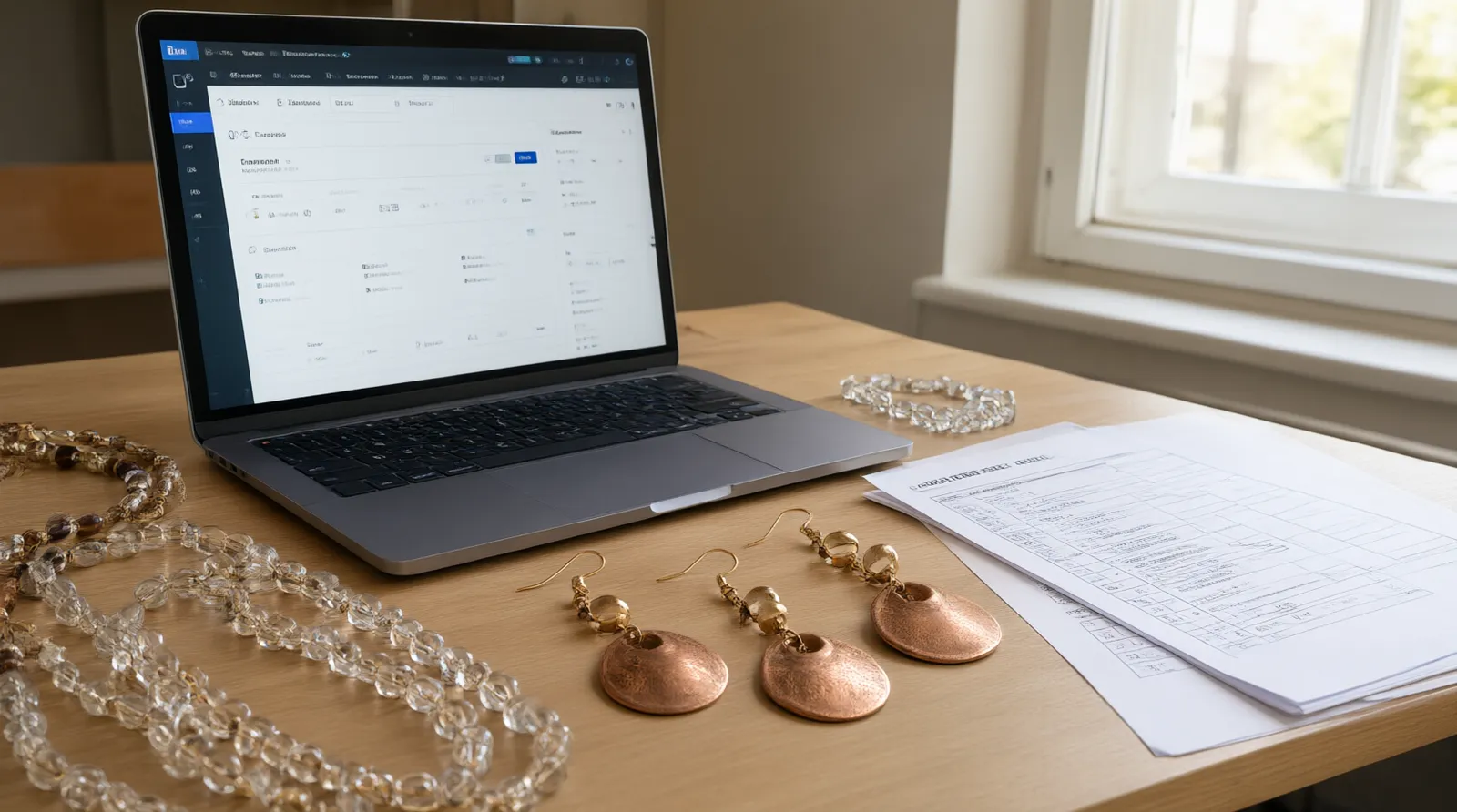
How it compares to custom jewelry: Local jewelers are excellent for creating the initial master sample of a custom jewelry line. Once that prototype is approved, the smart move for importers and DTC brands is to hand those specifications to an overseas OEM partner. A Hangzhou-based supplier can take your local jeweler's CAD file and reproduce it in gold-plated copper or glass beads at a 12-piece MOQ, transforming a $300 prototype into a $15 retail-ready unit. Read more about structuring this workflow in our breakdown of 6 Custom Jewelry Sources Ranked: OEM Suppliers & Retail Benchmarks for 2026.
Side-by-Side Comparison Table
| Feature | STRAND (OEM/DTC) | Brown & Co. (Retail) | Zales (Retail) | Kendra Scott (Retail) | Local Bench Jeweler |
|---|---|---|---|---|---|
| Target Audience | B2B Importers, DTC Brands | B2C Bridal/Fine Buyers | B2C Mass Market | B2C Fashion Buyers | B2C / Prototyping |
| MOQ | 12 pcs/style (109 of 114 styles); 1 pc select | 1 piece | 1 piece | 1 piece | 1 piece |
| Trade Terms | EXW, FOB | N/A (Retail) | N/A (Retail) | N/A (Retail) | N/A (Retail) |
| Materials | Copper, Glass Beads, Natural Stone, Faux Pearl | Precious Metals, Diamond | Mixed Metals, Gemstones | Fashion Metals, Stones | Varies by artisan |
| Multilingual Support | EN, FR, AR, ES, DE, RU | English | English | English | English (typically) |
| Shipping Options | Air, Sea, Express | Next-day available pre-2pm ET (Source) | Standard/Retail | Standard/Retail | Hand-delivery/Pickup |
| QC Process | In-house inspection before every shipment | In-store verification | Corporate standard | Corporate standard | Artisan dependent |
How to Pick the Right Alternative
Choosing an alternative to your current custom jewelry setup depends entirely on your position in the supply chain.
For DTC Store Owners & E-commerce Brands: Your primary constraint is cash flow tied up in inventory. You need an alternative that allows you to test trends—like vintage rhinestone studs or peridot and garnet accent necklaces—without ordering 500 units. Look for OEM suppliers offering a 12-piece MOQ on a broad stock catalog. This allows you to list 20 new SKUs on your Shopify store for the cost of what traditional manufacturers charge for a single mold setup. Ensure your supplier offers express shipping for initial tests and sea freight for replenishment to protect your margins.
For Importers & Wholesale Distributors: Scale and compliance are your metrics. If you are importing into the EU or UK, you need suppliers who understand REACH compliance for heavy metals in plated copper. If you are distributing across MENA, having a sales team that speaks fluent Arabic prevents specification errors regarding modesty guidelines in jewelry design or specific packaging requirements. Prioritize partners offering FOB terms and L/C payment options to protect your capital during transit.
For Boutique Retail Buyers: If you operate a physical store and want exclusive pieces without competing with mall brands like Jared or Zales, avoid their personalized collections. Instead, source semi-custom fashion jewelry from direct workshops. You can request specific colorways of two-tone glass bead sets that aren't available to the general public, giving your brick-and-mortar location a unique product assortment that drives foot traffic.
Conclusion
The term "custom jewelry" means vastly different things depending on whether you are a bride walking into Brown & Company Jewelers in Atlanta or a procurement manager in London trying to source 500 pairs of gold-plated drop earrings. For retail consumers, local and national jewelers provide the necessary hand-holding and luxury experience. For buyers, importers, and DTC store owners, those retail models are operational dead ends.
Scaling a fashion jewelry brand requires moving away from rigid, high-MOQ bespoke manufacturing and toward flexible, catalog-backed OEM partnerships. By securing a supplier that combines a 114-style catalog, 12-piece minimums, multilingual support, and rigorous pre-shipment QC, you eliminate the traditional bottlenecks of cross-border sourcing.
Review your current landed costs and inventory turnover rates. If your capital is trapped in slow-moving custom SKUs, request a sample batch from a direct OEM partner to benchmark your current pricing against factory-direct rates. Reach out to the STRAND team at strandjewelry.com to request a quote, verify current MOQ tiers for your target styles, and discuss shipping terms for your next collection drop.