
The Ultimate Guide to Jewelry Wholesale Fashion Sourcing
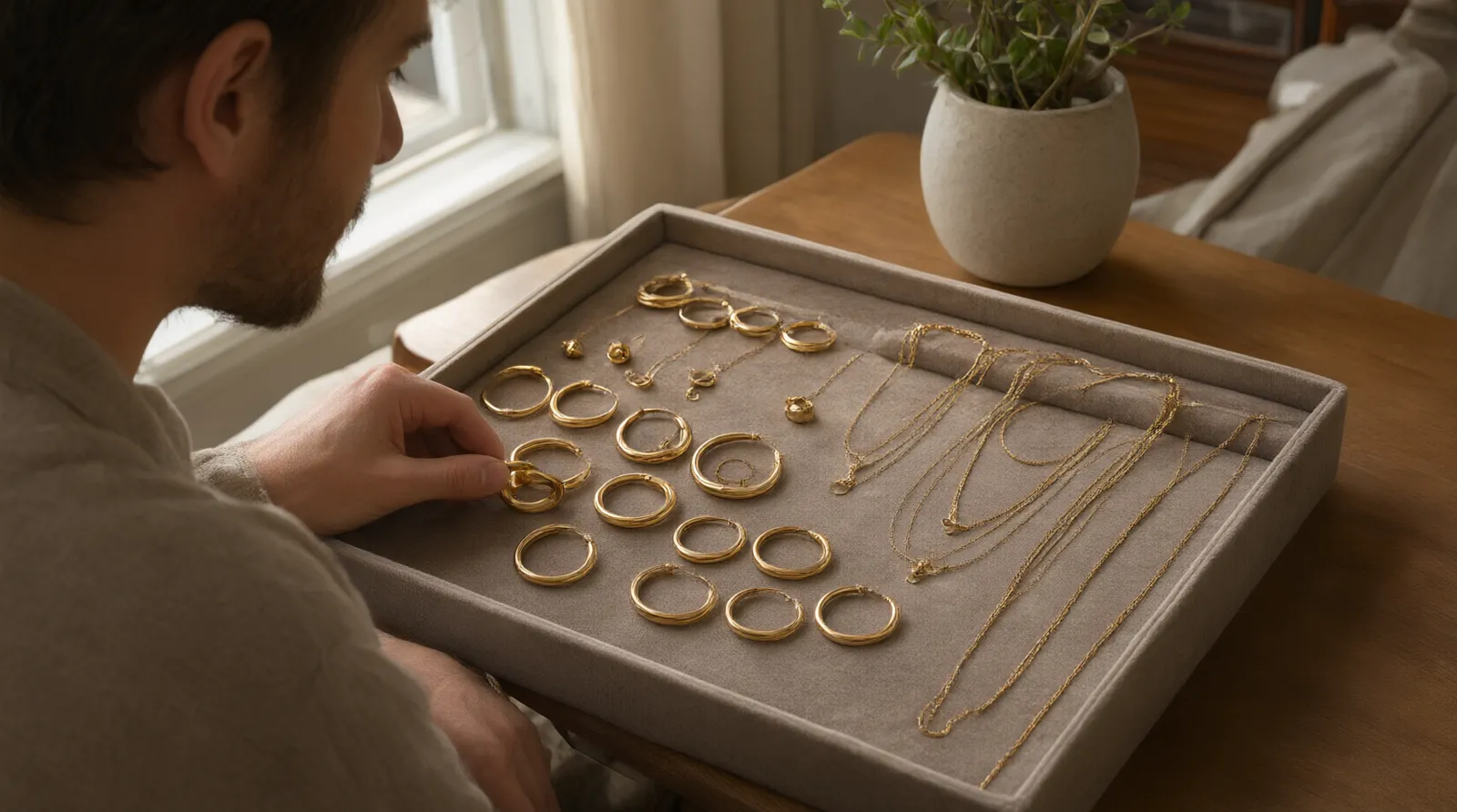
The Ultimate Guide to Jewelry Wholesale Fashion Sourcing
Wholesale fashion jewelry is the business-to-business procurement of trend-driven, crafted accessories—such as gold-plated brass earrings, layered necklaces, and gemstone rings—in bulk quantities directly from vetted manufacturers or distributors. Retailers, importers, and direct-to-consumer (DTC) brands use this supply model to stock their collections at lower per-unit costs while maintaining strict quality standards. For a deeper dive into the fundamentals of this process, explore our wholesale jewelry sourcing guide.
For overseas buyers, sourcing these pieces requires moving past the outdated assumption that volume means compromising on craft. Brands like STRAND position their catalogs around vetted materials, precise dimensions, and reliable production timelines rather than sheer bulk output. Whether you are a DTC store in Dubai curating modest, gold-toned layering pieces or a European importer stocking seasonal drops, understanding the mechanics of this supply chain dictates your margins and your brand's reputation.
What Exactly Is Wholesale Fashion Jewelry?
At its core, wholesale fashion jewelry refers to the distribution network where crafted, style-forward accessories move from the manufacturer to the retailer before reaching the end consumer. Unlike fine jewelry, which relies heavily on solid precious metals and high-carat gemstones, fashion jewelry utilizes materials like brass, stainless steel, sterling silver, cubic zirconia, and semi-precious stones. These pieces are designed to reflect current aesthetic movements—from minimalist geometric shapes to ornate, culturally resonant motifs favored in MENA markets.
The "wholesale" component defines the transaction structure. Buyers purchase at a fraction of the retail price, typically requiring a Minimum Order Quantity (MOQ). However, a critical distinction exists between mass-produced bulk goods and curated wholesale. Suppliers like STRAND operate on a vetted model, meaning every piece undergoes material verification and quality checks before it enters the catalog.
How Craft Differs from Bulk
Many buyers mistakenly equate wholesale with low-grade manufacturing. In reality, professional suppliers offer tiered quality. A standard bulk supplier might provide thin flash-plating that tarnishes within weeks. A crafted supplier specifies plating thickness—often measured in microns, such as 1-micron or 3-micron gold plating over a brass base—ensuring longevity. When evaluating a catalog, buyers should look for exact specifications: the base metal (e.g., hypoallergenic surgical steel vs. raw brass), the plating method (PVD coating vs. electroplating), and the stone setting technique (prong-set vs. glued).
Why Sourcing Wholesale Fashion Jewelry Matters for Retailers
Retail margins in the accessory space depend entirely on acquisition cost. Purchasing in bulk allows DTC stores and boutiques to achieve markup multipliers that sustain their business operations. While retail pricing varies by market, buying directly from a vetted distributor removes intermediary markups added by regional trading companies. Learning how to source wholesale priced jewelry effectively is what separates profitable brands from those struggling with inventory costs.
Beyond pure economics, wholesale sourcing provides inventory consistency. If a specific 14mm gold-tone huggie earring goes viral on social media, a retailer needs a supplier capable of fulfilling restock orders without altering the design or degrading the finish. Consistency in color matching across different batches is a hallmark of a reliable partner. For markets in the Middle East and North Africa, where consumers frequently favor rich gold tones and designs that complement modest fashion silhouettes, securing a supplier who understands these cultural nuances prevents costly inventory mismatches.
The Margin Mechanics
Consider a practical scenario: a boutique imports a curated batch of layered pendant necklaces. If the retail price point for a crafted, gold-plated necklace sits between $45 and $85, purchasing through a structured wholesale channel typically reduces the per-unit acquisition cost to roughly 20% to 30% of that retail figure—meaning the buyer pays between $9 and $25 per unit depending on the base metal weight and micron count of the plating. This gross margin must cover shipping (which can add $1 to $3 per lightweight unit via air freight), customs duties (often ranging from 3% to 10% depending on the destination country's tariff codes for imitation jewelry), marketing spend, and operational overhead. Buyers who skip the wholesale tier and attempt to source through fragmented retail arbitrage rarely sustain profitable DTC operations because they absorb those same fixed logistics costs against a drastically compressed gross margin.
How to Execute a Wholesale Procurement Strategy
Procuring fashion jewelry at scale is not a single transaction; it is a workflow. Overseas buyers, particularly those managing import logistics, need a systematic approach to evaluate suppliers, request samples, and finalize freight.
Step 1: Define Your Material and Design Specifications
Before contacting any supplier, document exactly what your target market demands. If you serve a demographic that prefers heavy, statement pieces, specify the required gram weight and dimensions (e.g., a 30mm diameter cuff with a 5mm width). If your audience prioritizes skin sensitivity, mandate nickel-free and lead-free base metals. For MENA buyers, specifying warm gold tones (like 18k or 22k color plating) over cooler rose or white gold variations ensures the inventory aligns with regional preferences.
Step 2: Evaluate Supplier Capabilities
When assessing a potential partner like STRAND, look beyond the product photography. Request documentation on their quality assurance process. Ask specific questions:
- What is the exact micron thickness of the plating?
- Are the pieces individually inspected before packing?
- What is the standard lead time from order confirmation to dispatch?
A transparent supplier will provide concrete answers regarding production timelines rather than vague promises.
Step 3: Order Pre-Production or Catalog Samples
Never commit to a full MOQ without physically handling the product. Request samples to test the clasp tension, the weight distribution of drop earrings, and the actual color of the metal under natural lighting. Compare the sample against your specification sheet. If the sample features a 1-micron gold plate but feels lightweight or shows uneven coloring, the bulk order will likely carry the same defects.
Step 4: Negotiate Terms and Logistics
Finalize the commercial terms. This includes payment structures (many B2B transactions require a deposit upfront with the balance paid before shipping), return policies for defective units, and warranty terms regarding plating longevity. Once agreed, coordinate the freight method based on your timeline and budget.
Key Procurement Criteria Buyers Must Evaluate
When you are close to a purchasing decision, the difference between a successful launch and a logistical headache lies in four evaluation dimensions: materials, minimums, timelines, and transit.
Materials and Dimensions
Crafted fashion jewelry relies on precise specifications. Buyers should demand a technical sheet for every SKU. This sheet must list the base alloy, the plating type, the exact dimensions in millimeters, and the weight in grams. For example, if you are ordering signet rings, you need to know if the sizing runs true to standard US/EU ring sizes or if adjustments are necessary. Vague descriptions like "gold-colored ring" are unacceptable in professional procurement.
Minimum Order Quantities (MOQ)
MOQs protect the manufacturer's setup costs, but they shouldn't force a buyer into dead stock. Vetted suppliers often offer tiered MOQs. You might encounter a baseline requirement per style, with flexibility if you mix SKUs within a single collection. Always clarify whether the MOQ applies per colorway, per design, or per total order. For new DTC brands testing a market, finding a supplier willing to support smaller initial runs is vital for cash flow management.
Lead Times and Production Schedules
Lead time encompasses the duration from when you wire the deposit to when the goods leave the factory floor. Standard production for crafted fashion jewelry can range widely depending on complexity and current factory capacity. Custom tooling or bespoke engraving extends this timeline. Always build a buffer into your planning. If a supplier quotes a specific number of days for production, ask if that accounts for the final quality control inspection phase.
Shipping Options and Freight Forwarding
International buyers must choose between air freight and ocean freight. Air freight is faster but commands a premium, making it suitable for urgent restocks or lightweight, high-value items. Ocean freight is economical for larger, heavier shipments but requires longer transit times and more complex customs clearance. Confirm whether the supplier ships Ex Works (EXW), Free on Board (FOB), or Delivered Duty Paid (DDP), as this determines who bears the risk and cost during transit.
When Should You Use Wholesale Fashion Jewelry Sourcing?
Timing your procurement cycles correctly prevents both stockouts and overcapitalization in slow-moving inventory. There are specific operational moments when engaging a wholesale supplier becomes necessary.
Seasonal Collection Drops
Fashion operates on calendars. If your brand releases a Spring/Summer collection, your procurement cycle must begin months in advance. Working backward from a launch date, you need to account for sample approval, production lead time, international shipping, customs clearance, and your own warehouse intake. Buyers targeting major gifting seasons—such as Eid in MENA regions or the winter holidays globally—must lock in orders early enough to guarantee delivery before peak consumer demand hits.
Scaling a Successful DTC Store
When a specific design sells out rapidly, relying on retail arbitrage to restock destroys your margins and risks inconsistency. Transitioning to a formal wholesale relationship ensures you receive identical replacements. This is the exact moment to approach a vetted supplier, present your sales data, and negotiate a recurring order schedule.
Entering a New Geographic Market
Expanding into a new region requires localized inventory. A collection that performs well in Northern Europe might not resonate in the UAE due to differing aesthetic preferences and climate considerations (e.g., humidity affecting certain platings). Sourcing wholesale allows you to commission or select region-specific assortments—like heavier gold-toned chains or modesty-compliant long pendants—without paying retail premiums for small test batches.
The Tangible Benefits of Partnering with Vetted Suppliers
Choosing the right partner yields compounding returns. The benefits extend far beyond the initial unit cost.
Quality Assurance and Brand Protection
Selling a piece that turns a customer's skin green or breaks after one wear destroys brand equity. Vetted suppliers invest in quality control because their business model relies on repeat B2B clients, not one-off liquidations. By sourcing from partners who verify their materials and plating processes, retailers shield themselves from negative reviews and high return rates.
Streamlined Supply Chain Management
Managing dozens of fragmented vendors creates administrative chaos. Consolidating your procurement with a reliable supplier simplifies communication, standardizes shipping logistics, and unifies invoicing. A single point of contact who understands your brand's dimensional requirements and aesthetic standards saves procurement teams countless hours.
Cultural and Market Alignment
Suppliers experienced in global trade understand regional nuances. For buyers serving the MENA market, a knowledgeable supplier will naturally steer you toward designs that respect cultural aesthetics—favoring intricate, modest-compatible layering pieces and rich, warm metal finishes over overly revealing or mismatched styles. This alignment reduces the friction of educating a vendor about your target audience.
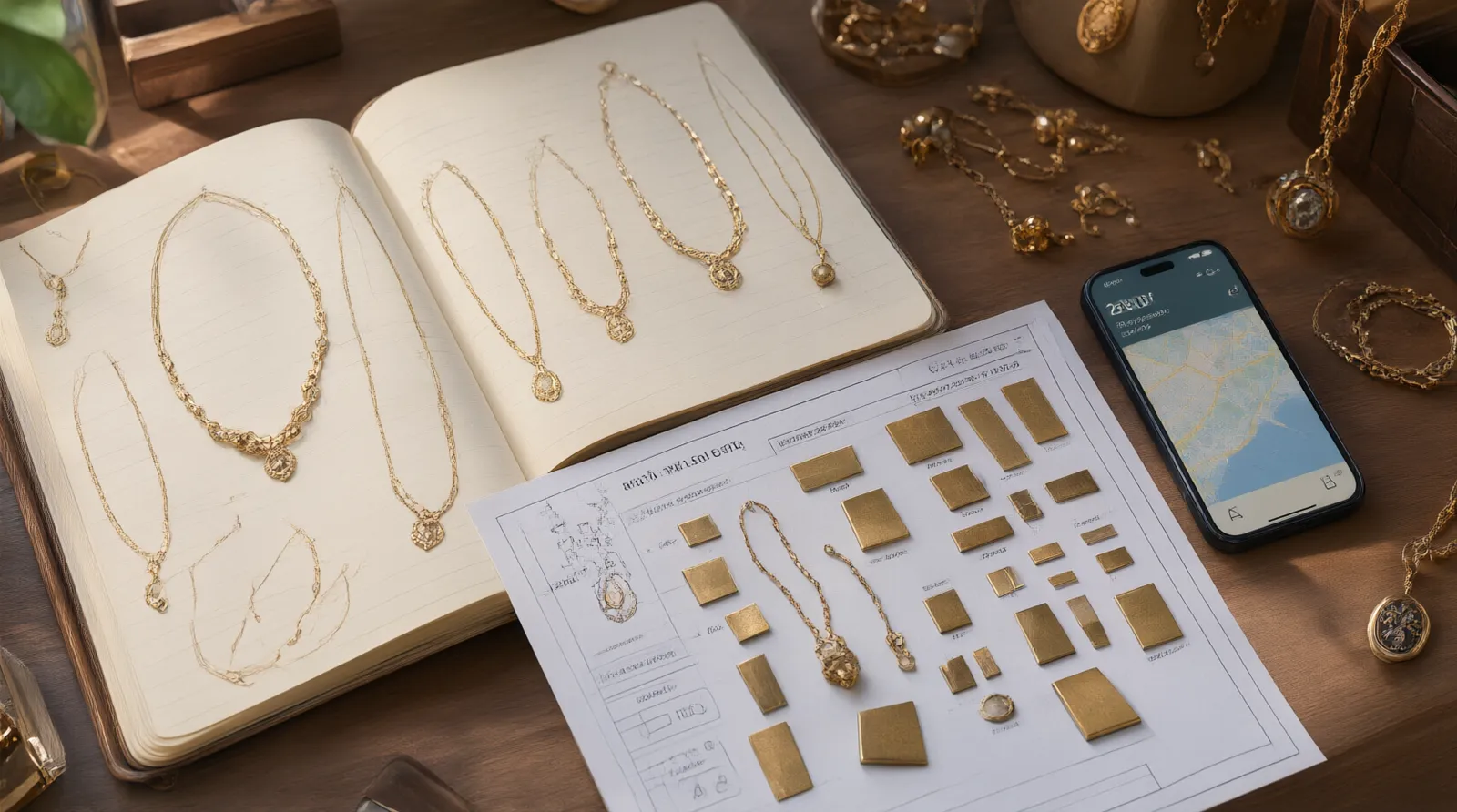
Moving From Research to Procurement
Understanding the mechanics of wholesale fashion jewelry transforms how you build your inventory. It shifts the focus from simply hunting for the lowest price to evaluating craftsmanship, material integrity, logistical reliability, and market alignment. For overseas buyers, DTC founders, and procurement teams, the goal is establishing a supply chain that delivers consistent, high-quality pieces tailored to your specific audience—whether that means securing the perfect gold-toned cuffs for a regional launch or locking in reliable lead times for a seasonal drop.
Your next step is to audit your current inventory gaps and define your exact material specifications. Once your requirements are documented, reach out to a vetted supplier to discuss MOQ tiers, request physical samples for quality verification, and map out a production timeline that aligns with your sales calendar.
[Contact the supplier] to request current catalogs, verify specific plating dimensions, and get a quote tailored to your procurement needs.
Frequently Asked Questions
What is jewelry wholesale fashion?
Jewelry wholesale fashion through STRAND means sourcing expertly vetted, crafted pieces—such as 18k gold-plated brass or 925 sterling silver designs with precise millimeter dimensions—directly for DTC stores and procurement teams. STRAND operates with clear MOQs starting at 50 units per style and reliable 3–4 week lead times, supported by flexible shipping options including air freight and DHL Express. For MENA buyers, STRAND curates modest, culturally resonant collections featuring rich gold tones and refined craftsmanship rather than bulk volume.
How to jewelry wholesale fashion?
To wholesale fashion jewelry through STRAND, DTC stores and procurement teams can source vetted, crafted pieces in 925 sterling silver or 18k gold-plated brass, with standard dimensions ranging from 16–20 inch chains and 8mm stud settings. Our minimum order quantity (MOQ) begins at 50 units per SKU, with a production lead time of 14–21 days before dispatch via DHL Express or sea freight for larger importer volumes. For MENA markets specifically, STRAND offers curated selections emphasizing modest layering lengths and rich gold tones to align with regional preferences.
Why is jewelry wholesale fashion important?
Wholesale fashion jewelry is essential for DTC stores and importers because it secures consistent access to vetted, crafted pieces—such as 18k gold-plated brass or 925 sterling silver—at reliable MOQs (typically 50–100 units) with predictable 3–4 week lead times. STRAND supports global procurement teams by offering curated collections, including modesty-aligned gold-tone designs for MENA markets, shipped via flexible air or sea freight options. This ensures your inventory maintains artisanal quality and precise dimensions without compromising on scale or delivery timelines.
When should I use jewelry wholesale fashion?
Use STRAND when sourcing vetted, crafted pieces—such as 18k gold-plated brass or 925 sterling silver—in dimensions suited for modest styling preferences across MENA and global DTC markets. Our wholesale fashion jewelry program supports importers and procurement teams with MOQs starting at 50 units per SKU and production lead times of 14–21 days. We ship via DHL Express or sea freight to ensure your inventory arrives reliably and ready for retail.
What are the benefits of jewelry wholesale fashion?
Sourcing through STRAND gives DTC stores and procurement teams access to vetted, crafted jewelry—such as 18k gold-plated brass or 925 sterling silver pieces (typically 16–20" chains with 8–12mm pendants)—at predictable wholesale pricing with MOQs starting at just 50 units. Our standard production lead time is 15–21 days, with flexible shipping via DHL Express or air freight tailored for importers across global markets, including MENA regions where modest designs and rich gold tones are prioritized. This ensures reliable, high-quality inventory planning without compromising on artisan-level craftsmanship.