
The Ultimate Guide to Sourcing Wholesale Western Jewellery
The Ultimate Guide to Sourcing Wholesale Western Jewellery
Wholesale western jewellery is the bulk procurement of contemporary, fashion-forward accessories—including rhinestone buckles, turquoise pieces, and boho-style items—sold directly from manufacturers or distributors to retail businesses at trade pricing. Source For direct-to-consumer (DTC) stores, importers, and procurement teams, buying these collections in volume secures the margins needed to compete while maintaining strict quality standards.
Retailers across North America, Europe, and the Middle East increasingly rely on curated wholesale channels rather than open-market bulk bins. The goal isn't simply acquiring inventory at a lower cost per unit. It's about securing vetted, crafted pieces that align with specific brand identities, whether that means anti-tarnish finishes for humid climates or modest, gold-toned designs tailored for MENA markets. Understanding how this supply chain operates prevents costly missteps during your next purchasing cycle.
STRAND approaches this market by prioritizing material integrity and precise craftsmanship over sheer volume. Buyers evaluating wholesale western jewellery need concrete data on dimensions, minimum order quantities, lead times, and shipping logistics before committing capital. This guide breaks down exactly what you need to evaluate, where the industry stands, and how to structure your procurement process for long-term success.
What Exactly Is Wholesale Western Jewellery?
The term "western" in this context refers to contemporary, globally influenced fashion jewellery rather than strictly traditional or regional ethnic designs. It encompasses a broad spectrum of aesthetics, from minimalist geometric pendants to statement boho accessories. Suppliers categorize 'Western' as a distinct product type for boutique store inventory, separating it from traditional cultural or heritage-specific lines. Source
Materials and Craftsmanship Standards
Quality wholesale western jewellery relies on specific base metals and plating techniques designed for longevity. Common materials include brass, stainless steel, and copper alloys, often finished with 14k or 18k gold plating, rhodium, or rose gold tones. For buyers targeting the Middle East and North Africa (MENA), gold-tone finishes are particularly relevant, aligning with cultural preferences for warm metallic hues while respecting modest styling norms that favor elegant, non-provocative silhouettes.
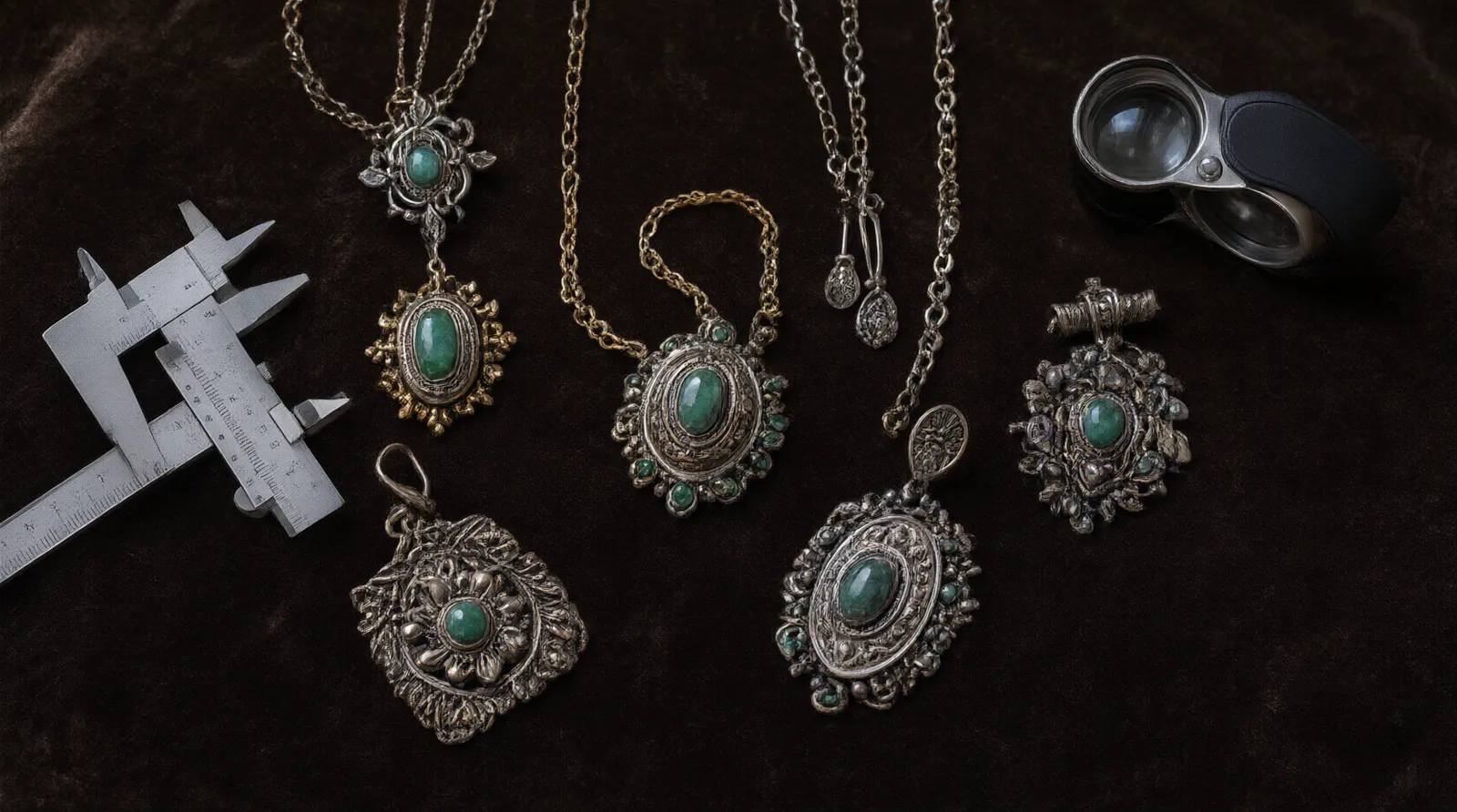
Gemstone integration is another defining feature. Collections frequently incorporate turquoise, amethyst, labradorite, and moonstone to create southwestern-inspired or bohemian aesthetics. Source When sourcing through STRAND, buyers should request exact specifications: plating thickness measured in microns (typically 1.0 to 2.5 microns for durable retail pieces), stone dimensions in millimeters, and total piece weight in grams. These metrics determine both the perceived value on the shelf and the shipping costs across borders.
Product Categories Available
The scope of available inventory is vast. A single comprehensive supplier catalog can list thousands of individual SKUs. For example, established wholesale platforms carry extensive inventories including over 1,700 rings, more than 1,000 pendants, hundreds of necklaces, and specialized items like earrings, bracelets, and bangles. Source Other dedicated online platforms offer upwards of 1,500 distinct styles specifically within their western jewellery categories. Source Procurement teams must narrow these options based on their specific retail demographic rather than attempting to stock everything.
How to Source and Buy Wholesale Western Jewellery
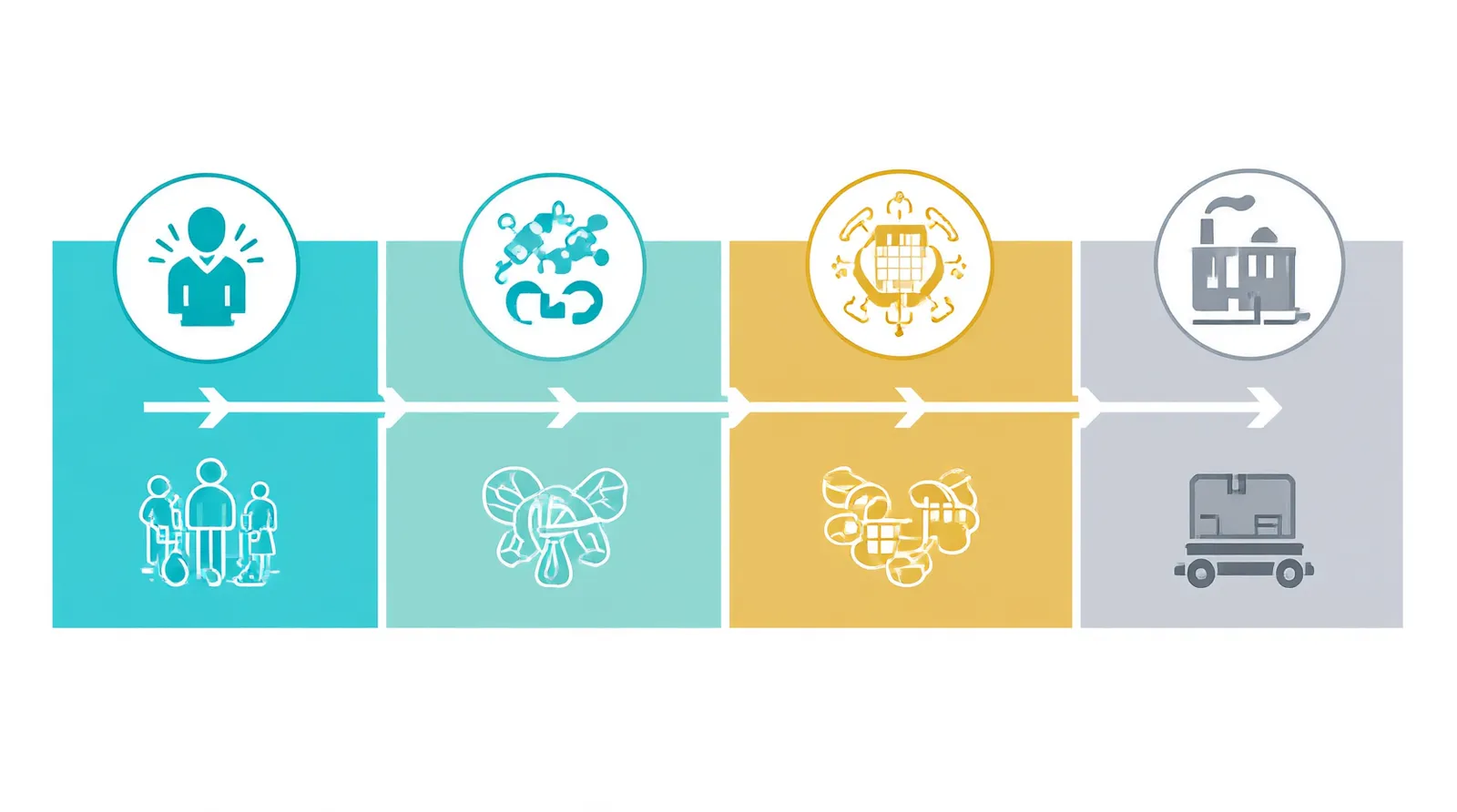
Procuring inventory requires a structured approach, especially for overseas buyers managing international freight and customs. The process moves from identifying manufacturing hubs to negotiating final delivery terms. For a deeper dive into vendor evaluation, review our guide on how to buy wholesale jewelry before initiating contact with overseas factories.
Identifying Reliable Manufacturing Hubs
Global production is heavily concentrated in specific regions. Suppliers in China dominate the manufacturing of wholesale western jewellery, with major industrial hubs located in Yiwu and Guangdong province. Source India also serves as a significant source, with dedicated online platforms operating specifically to connect domestic manufacturers with global buyers. Source When working with STRAND, verify the origin of the raw materials and the location of the finishing facilities, as these factors influence lead times and import duties.
Minimum Order Quantities (MOQ) and Pricing Tiers
Understanding financial thresholds is critical before initiating contact. Minimum order values vary significantly by supplier. Some Indian-based wholesalers require a minimum order value of ₹3,000 to process a wholesale transaction. Source On the international pricing side, wholesale tiers are often structured by unit cost, ranging from entry-level pieces priced up to USD 7.99 per unit, scaling upward to premium gemstone items exceeding USD 100 per unit. Source
For DTC stores and importers, always ask suppliers for a tiered pricing sheet. You need to know the exact price break when moving from 50 units to 500 units. Request clarity on whether the quoted [price] includes packaging or if custom branded boxes incur an additional tooling fee.
Evaluating Shipping and Lead Times
Overseas procurement demands strict logistical planning. Ask your supplier for the following concrete details before placing a purchase order:
- Production Lead Time: How many days from order confirmation to factory dispatch?
- Shipping Options: Are goods shipped via air freight (faster, higher cost) or sea freight (slower, economical for heavy brass/copper items)?
- Incoterms: Clarify if the quote is FOB (Free on Board) or EXW (Ex Works). This determines who bears the risk and cost once the jewellery leaves the factory floor.
Why Investing in Quality Wholesale Western Jewellery Matters
Retailers who treat jewellery procurement as a strategic investment rather than a simple expense build stronger customer loyalty. The importance of sourcing high-quality wholesale western jewellery comes down to three core business drivers: margin protection, brand reputation, and market adaptability.
Protecting Retail Margins
Buying at wholesale rates creates the necessary spread between your landed cost (product price + shipping + duties) and your retail price. However, if the initial quality is poor, return rates will erode those margins rapidly. Platforms that curate vetted, crafted pieces ensure that the inventory you receive matches the samples you approved. Social proof in this sector is substantial; major wholesale-focused accounts on Instagram have amassed followings exceeding 361,000 users, demonstrating the massive commercial interest and trust placed in verified wholesale distributors. Source Aligning with reputable suppliers protects your bottom line by reducing defect-related losses.
Building Brand Authority Through Curation
Customers recognize the difference between mass-produced, flimsy accessories and well-constructed jewellery. Features like anti-tarnish coatings and waterproof construction are no longer luxury add-ons; they are baseline expectations for modern consumers. Source By sourcing pieces that maintain their finish after weeks of daily wear, your retail brand builds authority. STRAND emphasizes this vetting process, ensuring every batch meets structural and aesthetic benchmarks before it ships.
Adapting to Cultural and Regional Demands
Why does this matter specifically for overseas buyers? Because aesthetic preferences dictate sales velocity. A retailer in Dubai requires different inventory than a boutique in Austin, Texas. Thematic categorization helps here. Distributors now organize inventory by trending themes, such as 'Outlaw Western' aesthetics for the American market, allowing buyers to target niche demographics precisely. Source For MENA markets, prioritizing modest designs with rich gold tones ensures cultural alignment, which directly translates to higher conversion rates on the shop floor.
When Should Retailers Use Wholesale Western Jewellery Channels?
Timing your procurement cycles correctly prevents both dead stock and missed revenue opportunities. There are specific scenarios where tapping into wholesale western jewellery networks is the most logical business move.
Launching or Expanding a DTC Brand
If you are launching a new direct-to-consumer jewelry line, ordering retail quantities from standard distributors destroys your margins before you even begin. Wholesale channels allow you to secure the initial inventory depth required to make a storefront look fully merchandised. Given the visual nature of the product, social media validation is key. The Instagram topic dedicated to western jewellery wholesale currently hosts more than 300 reels, indicating active, ongoing engagement from both buyers and sellers testing new products in real-time. Source Use this timing to test small wholesale batches, gauge audience reaction via short-form video, and scale orders based on actual data.
Seasonal Merchandising Shifts
Retailers should utilize wholesale channels 8 to 12 weeks before major seasonal shifts. If you are transitioning from lightweight summer chains to heavier, gemstone-centric autumn pieces—such as copper turquoise items, of which one major supplier lists 133 distinct variations—you need the lead time for manufacturing and ocean freight. Source Waiting until the season starts to place wholesale orders guarantees delayed arrivals and lost sales.
Replacing Underperforming Inventory
When specific SKUs stagnate, wholesale purchasing allows for rapid pivoting. Because you are buying at trade prices, you can afford to run clearance promotions on the old stock while simultaneously funding the acquisition of fresh, trend-aligned pieces without severely impacting cash flow. To execute this effectively, start by pulling sell-through reports from your point-of-sale system to identify items that have sat on shelves for more than 90 days without meeting your target turnover rate. Once identified, group these slow movers into bundled clearance offers—such as pairing an underperforming pendant with a fast-selling chain—to liquidate them faster and free up physical display space.
Next, use the freed-up capital to place targeted wholesale orders for replacement inventory that addresses the specific reasons the original items failed. If a line of heavy brass cuffs didn't sell because customers complained about weight, pivot immediately to hollow-core or aluminum-alloy alternatives offered by your wholesale partner. If a particular turquoise colorway looked dated, request updated swatches from your manufacturer featuring stabilized stones or synthetic alternatives that match current Pantone trends. Always order sample units of the replacement stock first; do not commit to a full pallet until you have physically inspected the clasp tension, plating consistency, and stone security against your quality checklist. Finally, map out a staggered rollout plan so the new inventory arrives just as the clearance sale peaks, ensuring your retail floor never looks sparse during the transition.
Core Benefits of Wholesale Western Jewellery for Buyers
Understanding the tangible advantages helps procurement teams justify wholesale expenditures to stakeholders. The benefits extend far beyond simple unit-cost reductions.
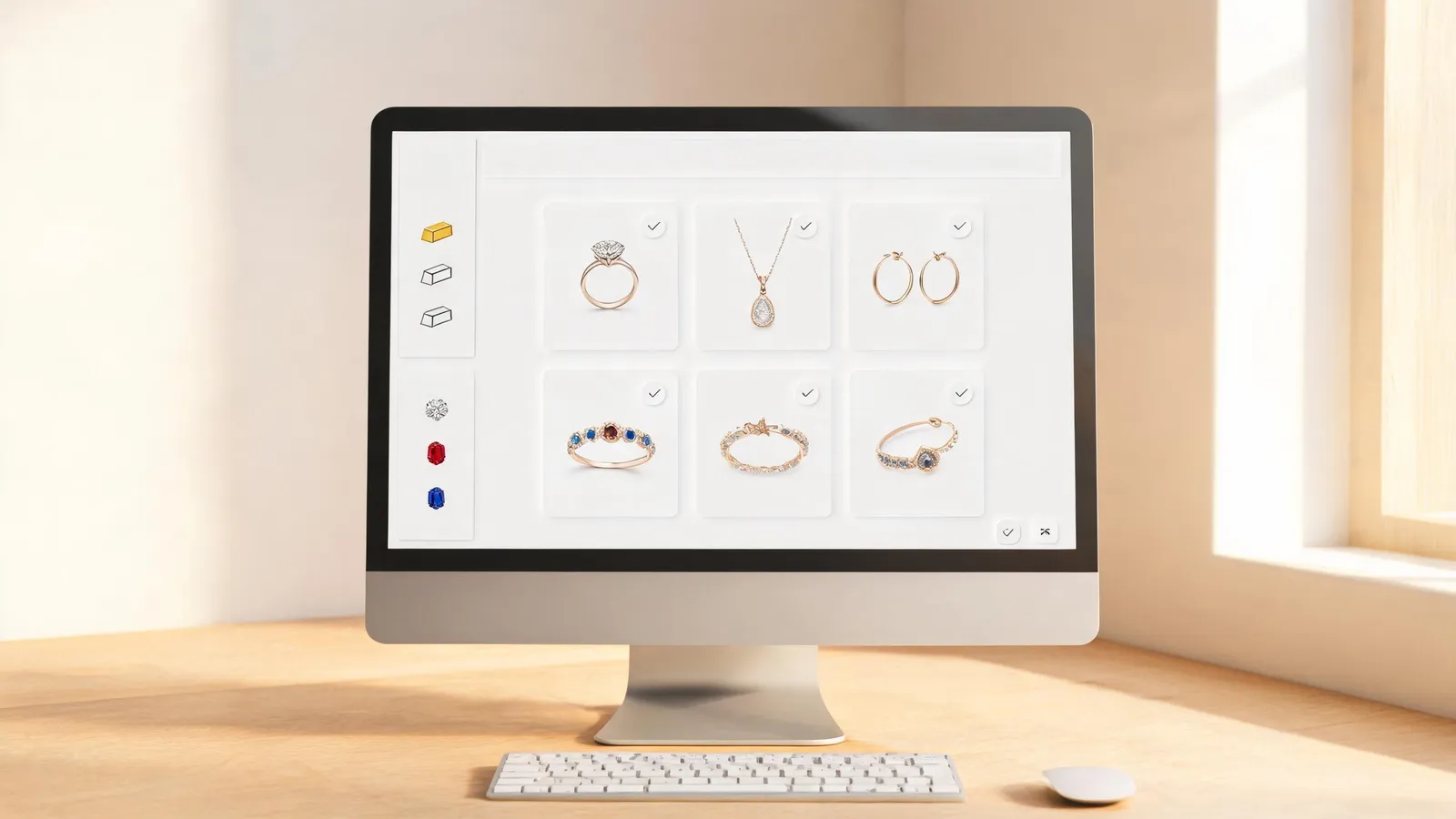
Access to Vetted, Crafted Inventory
Unlike unregulated open markets where quality fluctuates wildly between batches, dedicated wholesale partners provide consistency. You gain access to specialized items—like enamel-finished necklaces or brand-inspired trendy designs—that are manufactured to exact specifications. Source STRAND focuses on this exact benefit, ensuring that every piece entering your inventory has passed rigorous quality checks regarding clasp durability, stone setting security, and plating adhesion.
Streamlined Supply Chain Management
Working with a consolidated wholesale partner reduces the administrative burden of managing dozens of fragmented vendors. Instead of tracking twenty different shipments from twenty different factories, a unified wholesale order consolidates freight. This simplifies customs documentation, reduces overall shipping fees per unit, and provides a single point of accountability for warranty claims or returns.
Enhanced Customization Capabilities
Many wholesale manufacturers offer bespoke services for larger orders. This includes custom stamping your brand logo onto clasps, altering chain lengths by specific centimeter increments, or requesting exclusive colorways not available to the general public. These modifications transform generic wholesale western jewellery into proprietary brand assets, preventing direct price comparisons by your customers.
To leverage customization practically, buyers need to understand the operational constraints involved. Most factories require a separate Minimum Order Quantity (MOQ) for customized runs, typically starting at 100 to 300 units per SKU, compared to the lower thresholds for off-the-shelf catalog items. Requesting custom branding—such as laser-engraved logos on the back of pendants or bespoke packaging inserts—usually incurs a one-time setup or mold fee, followed by a per-unit cost premium that adds roughly 10% to 20% to the base wholesale price depending on the complexity of the modification.
Lead times are also directly impacted by bespoke requests. While standard catalog orders might ship within two to three weeks, adding custom plating colors, unique gemstone cuts, or branded hardware extends the production timeline by an additional 15 to 30 days, as the factory must source specific raw materials and schedule dedicated machine time outside its standard production runs. Before committing to a custom order, always request a physical prototype or pre-production sample. Reviewing a prototype allows your team to check the depth of the engraving, verify that the custom gold tone matches your brand guidelines, and ensure the modified chain length drapes correctly, preventing costly errors across an entire bulk shipment.
Procurement Criteria: What to Evaluate Before Contacting a Supplier
Buyers close to making a purchasing decision must evaluate suppliers against strict operational criteria. Do not commit funds until you have clear answers to the following dimensions.
Price Structure and Availability
Request a detailed line sheet. Verify if the listed [price] is static or subject to raw material fluctuations (especially relevant for silver or copper-heavy pieces). Confirm real-time availability. A supplier listing 270 turquoise items looks impressive, but you need to know how many units of each are actually sitting in the warehouse ready to ship versus requiring a new production run. Source
Quality Assurance and Warranty Terms
Ask specifically about defect allowances. What percentage of damaged goods is considered acceptable within the industry standard, and how does the supplier handle replacements? For plated jewellery, inquire about the expected lifespan of the finish under normal wear conditions and whether the manufacturer offers any warranty against premature tarnishing.
Returns and Resolution Protocols
International returns are logistically complex and expensive. Before ordering, establish the protocol for defective batches. Does the supplier issue credit toward future orders, or do they require physical return of the goods? Clear resolution protocols prevent disputes from stalling your cash flow months after delivery.

Finalizing Your Wholesale Strategy
Securing the right wholesale western jewellery inventory requires treating the procurement process with the same rigor as your retail marketing strategy. From verifying the micron thickness of gold plating to calculating the landed cost of ocean freight from Guangdong or Mumbai, every detail impacts your final margin. Focus on suppliers who prioritize crafted, vetted pieces over sheer volume, and always align your material choices—like selecting culturally appropriate gold tones for MENA buyers—with your target demographic's expectations. For broader insights into building a resilient supply chain, explore our resource on jewelry wholesale fashion sourcing.
Your next step is to audit your current inventory gaps and prepare a specific list of required SKUs, dimensions, and target price points. Build a standardized vendor scorecard that tracks each potential supplier's performance across lead times, defect rates, and responsiveness to custom requests. Use this scorecard during your initial outreach to signal to manufacturers that you operate with professional procurement standards, which often results in better pricing tiers and priority production scheduling. Once your requirements are documented and your evaluation framework is in place, reach out directly to initiate the vetting process.
[Contact the supplier] to request current catalogs, confirm minimum order quantities, and get a formal quote for your next collection.
Frequently Asked Questions
What is wholesale western jewellery?
Wholesale western jewellery refers to the B2B procurement of crafted, design-led pieces—such as sterling silver, 14k–18k gold-plated brass, and natural gemstones—sourced directly for DTC stores and importers. STRAND offers these vetted collections with clear specifications on dimensions and materials, typically requiring MOQs of 50–100 units per style and production lead times of 3–5 weeks. Finished orders are shipped globally via insured air freight or express courier, including curated gold-tone selections suited for MENA market preferences.
How to wholesale western jewellery?
To wholesale western jewellery through STRAND, DTC stores and procurement teams can access vetted collections in 925 sterling silver and 18k gold vermeil, with standard dimensions of 16–18" chains and MOQs starting at 50 units per SKU. Production lead times are typically 3–4 weeks, with shipping via DHL Express or sea freight tailored to your region, including MENA markets where we prioritize modest silhouettes and rich gold tones. Contact the STRAND wholesale team directly to request a detailed spec sheet and begin your curated order.
Why is wholesale western jewellery important?
Wholesale western jewellery is essential for DTC stores, importers, and procurement teams because it secures consistent access to crafted, vetted pieces—such as 925 sterling silver or 18k gold-plated brass—in reliable MOQs (typically 50–100 units) with predictable lead times of 4–6 weeks. STRAND ensures every design meets exact dimensional specifications while supporting flexible shipping options via air freight or sea cargo to match your inventory cycles. For MENA markets specifically, STRAND curates modest silhouettes in preferred gold tones, allowing buyers to source culturally resonant collections without compromising on craftsmanship.
When should I use wholesale western jewellery?
Procurement teams and DTC stores should source wholesale western jewellery from STRAND when stocking curated collections crafted in 925 sterling silver or 18k gold-plated brass, with standard dimensions ranging from 16–20 inch necklaces and 7-inch bracelets. STRAND requires a minimum order quantity (MOQ) of 50 vetted pieces per design, with a production lead time of 3–4 weeks and shipping options including DHL Express or sea freight. For MENA market buyers, STRAND offers culturally considered designs featuring modest silhouettes and rich gold tones suited to regional preferences.
What are the benefits of wholesale western jewellery?
Sourcing wholesale western jewellery through STRAND gives DTC stores and importers access to vetted, crafted pieces—such as 925 sterling silver or 18k gold-plated brass with precise millimeter dimensions—at scalable MOQs starting from 50 units per SKU. Production lead times run 3–4 weeks, supported by reliable air freight or sea shipping options tailored for global procurement teams. For MENA markets, STRAND specifically curates modest silhouettes and rich gold tones that align with regional preferences while maintaining artisan-level quality.