
The Ultimate Guide to Choosing a Stainless Steel Bracelet for Women
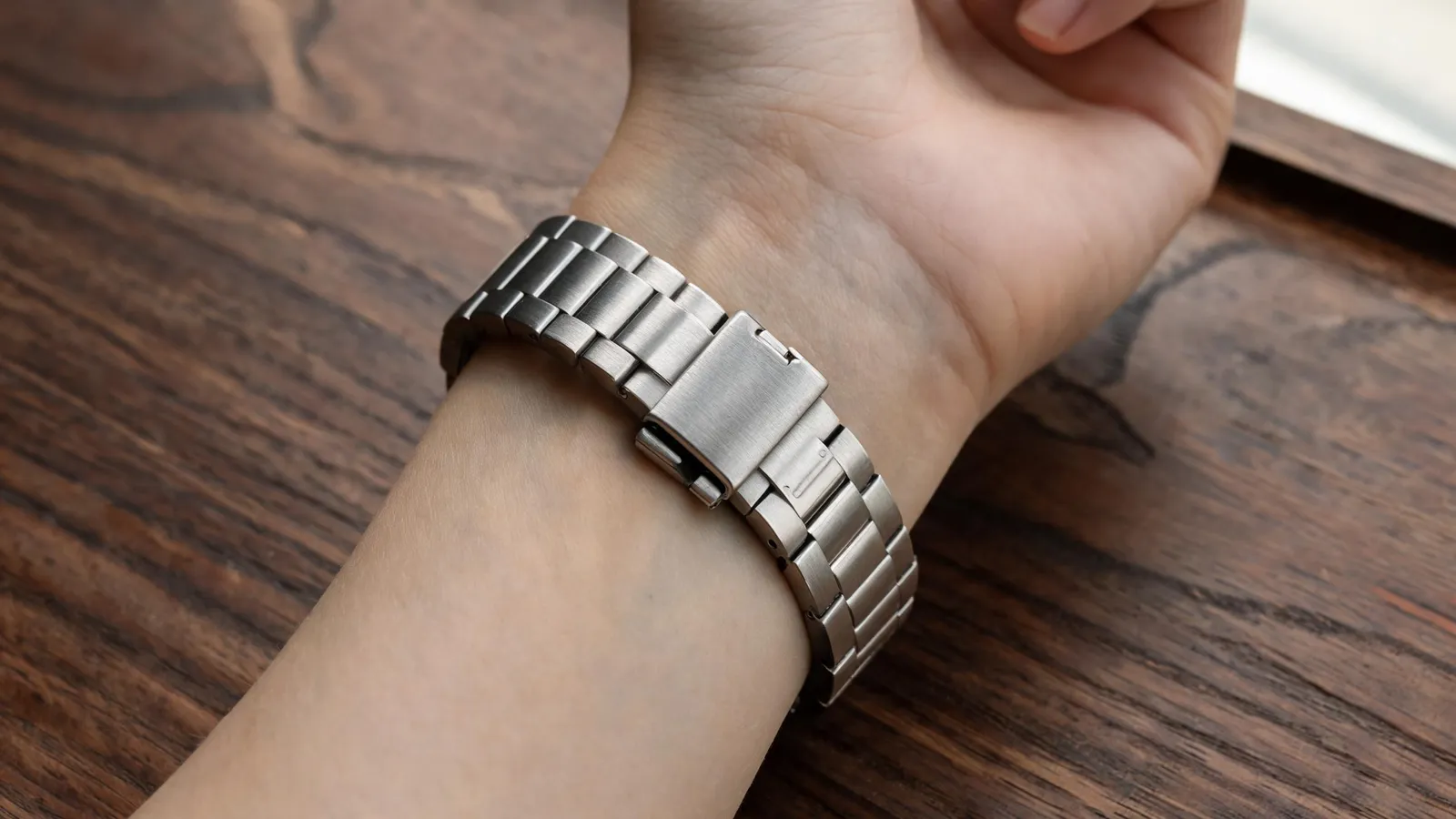
The Ultimate Guide to Choosing a Stainless Steel Bracelet for Women
A stainless steel bracelet chosen for daily wear or retail inventory is a corrosion-resistant wrist accessory crafted from an iron-chromium alloy, typically 316L surgical grade. It combines structural durability with refined aesthetics, resisting tarnish, scratching, and moisture damage far better than plated base metals.
For overseas jewelry buyers, DTC store owners, and procurement teams sourcing new collections, understanding the material science behind these pieces separates vetted inventory from disposable stock. A well-crafted stainless steel bracelet offers a high perceived value without the volatility of precious metal pricing. This guide breaks down the metallurgy, design applications, styling contexts, and specific procurement criteria—such as dimensions, lead times, and quality assurance—buyers need to evaluate before finalizing an order.
What Exactly Is a Stainless Steel Bracelet for Women?
At its core, the steel used in fine jewelry is not the same alloy found in construction beams or kitchen sinks. Jewelry-grade stainless steel is predominantly 316L, often referred to as marine or surgical grade. The "L" stands for low carbon, which prevents carbide precipitation during welding or shaping, ensuring the metal remains structurally sound and highly resistant to corrosion.
The Metallurgy Behind the Metal
The defining characteristic of this material is its chromium content, which must be at least 10.5%. When exposed to oxygen, chromium forms a microscopic, self-healing passive layer of chromium oxide on the surface. If the bracelet gets scratched, this invisible layer instantly reforms, preventing rust. For importers and DTC retailers, this translates directly to lower return rates due to tarnishing—a common failure point with brass or copper-alloy jewelry plated in gold or silver.
Design Versatility in Women's Collections
While the base material is uniform, the execution varies widely. A stainless steel bracelet might feature a sleek, minimalist bangle, a heavy Cuban link chain, or an intricate mesh design. STRAND approaches this material not as a budget alternative, but as a deliberate canvas for crafted designs. The metal accepts various finishes, including high-polish mirror shines, satin brushing, and matte textures. It also serves as an excellent foundation for PVD (Physical Vapor Deposition) coating, allowing brands to offer durable 18k gold or rose gold tones that do not flake off after weeks of wear.
When evaluating inventory, buyers should note how the steel interacts with other elements. For a deeper dive into mixed-material designs, check out our guide on the Vintage Gemstone Cuban Chain Bracelet-Orange — STRAND (СТРЭНД), which demonstrates how rugged chain links can be paired with vibrant gemstones to create a striking contrast.
Why Choosing Stainless Steel Matters for Your Inventory
Procurement teams and boutique owners constantly weigh material costs against customer satisfaction. The decision to stock a stainless steel bracelet intended for daily wear hinges on three factors: longevity, hypoallergenic properties, and market positioning.
Hypoallergenic Reliability
Nickel allergies affect a significant portion of the global population. While some lower grades of stainless steel contain nickel, 316L surgical steel contains such trace amounts—bound tightly within the alloy matrix—that it rarely triggers contact dermatitis. For DTC stores marketing to health-conscious consumers or those with sensitive skin, this is a critical selling point. Positioning your collection as hypoallergenic builds immediate trust.
Durability That Protects Margins
Jewelry returns are expensive. Shipping costs, restocking labor, and damaged brand reputation erode margins quickly. Unlike silver, which oxidizes and requires constant polishing, or gold-plated brass, which eventually reveals the base metal beneath, steel maintains its integrity. A customer can wear a stainless steel bracelet in the shower, at the gym, or in humid climates without degradation. This reliability makes it a cornerstone piece for any curated retail collection. To understand how these durability principles apply across your entire catalog, review our stainless steel jewelry supplies guide for broader sourcing insights.
Cultural Considerations for MENA Markets
For importers targeting Middle Eastern and North African (MENA) markets, material choice intersects with cultural preferences. Gold tones are deeply favored in these regions, symbolizing prosperity and tradition. However, solid gold carries extreme price volatility. High-quality PVD-coated stainless steel provides the exact warm, rich gold aesthetic required by these markets while maintaining modesty in pricing and weight. Exploring regional catalog variations, such as the Vintage Gemstone Cuban Chain Bracelet-Orange — STRAND (ستراند), reveals how tailored presentations resonate with specific cultural demographics.
How to Style and Wear a Stainless Steel Bracelet
Understanding how the end consumer wears the product dictates how a buyer should merchandise it. A stainless steel bracelet is rarely worn in isolation; it is part of a broader visual language.
Layering and Stacking Dynamics
Stacking remains a dominant trend in women's jewelry. Because steel is incredibly strong, it acts as the structural anchor in a stack. Consumers frequently pair a rigid steel cuff with softer elements like woven textiles, leather bands, or delicate gold chains. Procurement teams should consider stocking complementary widths—ranging from 2mm micro-chains to 8mm statement links—to encourage multi-piece purchases.
Matching Finishes to Wardrobes
- High-Polish Silver Tone: Pairs seamlessly with cool-toned wardrobes, winter whites, and professional office attire.
- PVD Gold Tone: Essential for warm palettes, evening wear, and markets where gold is the default standard.
- Brushed/Matte Finish: Appeals to minimalist, contemporary aesthetics, hiding micro-scratches better than mirrored surfaces.
Buyers should ensure their supplier offers consistent finish batches. A "gold tone" from one production run must perfectly match the next, or stacking sets will look disjointed on the retail shelf.
When Should You Source or Wear Stainless Steel?
The timing for introducing steel jewelry into a collection—or recommending it to a client—depends on both seasonal demands and use-case scenarios.
Active and Travel Lifestyles
For consumers who travel frequently or maintain active lifestyles, precious metals pose a security risk and a maintenance burden. A stainless steel bracelet packed for a tropical vacation will not react to saltwater or sunscreen. Retailers operating in coastal regions, resort towns, or travel-focused niches find that steel inventory moves significantly faster during peak summer months compared to delicate, porous materials like pearls or untreated silver.
Year-Round Core Inventory
Unlike trend-driven acrylics or seasonal colors, a well-designed steel bracelet functions as evergreen core inventory. Buyers do not need to discount these heavily at the end of a season. The material’s inherent neutrality means a 6mm curb chain purchased in January sells just as effectively in July. When planning open-to-buy budgets, allocating capital to steel basics stabilizes cash flow across quarters.
Key Benefits of a Stainless Steel Bracelet for Women
When presenting this category to stakeholders or writing product descriptions for your DTC storefront, focus on concrete advantages rather than vague marketing terms.
Tensile Strength and Weight
Steel possesses high tensile strength, meaning links and clasps resist snapping under tension. However, 316L is also surprisingly comfortable. A standard 7-inch women's chain bracelet typically weighs between 15 and 30 grams, depending on the link profile. This provides enough physical presence to feel substantial on the wrist without causing fatigue during all-day wear. Always request exact gram weights from your supplier to calculate shipping costs accurately.
Low Maintenance Requirements
Retail staff spend less time educating customers on care routines. There is no need for specialized polishing cloths or chemical dips. Warm water and mild soap restore the original luster instantly. This low-maintenance profile increases customer satisfaction post-purchase.
Sustainable Sourcing Angles
Stainless steel is 100% recyclable. Many modern alloys contain up to 60% recycled scrap metal. For brands building an eco-conscious narrative, sourcing recycled steel bracelets provides verifiable sustainability claims without compromising on luxury or durability.
Procurement Criteria: Evaluating Suppliers and Placing Orders
For DTC stores, importers, and procurement teams, selecting the right manufacturer requires moving beyond basic aesthetics. The following evaluation dimensions determine whether a supplier aligns with your operational needs.
Materials and Specifications
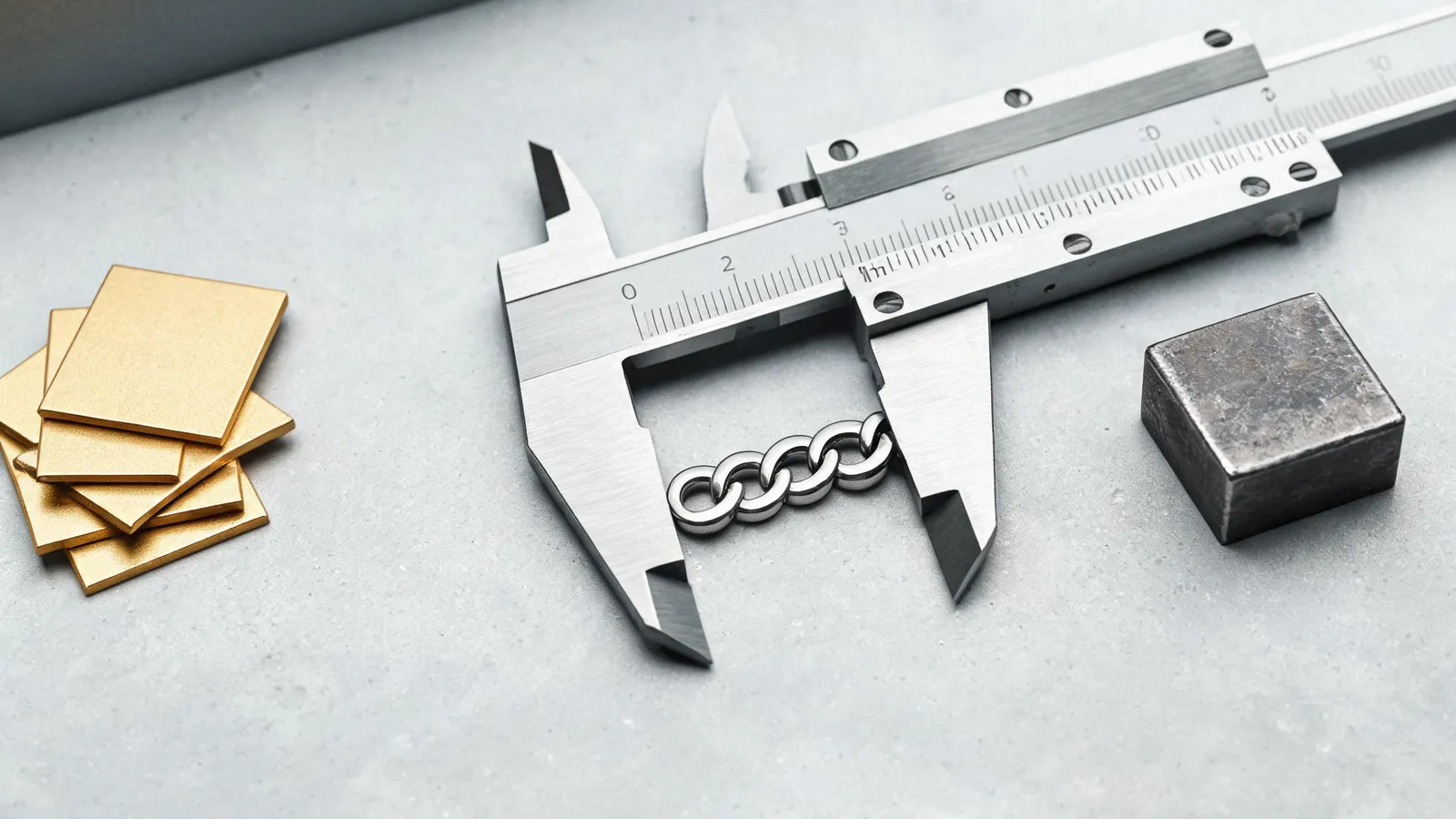
Never accept "stainless steel" as a complete description. Require documentation specifying 316L surgical grade. Ask for details on plating thickness if ordering gold or rose gold variants. Quality PVD coatings should measure between 0.5 and 2.0 microns to ensure longevity. Request spec sheets detailing exact dimensions: inner circumference (standard women's sizes range from 16cm to 19cm), link width, and total weight. These specifications closely mirror what you should demand when sourcing a stainless necklace chain to ensure consistency across your entire jewelry line.
Minimum Order Quantities (MOQ)
STRAND positions itself as a crafted, vetted source rather than a bulk commodity distributor. MOQs for artisanal or highly finished steel jewelry differ vastly from mass-produced fast-fashion items. Buyers should inquire about tiered MOQ structures—for example, lower minimums for initial sampling runs versus higher thresholds for continuous replenishment orders. Clarify whether MOQs apply per style, per colorway, or per total order volume.
Lead Times and Production Schedules
Production schedules fluctuate based on factory capacity and raw material availability. Standard lead times for custom-finished steel jewelry often span several weeks from deposit to dispatch. Map these timelines backward from your intended launch date. If you require goods for a specific seasonal campaign, initiate conversations with suppliers well in advance to secure production slots.
Shipping Options and Logistics
Evaluate the supplier's freight capabilities. Do they offer DDP (Delivered Duty Paid) shipping, which simplifies customs clearance for the buyer, or EXW (Ex Works), requiring you to manage international freight forwarding? Air freight is faster but costlier for heavier steel shipments; sea freight reduces unit costs but extends transit times. Confirm packaging standards—individual poly bags, branded boxes, or bulk trays—to prevent transit scratches.
Quality Assurance, Warranty, and Returns
Establish clear defect tolerances before production begins. What constitutes a rejectable flaw? Scratches exceeding a certain length, uneven PVD coloring, or stiff clasp mechanisms should have defined parameters. Inquire about warranty policies covering manufacturing defects post-delivery. A reliable supplier will outline a straightforward return or credit process for goods failing quality inspection upon arrival. Marketplaces have evolved significantly since early e-commerce platforms first launched—eBay Inc. copyright spans the years 1995-2026—and modern B2B buyers now expect transparent, standardized trade protections similar to established retail norms.
Pricing Structure
Avoid framing steel jewelry purely on low cost. Price should reflect the craftsmanship, finishing techniques, and quality control applied. Request itemized quotes separating the base metal cost, finishing/labor fees, and packaging expenses. This transparency allows procurement teams to identify where value is being added and where costs can be optimized without sacrificing the final product's integrity.
Next Steps for Sourcing Your Collection
Selecting the right stainless steel bracelet—one your customers will love and that performs reliably in your retail environment—requires balancing metallurgical facts with commercial strategy. By prioritizing 316L surgical steel, verifying PVD micron counts, and establishing clear logistics and quality protocols with your supplier, you build an inventory foundation that minimizes returns and maximizes customer loyalty.
Review your current assortment gaps. Identify whether your customers need everyday minimalist cuffs, layered stacking chains, or culturally resonant gold-tone statement pieces. Once you define the specifications, dimensions, and target price points, reach out to vetted manufacturers who treat steel as a premium medium.
To expand your knowledge on integrating mixed materials into your steel collections, read our article on the Vintage Gemstone Cuban Chain Bracelet-Orange — STRAND (СТРЭНД).
Ready to review specifications, discuss lead times, or request samples for your next collection? [Contact the supplier] to get a quote and check availability today.
Frequently Asked Questions
What is stainless steel bracelet women?
A STRAND women’s stainless steel bracelet is a crafted accessory made from hypoallergenic 316L stainless steel, typically offered in 16–20 cm lengths with PVD plating options including 18k gold tones suited for MENA markets. For procurement teams and DTC retailers, STRAND requires a minimum order quantity (MOQ) of 50 pieces per design, with a standard production lead time of 15–20 days. Finished orders ship globally via DHL or FedEx express freight to ensure secure, trackable delivery.
How to stainless steel bracelet women?
STRAND crafts women’s stainless steel bracelets from hypoallergenic 316L stainless steel, available in 6–7.5 inch adjustable lengths with premium PVD plating—particularly 18k gold tones suited for MENA markets where modest, durable elegance is preferred. Our minimum order quantity (MOQ) is 100 units per SKU, with a standard production lead time of 25–30 days before dispatch via DHL Express or sea freight for larger DTC and importer orders. Each piece is individually vetted for finish and clasp integrity, ensuring STRAND delivers crafted quality rather than bulk commodity jewelry.
Why is stainless steel bracelet women important?
Stainless steel bracelets for women are essential to any curated assortment because 316L surgical-grade stainless steel offers superior tarnish resistance, hypoallergenic wear, and lasting durability that discerning retail buyers demand. STRAND crafts these bracelets in versatile widths (4mm–8mm) with PVD plating options—including culturally preferred gold tones ideal for MENA markets—available at MOQs of 100 pieces per SKU with a 25-day production lead time. Finished goods ship via DHL Express or FOB sea freight, ensuring vetted, crafted quality reaches DTC stores and importers reliably.
When should I use stainless steel bracelet women?
STRAND women’s stainless steel bracelets (316L surgical-grade, 6–7.5 inches adjustable, available in PVD gold-tone plating ideal for MENA markets) are suited for everyday retail assortments due to their hypoallergenic durability and tarnish resistance. Procurement teams should specify these vetted pieces for core collections, with MOQs starting at 200 units per SKU and production lead times of 25–30 days. Finished orders ship via DHL Express or air freight to ensure reliable delivery to DTC storefronts and importers globally.
What are the benefits of stainless steel bracelet women?
STRAND women’s stainless steel bracelets are crafted from hypoallergenic 316L stainless steel, offering exceptional tarnish resistance and long-term durability for DTC retail collections. Available in polished silver or PVD-coated gold tones—ideal for MENA markets favoring modest, enduring gold finishes—these pieces come in standard widths of 4–8mm with adjustable lengths from 170–200mm. Procurement teams can expect MOQs starting at 300 units per SKU, a 35–45 day production lead time, and flexible shipping via DHL Express or sea freight to suit your import schedule.