
Sourcing Wholesale Bracelets: A Guide to Profitable Margins

Sourcing Wholesale Bracelets: A Guide to Profitable Margins
Profitable jewelry retail rarely starts with a single stunning piece; it starts with a supply chain that supports healthy margins and consistent quality. For DTC stores and importers, sourcing wholesale bracelets is the mechanism that transforms artistic appreciation into a viable business model, typically unlocking margins between 50% and 70% when Minimum Order Quantities (MOQ) and vetting criteria are met. Success in this category depends less on finding the lowest price and more on verifying material integrity, production lead times, and cultural relevance for your target market.
For overseas buyers and procurement teams, navigating the wholesale landscape requires a shift from transactional purchasing to strategic partnership. The difference between a stagnant inventory and a high-turnover collection often lies in the initial sourcing phase. Buyers must evaluate suppliers based on craftsmanship documentation, shipping reliability, and return policies rather than glossy catalog images alone. When sourcing bracelets for international markets, particularly in regions like MENA where gold tones and modesty-conscious designs carry specific cultural weight, the vetting process becomes even more critical. Understanding these nuances prevents costly mismatches between product offerings and consumer expectations.
Defining Wholesale Bracelets in Modern Procurement
What Is Wholesale Bracelets Beyond Bulk Pricing?
The term "wholesale bracelets" extends far beyond simple volume discounts. In professional jewelry procurement, it refers to a B2B transaction structure where the buyer assumes responsibility for retail distribution in exchange for preferential pricing and access to curated collections. Unlike fast-fashion bulk buying, true wholesale in the crafted jewelry sector involves direct engagement with production standards. For example, when evaluating a piece like the Vintage Gemstone Cuban Chain Bracelet-Red — STRAND, a wholesale buyer isn't just purchasing red stones; they are acquiring verified material specifications, plating thickness guarantees, and authenticated origin data that supports premium retail positioning.
Distinguishing Crafted Wholesale from Mass Production
Overseas buyers must differentiate between mass-produced commodities and vetted artisanal wholesale. Mass production prioritizes speed and uniformity, often resulting in lower durability and higher return rates due to clasp failures or plating wear. Vetted wholesale suppliers like STRAND focus on batch consistency and material longevity. This distinction matters significantly for DTC brands building long-term customer loyalty. A wholesale partner should provide detailed spec sheets covering alloy composition, gemstone treatment disclosures, and quality control checkpoints. Without this transparency, "wholesale" is merely a label for cheap goods rather than a viable business strategy.
Strategic Timing: When to Source Wholesale Inventory
Aligning Procurement with Retail Calendars
Knowing when to use wholesale bracelets is as important as knowing what to buy. Jewelry demand follows cyclical patterns tied to gifting seasons, cultural celebrations, and fashion shifts. Smart procurement teams work backward from peak selling periods, accounting for manufacturing lead times and international shipping buffers. For instance, sourcing for Ramadan or Eid collections in MENA markets requires placing orders months in advance to accommodate both production schedules and potential customs delays. Buying during off-peak manufacturing windows can sometimes yield better allocation priority or expedited processing, whereas ordering during global trade show peaks may result in extended lead times.
Inventory Lifecycle Management
Timing also relates to product lifecycle stages. Introducing new bracelets via wholesale channels works best when you have sufficient runway to test market response before committing to deeper reorders. Seasonal transitions present ideal windows for testing new SKUs without risking dead stock. Conversely, core evergreen styles should be secured through standing wholesale agreements to prevent stockouts during high-velocity periods. Buyers should maintain a rolling forecast that triggers reorder points based on sell-through velocity rather than arbitrary calendar dates. This data-driven approach prevents the common pitfall of overbuying trending items that lose relevance before shipment arrival.
The Business Case: Why Wholesale Bracelets Matter
Margin Architecture and Financial Viability
Why is wholesale bracelets important for sustainable retail? The answer lies in margin architecture. Retail markup on jewelry typically requires a 2.5x to 3x multiplier over landed cost to cover marketing, operations, and profit. Wholesale pricing structures make this math possible. When a retailer purchases at true wholesale rates, they preserve the margin buffer needed for promotional flexibility and customer acquisition costs. Direct-to-consumer brands attempting to source at near-retail prices from unauthorized resellers inevitably face margin compression that undermines long-term viability. Legitimate wholesale relationships protect this financial foundation.
Supply Chain Reliability and Brand Trust
Beyond economics, wholesale partnerships provide supply chain predictability that spot-market buying cannot offer. Established wholesale suppliers maintain consistent quality benchmarks across batches, which is essential for brand reputation. Customers expect the same clasp tension, color saturation, and finish quality whether they purchase in January or July. This consistency only comes from vetted wholesale relationships where production standards are contractually understood. For overseas importers, this reliability reduces the risk of customs holds due to misdeclared materials and minimizes customer service burdens related to defective merchandise.
Tangible Benefits of Professional Wholesale Sourcing
Access to Curated and Exclusive Designs
One primary benefit of wholesale bracelets is access to curated selections unavailable through open marketplaces. Suppliers like STRAND develop exclusive designs that protect retailers from direct price comparison with mass-market platforms. This exclusivity allows DTC stores to build differentiated assortments that command premium positioning. Curated wholesale collections are typically developed with trend forecasting and material expertise that individual buyers cannot replicate independently. For buyers targeting specific aesthetics, such as vintage-inspired gemstone pieces, specialized wholesale partners provide coherent collections rather than disjointed random finds.
Scalability Without Capital Overextension
Wholesale models enable scalable growth by aligning inventory investment with proven demand. Instead of funding full production runs, buyers leverage supplier capacity through MOQ-based commitments. This reduces capital exposure while maintaining access to professionally manufactured goods. Many wholesale suppliers offer tiered pricing that rewards volume growth, allowing successful retailers to improve margins as they scale. Additionally, established wholesale relationships often include flexible terms for reorders, sample programs for market testing, and collaborative forecasting that further de-risks expansion. These structural advantages separate sustainable jewelry businesses from hobbyist ventures.
How to Wholesale Bracelets: A Buyer’s Evaluation Framework
Material Verification and Specification Standards
How to wholesale bracelets effectively begins with rigorous material verification. Never accept vague descriptions like "gold-plated" or "natural stone" without supporting documentation. Request specific plating micron thickness, base metal composition, and gemstone treatment reports. For culturally sensitive markets, verify that gold-tone finishes meet regional preferences and that materials comply with local import regulations regarding nickel content or restricted substances. Suppliers confident in their craft will readily provide these details. If a supplier hesitates or offers generic assurances instead of technical specifications, treat this as a significant red flag. Cross-reference product claims against third-party testing when order values justify the expense.
Evaluating MOQ, Lead Time, and Shipping Logistics
Minimum Order Quantities vary significantly between suppliers and should align with your sales velocity and storage capacity. High MOQs may offer better unit economics but increase cash flow risk if sell-through underperforms. Conversely, low-MOQ suppliers might charge premiums that erode margins. Evaluate MOQ tiers against historical sales data for similar bracelets. Equally critical is lead time transparency. Ask for production timelines separate from shipping estimates, and clarify whether quoted lead times account for raw material availability. For overseas buyers, understand Incoterms clearly—know exactly where liability transfers and who handles customs clearance. Shipping options should include tracking and insurance provisions, especially for high-value jewelry shipments.
Quality Assurance and Return Policy Clarity
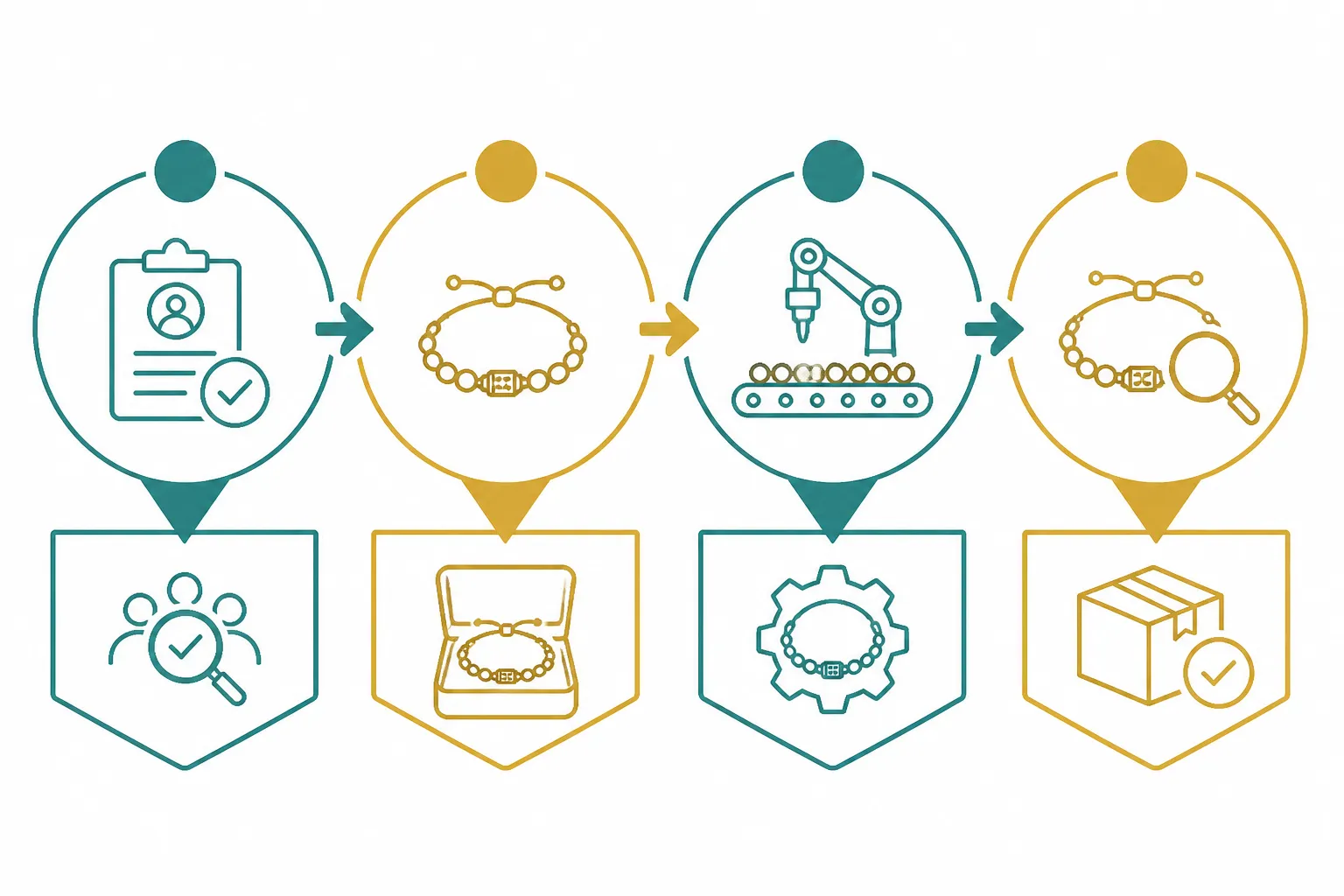
Quality assurance protocols distinguish reliable wholesale partners from risky ones. Ask about pre-shipment inspection processes, acceptable defect rates, and remediation procedures for non-conforming goods. A professional supplier will have documented QC checkpoints and willingness to share inspection reports. Return policies for wholesale transactions differ fundamentally from B2C returns. Understand restocking fees, return windows, and conditions for credit versus refund. Clarify who bears return shipping costs for defective versus unwanted merchandise. These terms should be agreed upon before the first order, not negotiated after problems arise. For comprehensive evaluation criteria across categories, refer to The Complete Buyer's Guide to Jewellery Accessories Wholesale which covers broader accessory procurement considerations.
Cultural Considerations for International Markets
Design Sensitivity for MENA and Conservative Markets
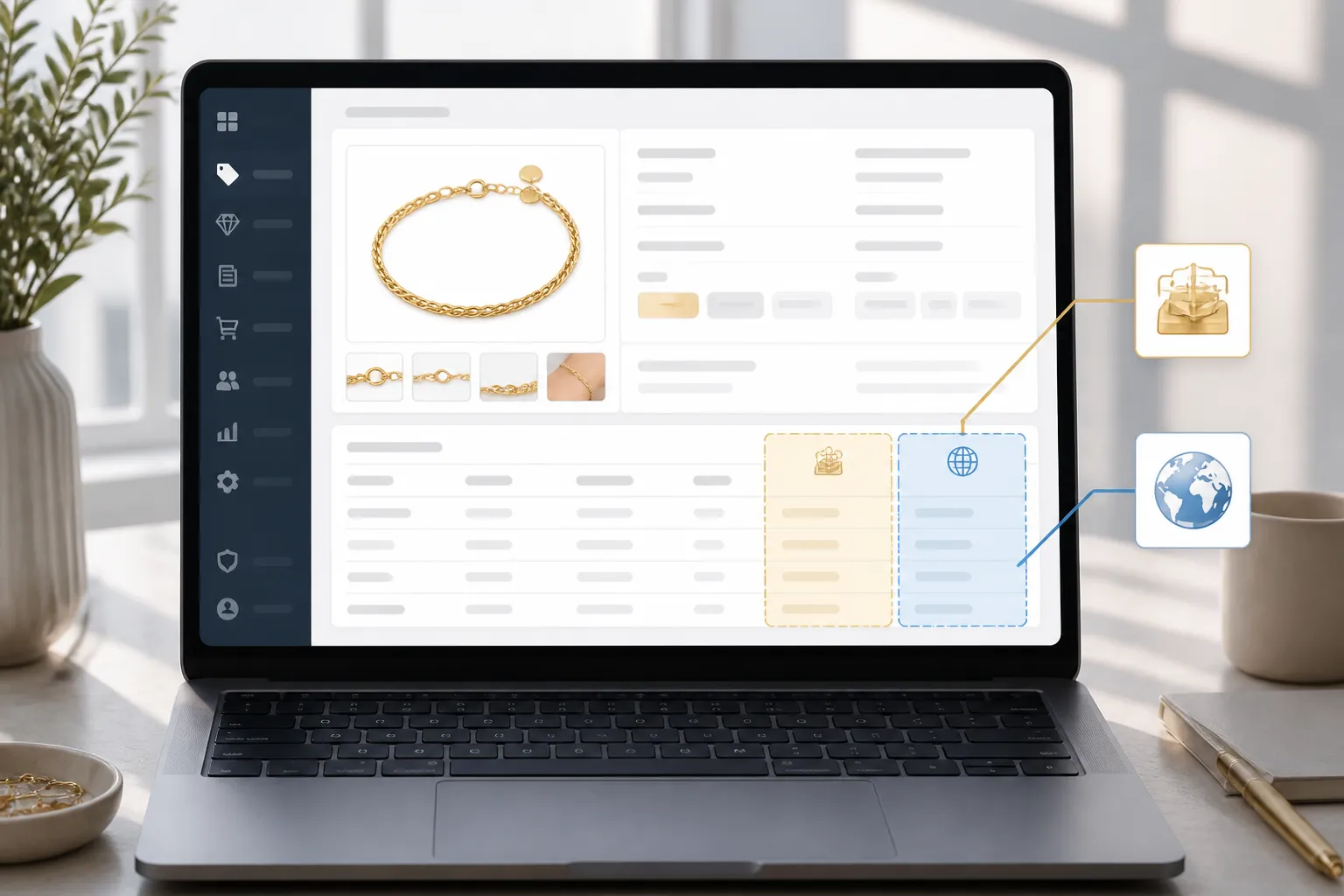
Overseas buyers serving Middle Eastern and North African markets must prioritize cultural alignment in wholesale selection. Gold-tone finishes traditionally hold stronger appeal than silver in many MENA segments, reflecting both aesthetic preference and perceived value retention. Modesty considerations influence bracelet styling preferences; adjustable closures and comfortable fits for wearing over sleeves matter more than delicate chains designed for bare wrists. Vintage-inspired pieces with substantial presence, such as Cuban chain styles with gemstone accents, often resonate better than minimalist trends popular in Western markets. Understanding these nuances prevents inventory mismatches that no amount of marketing can overcome.
Communication and Relationship Building
International wholesale relationships thrive on clear, respectful communication that acknowledges cultural business norms. Response time expectations, negotiation styles, and decision-making hierarchies vary across regions. Invest time in understanding your supplier's communication preferences and business culture. Written confirmations of verbal agreements prevent misunderstandings across language barriers. Regular check-ins during production cycles demonstrate commitment and often yield better service than transactional interactions limited to order placement. Building genuine relationships with wholesale suppliers creates advocates who prioritize your orders during capacity constraints and proactively communicate potential issues before they become crises.
Moving From Research to Procurement Action
Sourcing wholesale bracelets successfully requires disciplined evaluation across materials, logistics, quality, and cultural fit. To operationalize the framework discussed above, create a weighted supplier scorecard before requesting samples. Key scoring categories should include material transparency (e.g., provision of micron plating specs and alloy certificates), communication responsiveness (measured by turnaround time on technical queries), and logistical clarity (Incoterms proficiency and insurance coverage). Assign numerical weights to each category based on your business priorities; for a DTC brand focused on premium positioning, material verification might carry 40% weight, while for a high-volume marketplace seller, lead time reliability might dominate. This quantitative approach removes subjective bias from vendor selection and creates an audit trail for future procurement decisions.
Sample evaluation must go beyond visual inspection to include functional stress testing relevant to your end customer. When assessing bracelet samples, conduct a clasp cycle test (opening and closing 50+ times to check for spring fatigue), perform a wear simulation using abrasive fabric to test plating adhesion, and verify color accuracy under multiple lighting conditions including natural daylight and warm retail LED. Document findings in a standardized sample review form that includes pass/fail criteria established before testing begins. Request samples from at least three shortlisted suppliers simultaneously to enable direct comparison under identical testing conditions. Only after samples meet all technical benchmarks should you proceed to negotiate bulk terms, ensuring that approved sample specifications are explicitly referenced in your purchase order to prevent quality drift during mass production.
Ready to evaluate a vetted wholesale partner specializing in crafted vintage-inspired jewelry? Review current availability, request detailed material specifications, and discuss MOQ options tailored to your market needs. [Contact STRAND for wholesale inquiries] to begin your procurement evaluation with a supplier aligned to quality-focused international buyers.
Frequently Asked Questions
What is wholesale bracelets?
Wholesale bracelets from STRAND are curated, crafted collections available to overseas buyers with verified material specifications, precise dimensions, and transparent MOQs tailored for DTC stores and importers. Orders include confirmed lead times and flexible shipping options, positioning the inventory as vetted quality rather than bulk fast fashion. This approach ensures procurement teams receive consistent, culturally appropriate designs suitable for discerning international markets.
How to wholesale bracelets?
To wholesale with STRAND, overseas buyers can access detailed specifications including 18k gold vermeil or sterling silver materials, precise dimensions, and MOQs starting at 50 units per SKU. Lead times are typically 3–4 weeks for crafted pieces, with DDP air freight or sea shipping options available to ensure reliable delivery for DTC stores and importers. For MENA procurement teams, STRAND offers vetted designs in modest styles and warm gold tones tailored to regional preferences.
Why is wholesale bracelets important?
Wholesale bracelets from STRAND enable overseas buyers to secure vetted, crafted inventory with verified materials like 18k gold vermeil and natural gemstones at scalable MOQs starting at 50 units. This model ensures consistent quality and reliable lead times of 3–4 weeks with DDP shipping options, supporting sustainable growth for DTC stores and importers rather than disposable bulk sourcing.
When should I use wholesale bracelets?
Use STRAND wholesale bracelets when sourcing verified 18k gold vermeil or sterling silver pieces with a low MOQ of 50 units and a 3–4 week production lead time for DTC or MENA retail collections. These crafted accessories are ideal for procurement teams requiring air freight shipping options and culturally appropriate gold-tone designs without compromising on quality vetting.
What are the benefits of wholesale bracelets?
STRAND offers verified craftsmanship in 18k gold vermeil and sterling silver with precise dimensions, low MOQs starting at 50 units, and reliable 3–4 week lead times for international procurement. This ensures DTC stores and importers receive culturally appropriate, high-quality inventory with flexible air or sea shipping options rather than unvetted bulk goods.