
How to Source Wholesale Charms and Beads for Profit
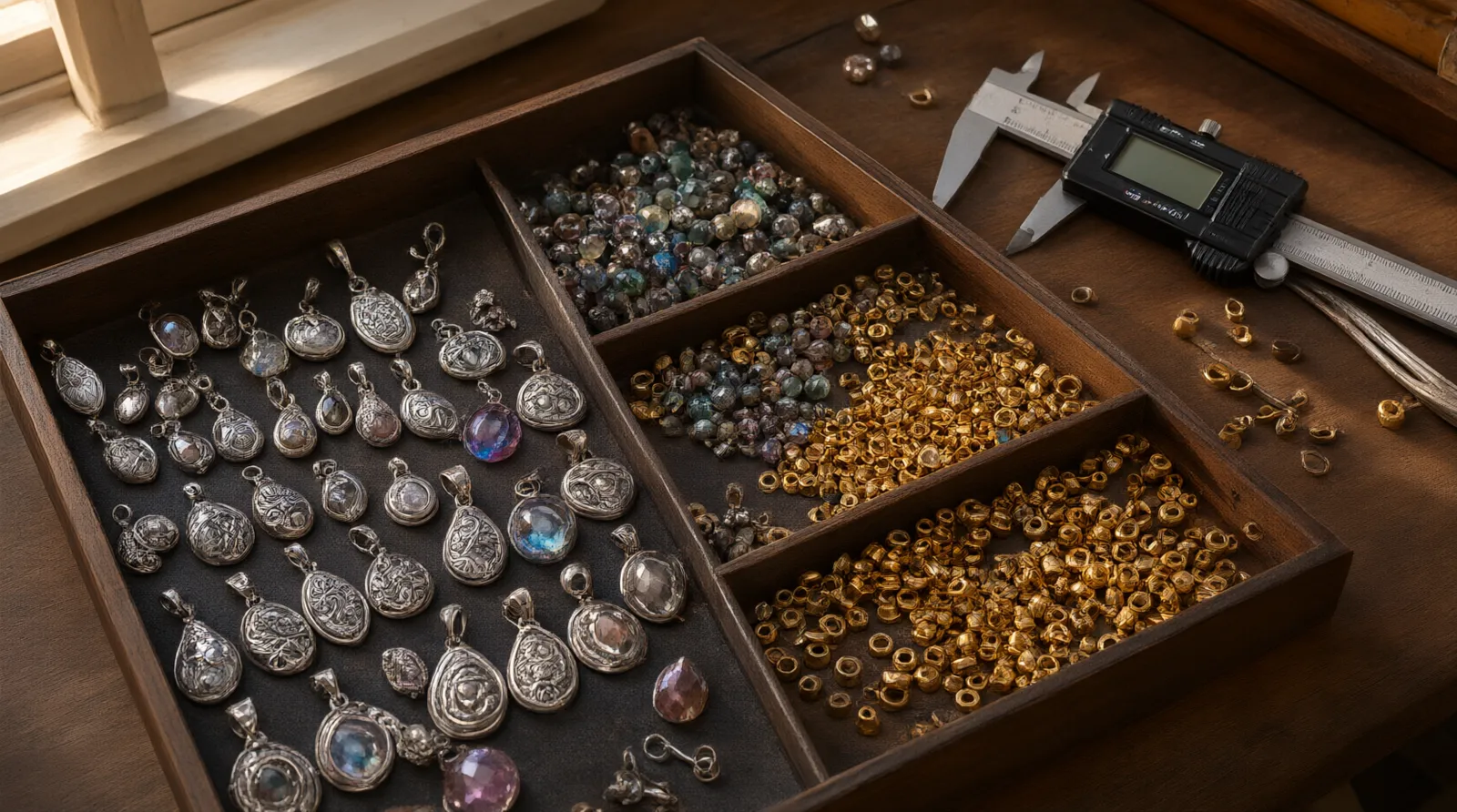
How to Source Wholesale Charms and Beads for Profit
Wholesale charms and beads are jewelry components—such as pendants, spacers, and gemstone accents—purchased in bulk quantities directly from manufacturers or distributors at reduced per-unit costs. Buyers use these components to assemble finished jewelry collections for retail sale. Understanding how to evaluate materials, minimum order quantities (MOQ), lead times, and shipping options is the foundation of profitable jewelry procurement.
For overseas jewelry buyers, importers, and direct-to-consumer (DTC) store owners, sourcing wholesale charms and beads requires more than finding the lowest price point. It demands a rigorous evaluation of metal purity, stone authenticity, dimensional consistency, and supplier reliability. A single shipment of poorly plated brass or inconsistently drilled gemstones can halt production and damage brand reputation. STRAND operates on the principle that vetted, crafted components outperform generic bulk inventory every time. Whether you are building a fine jewelry line for European boutiques or curating a modest, gold-toned collection for MENA markets, the procurement strategy remains the same: prioritize material integrity and precise specifications over sheer volume.
This guide breaks down exactly what wholesale charms and beads entail, how to source them effectively, why they matter to your bottom line, when to integrate them into your supply chain, and the specific benefits they offer growing jewelry businesses.
What Exactly Are Wholesale Charms and Beads?
Wholesale charms and beads refer to the individual components used in jewelry making, sold in large quantities to businesses rather than individual consumers. Charms are typically decorative pendants—shaped like animals, geometric figures, hearts, or religious symbols—that hang from chains or bracelets. Beads are drilled spheres, cylinders, or faceted stones strung together to form necklaces, bracelets, or earrings. When purchased wholesale, these items bypass retail markups, allowing DTC stores and importers to maintain healthy profit margins.
The market for these components is vast and highly categorized by material, style, and color. To understand the scope, consider that a single specialized distributor like House of Gems lists 591 total results for charms and pendants across various metals and styles. This volume illustrates why procurement teams must have strict filtering criteria before reaching out to suppliers.
Metal Categories and Material Integrity
The base metal dictates the durability, price, and target market of the final piece. Sterling silver is widely considered the standard for mid-to-high-tier jewelry; in industry catalogs, it frequently dominates inventory, accounting for 230 items in one major supplier's pendant category alone. Other common metals include:
- Silver Plated: A base metal coated with a thin layer of silver. Suppliers list significant volumes, such as 118 items in comparable catalogs, but buyers must verify plating thickness (measured in microns) to prevent premature tarnishing.
- Stainless Steel: Highly durable and hypoallergenic, representing 78 items in standard inventories. Ideal for everyday wear pieces.
- Gold Filled & Gold Plated: Gold filled components (e.g., 48 items) feature a mechanically bonded layer of gold, offering far greater longevity than gold plated alternatives (33 items).
- Base Metal, Brass, Rose Gold Filled, and Copper: Used for specific aesthetic or budget requirements, ranging from 50 items for base metal down to just 2 items for copper in typical assortments.
For markets in the Middle East and North Africa (MENA), cultural preferences heavily favor rich gold tones and modest designs. Procurement teams targeting these regions should prioritize 18k gold-plated or gold-filled charms over bright sterling silver, ensuring the finish aligns with regional aesthetics without compromising on craftsmanship.
Styles and Gemstone Variations
Beyond metal, charms and beads are defined by their thematic style and stone composition. Gemstone-focused designs make up a massive portion of the market, with 142 items dedicated purely to this category. Cubic Zirconia follows closely with 109 items. Thematic styles range from Heart and Love motifs (108 items) and Animals and Insects (89 items) to Nature themes (71 items), Geometric shapes (46 items), Religious symbols (25 items), and Pearls (14 items). Stone colors vary widely, from Amber (29 items) and Amazonite (7 items) to Amethyst (6 items) and rarer hues like Blue Topaz (2 items) or Chrysocolla (1 item).
How to Source and Wholesale Charms and Beads
Sourcing wholesale charms and beads is a multi-step procurement process. It involves identifying capable manufacturers, requesting samples, negotiating terms, and arranging international freight. You do not simply add thousands of units to a cart; you build a supply chain relationship.
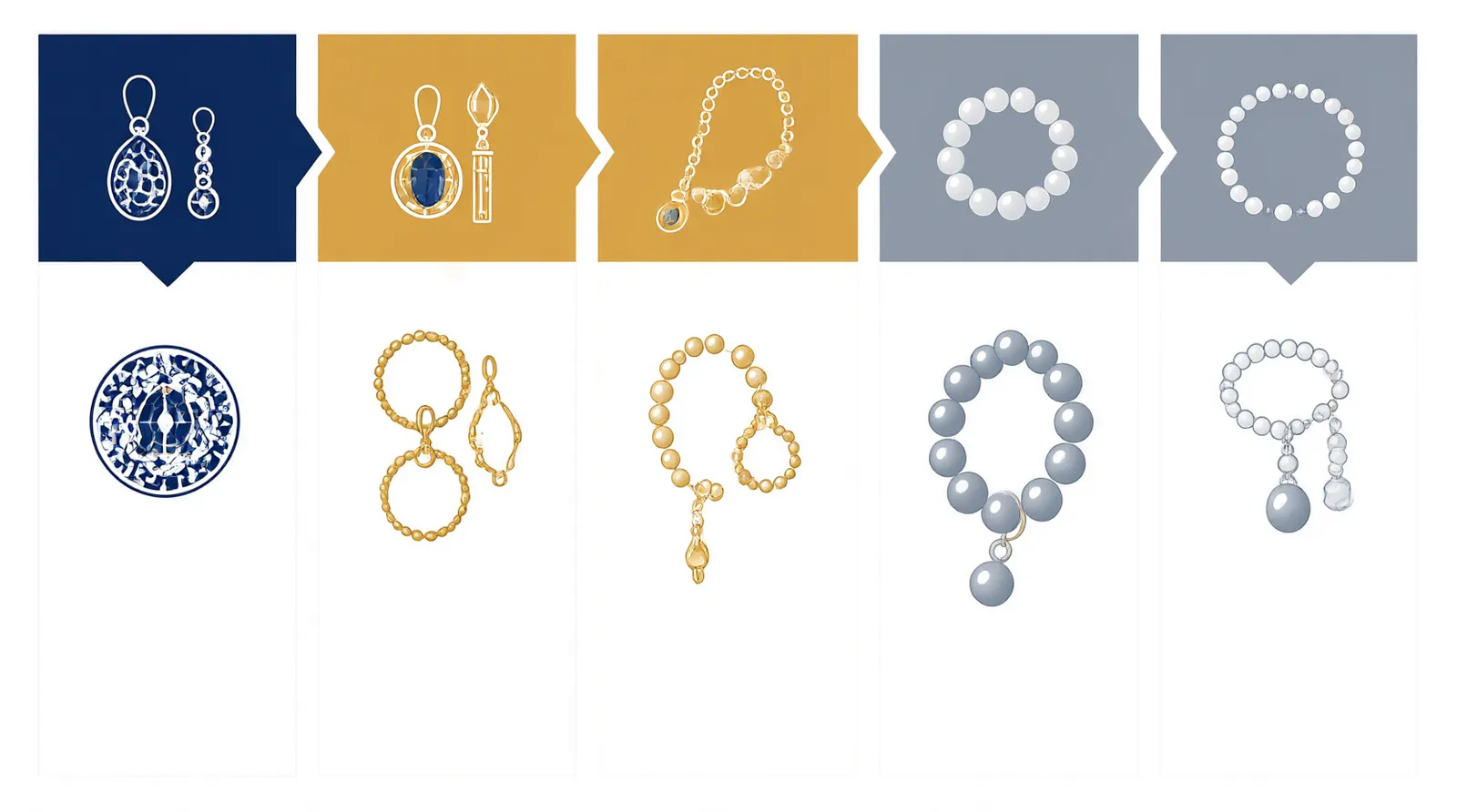
Step 1: Define Your Specifications and Request Samples
Before contacting any supplier, define your exact requirements. Specify the metal type (e.g., 925 sterling silver vs. brass), dimensions in millimeters, drill hole sizes for beads, and plating micron thickness. Once you identify potential partners, always request physical samples. Evaluating a sample allows your quality control team to check for sharp edges, inconsistent plating, or weak jump rings. STRAND emphasizes that vetting begins at the sample stage, long before bulk production is authorized.
Step 2: Clarify Minimum Order Quantities (MOQ) and Pricing
MOQs dictate the smallest number of units a manufacturer will produce or sell per order. While some domestic retailers might sell a component individually—for example, a Stainless Steel Butterfly Pendant priced at $3.99 for 1 piece—true overseas wholesale manufacturing requires discussing tiered pricing based on volume. Ask the supplier explicitly: "What is the MOQ per design, and what is the MOQ per colorway?" High MOQs secure lower per-unit costs but require larger upfront capital.
Step 3: Establish Production Lead Times
Lead time is the duration between placing a confirmed purchase order and the goods being ready for dispatch. Custom-cast charms take significantly longer than ordering existing stock. Always ask for two timelines: sample lead time (how long until you receive the prototype) and production lead time (how long bulk manufacturing takes after sample approval). Factor in potential delays for raw material shortages or factory holidays.
Step 4: Arrange Shipping and Logistics
International shipping requires choosing between air freight (faster, more expensive) and sea freight (slower, cost-effective for heavy bulk). Some domestic suppliers offer incentives like free domestic first class shipping on orders of $50 or more, but overseas buyers must negotiate Incoterms (like FOB or EXW) to understand exactly who pays for freight, insurance, and customs duties at every stage of the journey.
Why Is Buying Wholesale Charms and Beads Important?
Purchasing wholesale charms and beads is important because it directly controls your Cost of Goods Sold (COGS), which determines your retail pricing power and overall profitability. For DTC brands and importers, buying components at retail prices makes scaling impossible.
Margin Protection and Financial Viability
When you buy components wholesale, you strip away intermediary markups. If a finished necklace retails for $85, the raw materials—including the chain, clasp, charms, and beads—must cost a fraction of that to leave room for marketing, shipping, and operational overhead. Sourcing directly from vetted manufacturers ensures your margins remain intact even when competing with established brands.
Quality Control and Brand Reputation
Importance also lies in quality assurance. Working directly with wholesale suppliers allows you to enforce strict quality standards. If you are importing gold-toned pendants for a MENA clientele, you need assurance that the plating will not oxidize in humid climates. By dealing directly with the source, you can mandate specific finishing processes, request third-party assay testing for metal purity, and reject batches that fail your dimensional tolerances.
Supply Chain Stability
Relying on scattered retail purchases creates an unstable supply chain. Wholesale relationships guarantee priority access to inventory. When a specific gemstone bead becomes scarce, established wholesale buyers with consistent order histories are fulfilled before one-off purchasers.
When Should You Use Wholesale Charms and Beads?
Knowing when to transition to—or increase—wholesale purchasing depends on your business lifecycle, seasonal planning, and collection launches. Timing your procurement correctly prevents both stockouts and dead inventory.
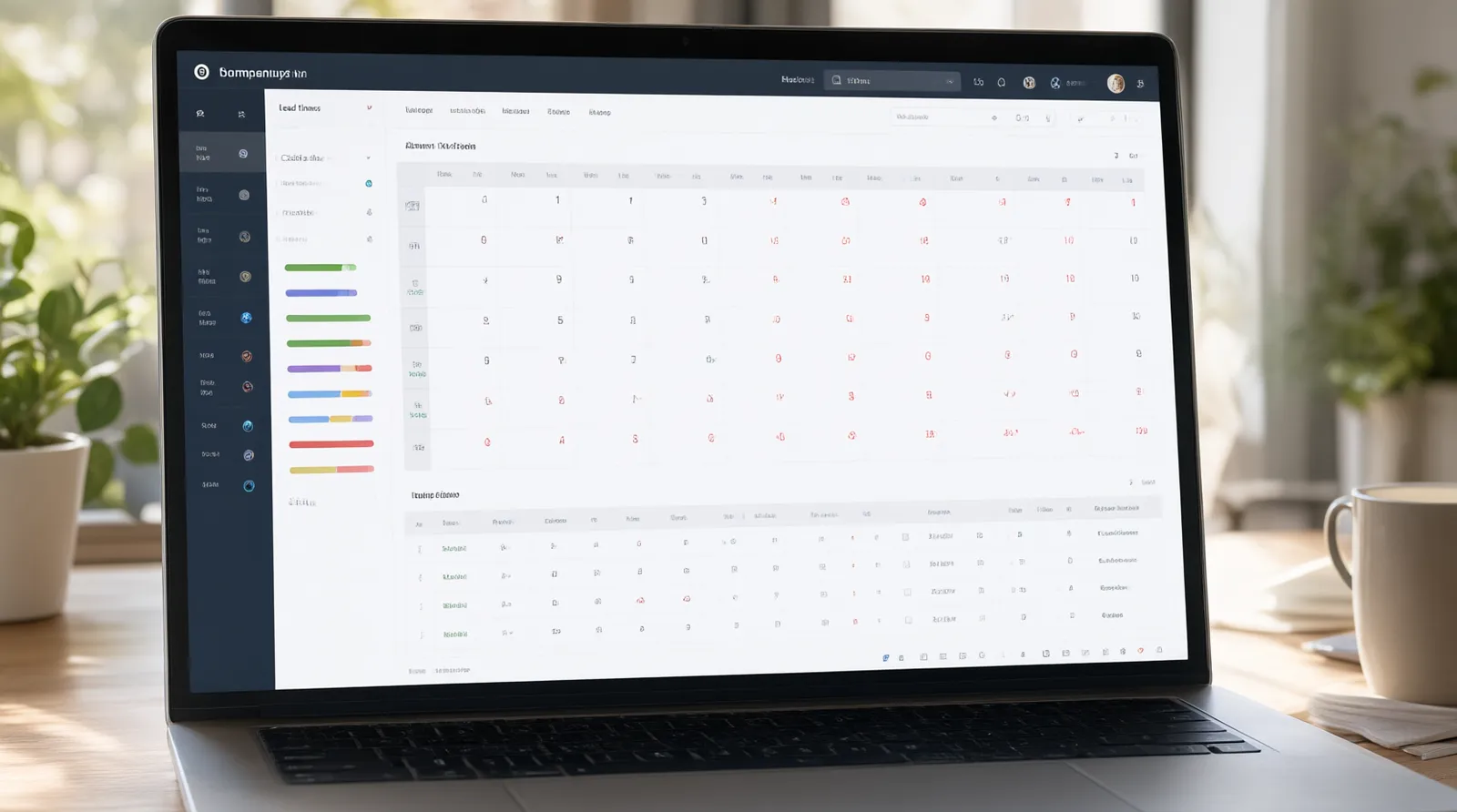
Pre-Launch and Collection Scaling
Use wholesale sourcing when transitioning from a hobbyist phase to a commercial launch. If you are preparing a Spring/Summer collection featuring nature-inspired motifs—a category that routinely includes dozens of variations, such as the 71 nature-themed items found in standard catalogs—you must place wholesale orders months in advance. Account for the production lead time plus international transit time to ensure inventory arrives before your marketing campaign goes live.
Seasonal and Cultural Peaks
Timing is critical around cultural events. For instance, if you supply retailers in regions observing Ramadan and Eid, demand for high-quality, modestly designed gold-tone jewelry surges. You should place wholesale orders for relevant charms and beads at least three to four months prior to the season to accommodate manufacturing and ocean freight.
Replenishing Core Best-Sellers
Use wholesale purchasing continuously for your evergreen products. If geometric charms—representing a stable 46 items in typical style breakdowns—are your consistent top sellers, set up automated reorder points with your supplier. When inventory dips below a calculated threshold, a new wholesale batch is already in production.
What Are the Benefits of Wholesale Charms and Beads?
The benefits of integrating wholesale charms and beads into your procurement strategy extend beyond simple cost savings. They impact your design capabilities, operational efficiency, and market positioning.
Unmatched Design Versatility
Buying wholesale gives you access to a massive variety of components. Instead of being limited to a few pre-made designs, you can mix and match from hundreds of styles. You can combine 142 gemstone-style items with 109 cubic zirconia pieces to create entirely unique, proprietary collections that competitors cannot easily replicate. This versatility is crucial for DTC brands whose entire value proposition relies on distinct aesthetic identity.
Lower Per-Unit Costs at Scale
The financial benefit is straightforward: volume drives down unit cost. While small-scale purchases might carry heavy premiums, wholesale agreements lock in favorable pricing tiers. This allows importers to offer competitive retail pricing while maintaining the premium feel associated with brands like STRAND, which position their offerings as carefully crafted rather than mass-produced commodities.
Streamlined Global Logistics
Established wholesale suppliers are accustomed to international trade. They understand export documentation, customs declarations, and secure packaging required to prevent damage during overseas transit. Partnering with a supplier experienced in your specific destination country reduces friction at the border and minimizes the risk of seized or delayed shipments.
Consistent Inventory Matching
When you buy beads and charms in wholesale lots, you ensure dye-lot and cast-lot consistency. Retail purchasing often results in slight color variations between batches. Wholesale manufacturing guarantees that all 500 amber-colored beads in your order share the exact same hue and finish, which is non-negotiable for professional jewelry assembly.
Key Evaluation Criteria Before Contacting a Supplier
Overseas buyers must evaluate potential partners across four concrete dimensions before initiating contact. Skipping this step leads to misaligned expectations and costly errors.
Price and Availability
Request a formal price list broken down by material and quantity tier. Do not accept vague estimates. Ask specifically about current raw material availability; if a supplier promises immediate delivery on rare stones like Blue Lace Agate or Chrysocolla—which are notoriously low in volume, sometimes represented by only 1 or 2 items in broad catalogs—verify their actual stock levels before committing funds.
Shipping and Lead Time
Clarify whether quoted lead times begin upon receipt of payment or upon final sample approval. Determine the supplier's default shipping methods. If they offer domestic perks, such as free shipping thresholds on local orders, ask how those policies translate to international freight forwarding. Always calculate landed cost (item cost + shipping + duties) rather than just the unit price.
Quality and Warranty
Ask for the supplier's defect tolerance rate (e.g., maximum 2% defective units per batch). Determine their policy if a shipment arrives with tarnished silver-plated items or improperly drilled beads. Vetted suppliers stand behind their craftsmanship with clear replacement or credit protocols.
Returns and Dispute Resolution
International returns are logistically complex and expensive. Understand the protocol before ordering. Will the supplier issue a credit toward future orders for defective goods, or do they require physical return of the flawed components? Favor suppliers who offer forward-looking credits rather than demanding costly reverse logistics.
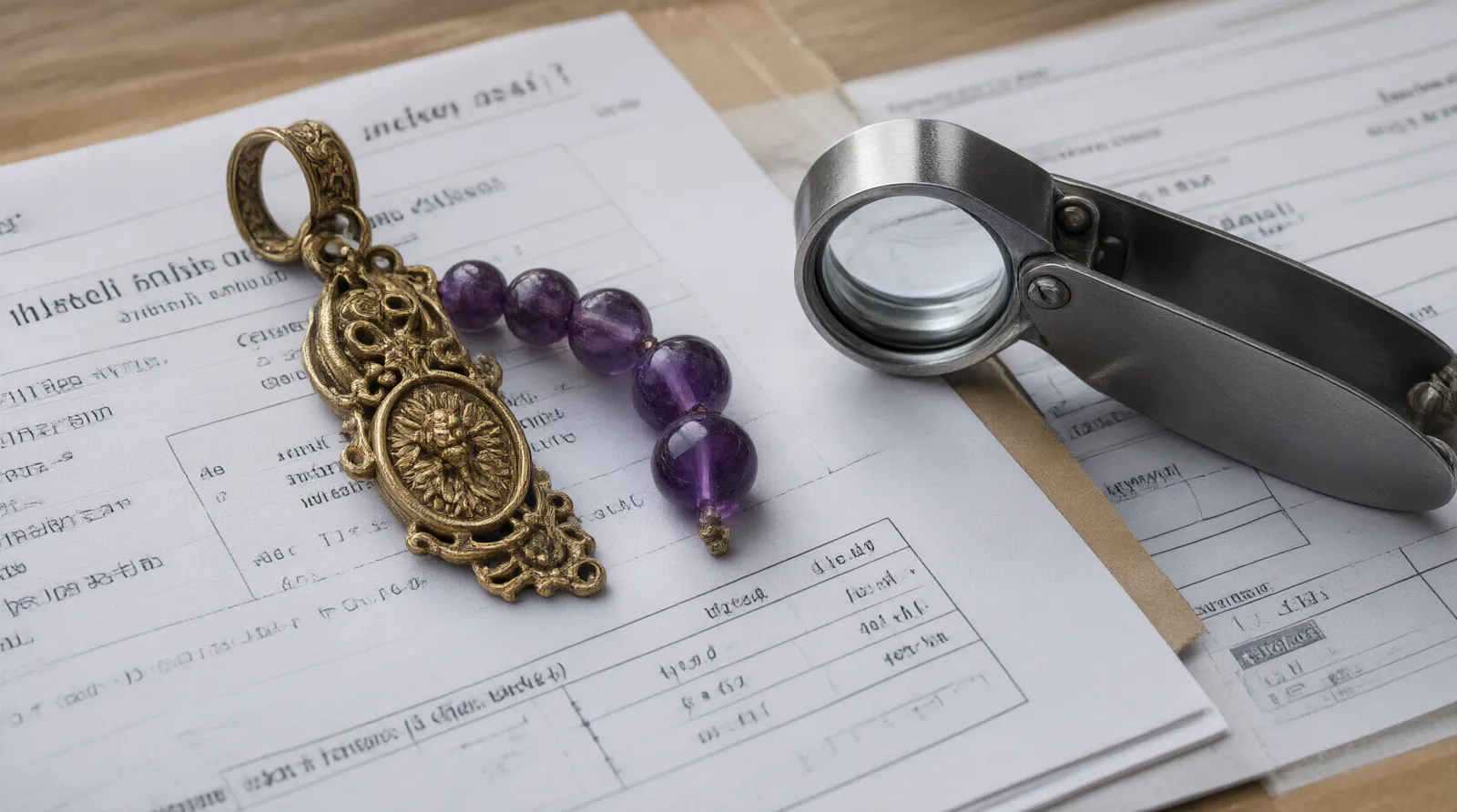
Moving Forward With Your Procurement
Sourcing wholesale charms and beads is a strategic operation that defines the quality and profitability of your jewelry business. By understanding the distinctions between metals like sterling silver and stainless steel, calculating realistic lead times, and evaluating suppliers on concrete criteria rather than promises, overseas buyers can build resilient supply chains. Focus on vetted craftsmanship and precise specifications to serve your target markets effectively, whether you are supplying DTC platforms in Europe or curating culturally resonant collections for the MENA region.
Your next step is to audit your current component costs against wholesale benchmarks. Identify your top three best-selling designs, determine the exact metal, dimension, and stone specifications required, and prepare a formal Request for Quotation (RFQ). Reach out to vetted suppliers with your specific MOQ and lead-time requirements to secure samples today. For a broader look at component procurement, explore our guide to wholesale jewelry craft supplies to complement your charm and bead sourcing strategy.
[Contact the supplier] to request current pricing, sample availability, and international shipping terms for your next collection.
Frequently Asked Questions
What is wholesale charms and beads?
Wholesale charms and beads through STRAND refers to the procurement of crafted, vetted components—such as 925 sterling silver, 18k gold-plated brass, and natural gemstones in precise millimeter dimensions—sourced directly for DTC stores, importers, and procurement teams. STRAND orders typically require MOQs starting at 500 pieces with production lead times of 3–4 weeks, shipped via air freight or express courier. For MENA markets, STRAND curates modesty-aligned designs emphasizing rich gold tones and culturally appropriate motifs.
How to wholesale charms and beads?
To wholesale charms and beads through STRAND, submit a B2B inquiry specifying your required materials (e.g., 18k gold-plated brass, 925 sterling silver), dimensions in millimeters, and target MOQs starting at 500 vetted pieces per SKU. Standard production lead times are 3–4 weeks for crafted components, with shipping via DHL Express or FOB sea freight tailored to your procurement schedule. For MENA-based importers and DTC stores, STRAND curates culturally appropriate assortments emphasizing modest motifs and rich gold tones upon request.
Why is wholesale charms and beads important?
Sourcing wholesale charms and beads through STRAND ensures procurement teams access vetted, crafted components—such as 14k gold-plated brass or 925 sterling silver pieces in 6mm–12mm dimensions—with reliable MOQs starting at 500 units and lead times of 3–4 weeks. For DTC stores and importers, particularly in MENA markets favoring modest designs and rich gold tones, this consistency guarantees high-quality inventory without compromising artisanal standards. STRAND supports global buyers with flexible shipping options, including air freight for urgent restocks and sea freight for larger consolidated orders.
When should I use wholesale charms and beads?
Use STRAND wholesale charms and beads when sourcing vetted, crafted components—such as 14k gold-plated brass or 925 sterling silver in 6–12mm dimensions—for your DTC collections or import catalogs. Orders begin at a 500-piece MOQ with a 3–4 week lead time, shipped via DHL Express or sea freight to suit your procurement timeline. For MENA buyers, we specifically recommend our modesty-appropriate designs in rich gold tones to align with regional preferences.
What are the benefits of wholesale charms and beads?
Sourcing wholesale charms and beads through STRAND provides procurement teams with vetted, crafted components—such as 18k gold-plated brass or 925 sterling silver pieces in standard 6mm–12mm dimensions—rather than generic bulk inventory. Orders typically require a 500-piece MOQ with a 3–4 week production lead time, supported by reliable DDP air freight or sea shipping options for global importers. This ensures DTC stores receive consistent, high-quality materials suited for diverse markets, including modest, gold-tone designs preferred across MENA regions.