
The Ultimate Guide to Enamel Charms for Jewelry Buyers
The Ultimate Guide to Enamel Charms for Jewelry Buyers
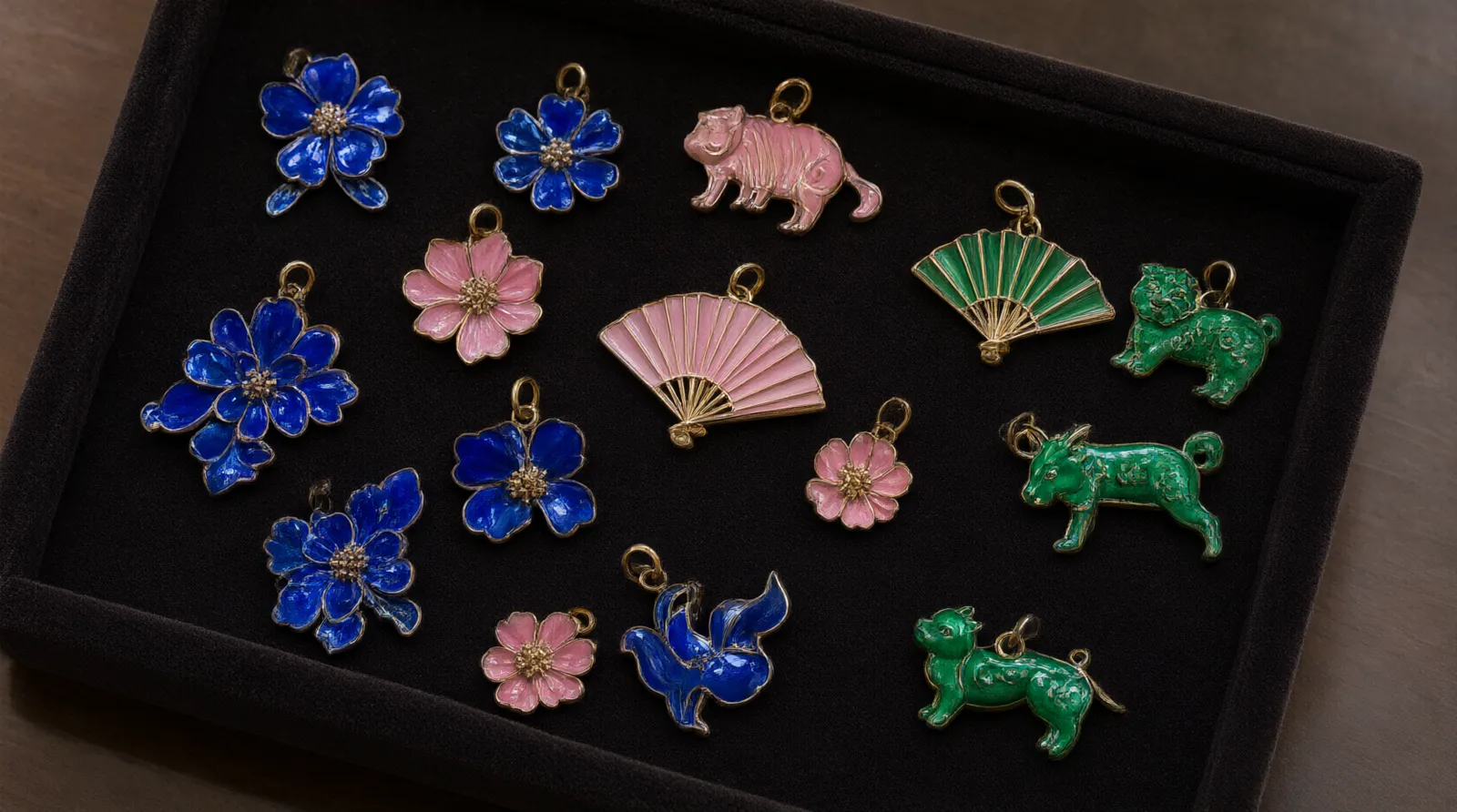
Enamel charms are small decorative jewelry components made by fusing powdered glass onto a metal base at high temperatures, creating a durable, vividly colored finish. For overseas jewelry buyers, DTC stores, and procurement teams, these pieces represent a high-margin category that bridges artisanal craftsmanship with scalable production.
Sourcing the right enamel charms requires evaluating material composition, dimensional tolerances, minimum order quantities, and supplier reliability. Whether you operate an import business targeting European boutiques or curate collections for Middle Eastern markets where gold tones and modest, elegant motifs dominate, understanding how enamel works as both a technique and a commercial product is essential before reaching out to manufacturers. For broader context on jewellery accessories wholesale sourcing, exploring comprehensive buyer's guides can help streamline your procurement strategy.
What Exactly Are Enamel Charms?
At their core, enamel charms consist of a metal substrate—typically sterling silver, brass, copper, or gold-plated alloys—coated with vitreous enamel. Vitreous enamel is essentially finely ground glass mixed with metallic oxides for color. When fired in a kiln between 750°C and 850°C, the powder melts, flows, and fuses into a hard, smooth, non-porous layer.
This places enamel alongside sterling silver, gold, stackable components, and gemstones as a primary material category in fine and demi-fine jewelry manufacturing Source. Unlike painted finishes or resin coatings that scratch easily or yellow over time, true fired enamel resists UV fading and chemical degradation. For a DTC store owner, this translates directly to fewer customer returns and stronger brand reputation.
Buyers should distinguish between two primary techniques when reviewing supplier catalogs:
- Cloisonné: Thin metal wires are soldered to the base to create compartments (cloisons), which are then filled with different colors of enamel. This yields highly detailed, multi-colored charms with visible metal outlines.
- Champlevé: The metal base itself is carved, etched, or cast with recessed troughs, which are filled with enamel. The raised, un-enameled metal forms the design. This technique often results in a slightly heavier, more tactile piece.
For STRAND’s curated approach to crafted jewelry, understanding these distinctions ensures procurement teams select the exact aesthetic and weight profile their target market demands.
How Enamel Charms Are Made: The Production Process
Understanding the manufacturing workflow helps procurement teams set realistic lead times and evaluate a supplier's quality control capabilities. Producing high-quality enamel charms is a multi-stage process requiring specialized artisans, not just automated machinery.
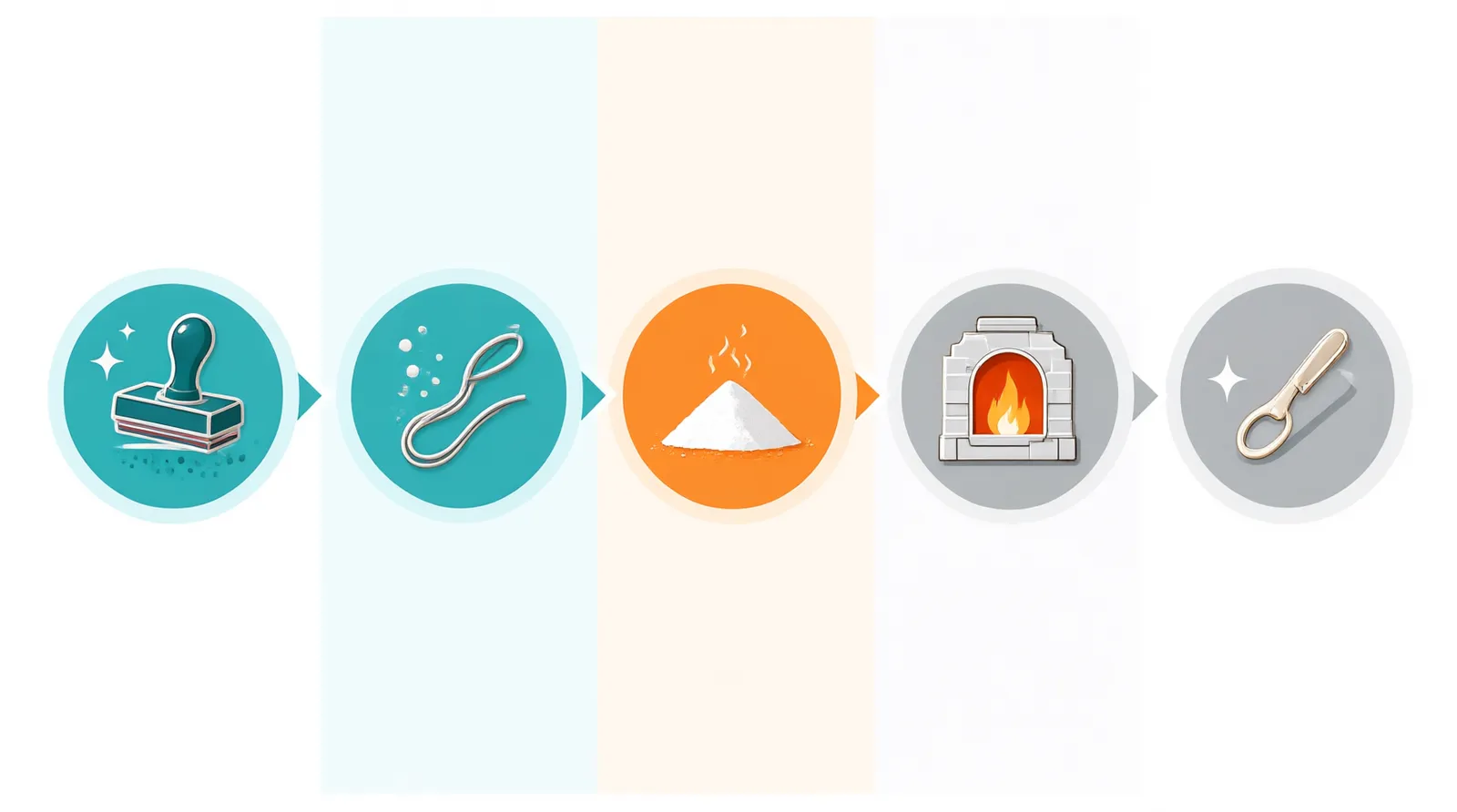
1. Base Metal Fabrication
The process begins with stamping, die-casting, or lost-wax casting the metal base. Dimensions must be precise; even a 0.5mm deviation can cause enamel to pool unevenly or crack during cooling due to mismatched thermal expansion rates between the metal and the glass.
2. Compartment Creation
Depending on whether the design calls for cloisonné or champlevé, artisans either solder fine silver or copper wires to the base or engrave recesses into it.
3. Enamel Application
Wet or dry enamel powder is carefully packed into the designated areas. Artisans often use fine needles or small spatulas. Multiple thin layers yield better results than one thick layer, which is prone to bubbling.
4. Kiln Firing
The piece enters a kiln. The firing duration is brief—often just one to three minutes per layer—but the temperature must be strictly controlled. Complex charms with four or five colors may require multiple firings, as different metallic oxides melt at slightly different temperatures.
5. Finishing and Polishing
After the final firing, the charm is cooled slowly to prevent thermal shock. The surface is then ground flat using progressively finer abrasives (from pumice to cerium oxide) until the enamel and metal borders are perfectly flush, resulting in a mirror-like gloss.
Because of this labor-intensive sequence, production lead times for custom enamel charms generally span several weeks from mold approval to final shipment. Buyers should request specific lead-time estimates based on order volume and design complexity rather than assuming standard off-the-shelf availability.
Why Enamel Charms Matter for Jewelry Retailers
Enamel charms occupy a strategic position in a jewelry retailer's inventory. They offer high perceived value, vibrant visual merchandising potential, and strong emotional resonance with consumers, all while maintaining accessible price points.
Retailers frequently categorize entry-level gift items, such as charms, within accessible introductory price tiers, making them ideal impulse purchases or milestone gifts that drive initial customer acquisition without requiring a luxury budget Source. Meanwhile, larger enameled pendants can comfortably sit in mid-tier price brackets, allowing stores to build a cohesive, multi-price-point collection around a single material theme Source.
For importers targeting the MENA (Middle East and North Africa) region, enamel provides a culturally aligned medium. Markets in the UAE, Saudi Arabia, and Qatar heavily favor rich gold tones paired with intricate, modest designs. Opaque enamel colors like deep lapis blue, malachite green, and ruby red, framed in 18k gold-plated brass, align perfectly with regional aesthetic preferences without relying on figurative imagery that might conflict with cultural sensitivities. Geometric patterns, floral motifs, and architectural fan shapes perform exceptionally well here.
You can see this aesthetic principle applied beautifully in pieces like the Blue & Pink Enamel Fan-Shaped Jewelry Set (Earrings + Necklace) — STRAND (СТРЭНД), where structured geometric shapes meet vibrant enamel work to create a sophisticated, culturally versatile silhouette.
When Should You Use Enamel Charms in Your Collections?
Timing your enamel charm inventory depends on seasonal trends, marketing campaigns, and the specific demographics of your customer base. Procurement teams should plan orders backward from key retail windows, factoring in manufacturing and international shipping times.
Seasonal and Holiday Gifting
Enamel charms are inherently giftable. Their colorful nature makes them ideal for spring collections (pastel florals), summer lines (nautical or tropical motifs), and winter holidays (snowflakes, stars, or evergreen trees). Because they serve as affordable luxury gifts, DTC brands often launch dedicated charm campaigns six to eight weeks before major holidays.
Modular and Stackable Jewelry Lines
If your brand sells charm bracelets or modular necklaces, enamel charms act as the "color anchors" that break up monochromatic metal chains. A buyer sourcing for a stackable collection needs charms with standardized jump-ring dimensions (e.g., exactly 4mm inner diameter loops) so they integrate flawlessly with existing hardware.
Bridging Fine and Fashion Categories
While enamel charms focus on colorful, lightweight accents, you might also be interested in how traditional metalwork integrates with these hues. Exploring complementary pieces like Vintage Enamel Multi-Gem Flower Stud Earrings — STRAND (СТРЭНД) demonstrates how combining enamel with gemstone accents creates a bridge between demi-fine craftsmanship and broader fashion appeal, expanding your catalog's versatility.
Key Benefits of Sourcing Enamel Charms
For B2B buyers and procurement managers, the advantages of adding enamel charms to a supply chain extend beyond aesthetics. The material properties and market dynamics offer tangible commercial benefits.
Durability and Longevity. Properly fired vitreous enamel does not tarnish, rust, or fade under sunlight. Unlike epoxy resin or cold enamel (which is actually a type of tinted plastic), true kiln-fired enamel withstands daily wear. This durability reduces warranty claims and return rates—a critical metric for DTC stores managing reverse logistics across international borders.
High Margin Potential. The raw materials for enamel (glass powder, base metals) are relatively inexpensive compared to solid precious metals or large gemstones. However, the artisanal perception of hand-filled, kiln-fired jewelry allows retailers to command premium pricing. The value lies in the craftsmanship, not just the commodity weight.
Design Versatility. Enamel can replicate virtually any Pantone color. This allows brands to produce exclusive, trademarked colorways that competitors cannot easily match using standard metal plating alone. A specific shade of coral or cerulean becomes a brand identifier.
Lightweight Shipping. Compared to heavy solid-silver or bronze pendants, enamel charms are generally lighter, especially when stamped from thin-gauge brass or copper. For importers paying freight costs by volumetric or actual weight, lighter SKUs improve overall margin per shipping container or air freight parcel.
Procurement Criteria: What to Ask Your Supplier
Before sending an inquiry or requesting a quote for enamel charms, overseas buyers must establish clear evaluation dimensions. Vetting suppliers for crafted, high-quality goods requires asking the right technical and logistical questions. STRAND positions its sourcing around vetted craftsmanship, meaning buyers should avoid mass-market, fast-fashion framing and instead focus on precision and material integrity. Understanding how to buy wholesale on jewelry platforms ensures your procurement team asks the right questions from the start.
Materials and Plating Thickness
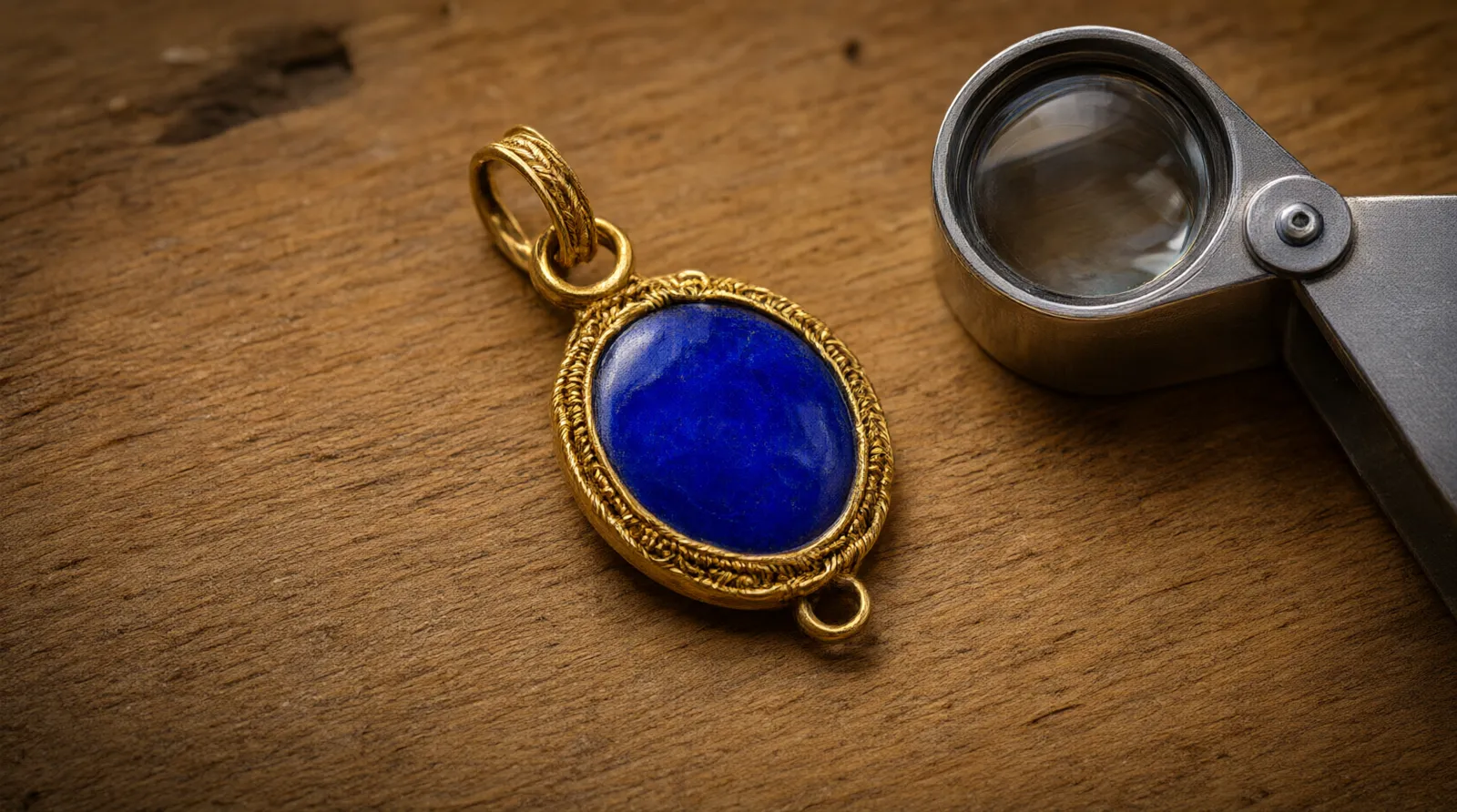
Do not accept vague descriptions like "gold tone." Require specifications. Is the base metal 925 sterling silver, brass, or copper? If plated, what is the thickness? Standard flash plating wears off quickly; ask for micron-level specifications (e.g., 1.0 to 3.0 microns of 14k or 18k gold) to ensure longevity. Confirm whether the enamel used is true vitreous (kiln-fired glass) or cold enamel (epoxy resin), as the latter degrades faster and carries a lower perceived value.
Dimensions and Tolerances
Request exact millimeter measurements for height, width, depth, and the gauge of the attachment loop. If you are integrating these charms into an existing bracelet line, a 1mm discrepancy in the bail size will render the entire batch incompatible. Ask for CAD drawings or physical prototypes before committing to full production.
Minimum Order Quantities (MOQ)
Artisanal enamel work involves significant setup costs—creating molds, cutting cloisonné wires, mixing specific enamel colors. Consequently, MOQs for custom designs are typically higher than for plain stamped metal. Clarify if the supplier offers tiered pricing based on volume, and ask what the MOQ is for a single SKU versus a mixed-color order sharing the same metal mold.
Lead Time and Production Schedule
Because each color layer requires separate application and firing, complex enamel charms take longer to produce than standard metal jewelry. Request a detailed timeline from mold approval to sample delivery, and from bulk production start to final readiness for dispatch. Factor in buffer time for quality inspections.
Quality Assurance and Warranty
How does the manufacturer handle defects like bubbling, cracking, or color bleeding? Establish a clear protocol for acceptable defect rates (e.g., under 2%) and determine who bears the cost of replacement or credit for faulty units. High-end suppliers should provide a warranty against enamel delamination under normal wear conditions.
Shipping Options and Returns
International logistics require careful planning. Does the supplier ship via air freight for urgent restocks or sea freight for cost-effective bulk orders? Verify packaging standards; enamel, while hard, can chip if struck sharply against other metal pieces during transit. Individual polybags or compartmentalized trays are necessary. Additionally, clarify the supplier's policy on returns or exchanges for bulk wholesale orders, ensuring it aligns with your own retail policies. Many reputable jewelers structure their operations to support reliable fulfillment, mirroring industry standards where established brands offer comprehensive shipping and return frameworks to maintain buyer confidence Source.
Caring for Enamel Charms: Educating Your Customers
Supplying exceptional products is only half the equation; educating your end consumer ensures the longevity of the piece and protects your brand's reputation. Provide your retail staff or include digital care cards with the following guidelines.
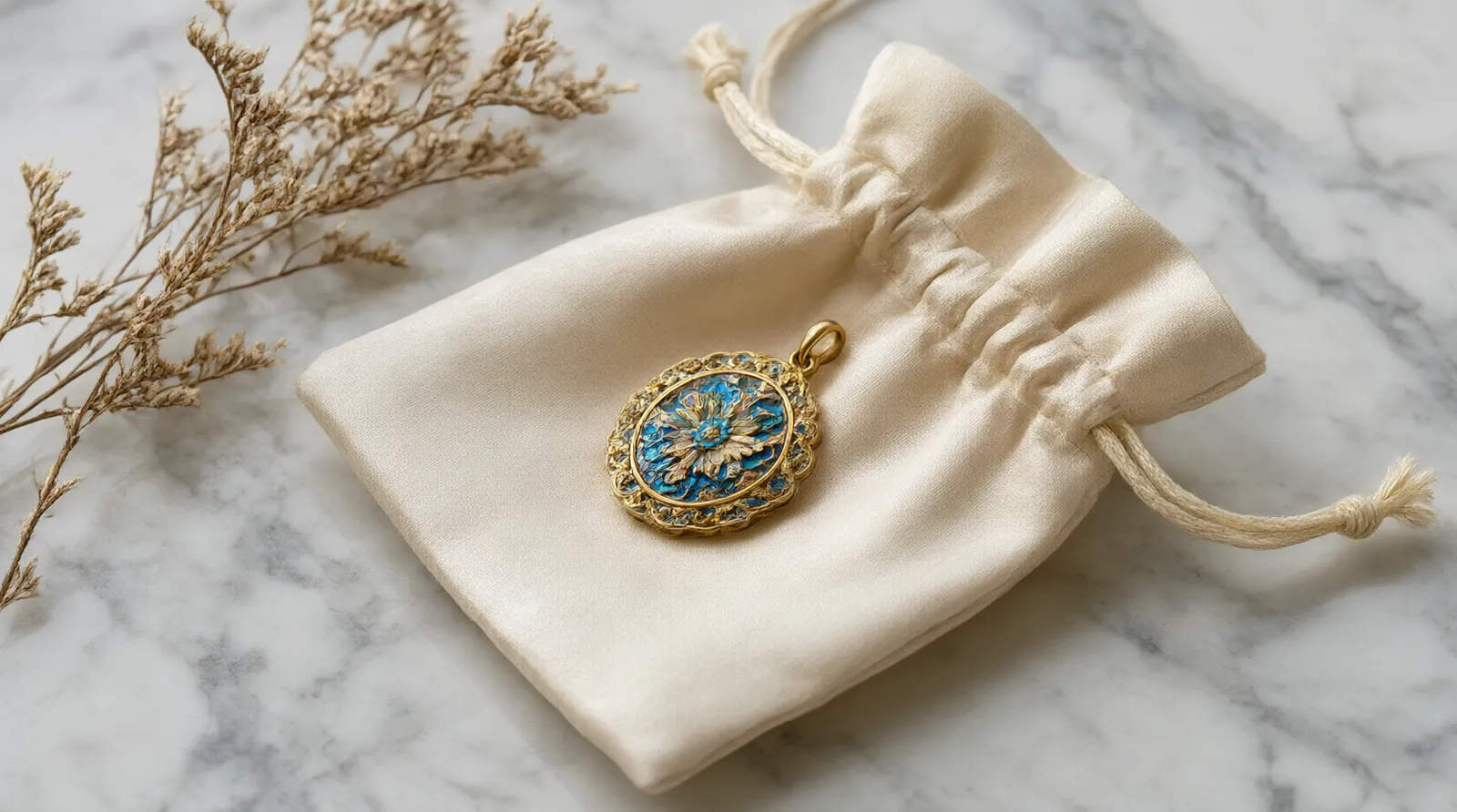
Enamel is essentially glass. While it resists scratching better than metal, it is susceptible to shattering if dropped onto a hard surface like tile or concrete. Advise customers to store enamel charms separately in soft pouches to prevent harder gemstones or diamond-cut metal edges from striking the enamel face.
Chemical exposure is another risk factor. Perfumes, lotions, chlorine from swimming pools, and harsh household cleaners can degrade the metal borders or dull the polish of the enamel over time. The standard rule applies: jewelry should be the last thing put on when dressing and the first thing taken off. Cleaning should be done exclusively with a soft, damp microfiber cloth—never ultrasonic cleaners or chemical dips, which can strip plating and force moisture beneath the enamel layer, causing it to lift.
Moving Forward With Your Sourcing Strategy
Enamel charms offer jewelry buyers a unique intersection of artisanal heritage, vibrant design flexibility, and strong commercial viability. By understanding the difference between cloisonné and champlevé, recognizing the cultural nuances of color and motif selection, and rigorously vetting suppliers on materials, dimensions, and logistics, procurement teams can build collections that resonate deeply with their target markets.
Whether you are outfitting a boutique in Dubai with rich, gold-framed geometric pendants or stocking a DTC storefront with playful, pastel spring motifs, the technical foundation remains the same: demand precision, verify material claims, and plan your supply chain timelines around the realities of kiln-fired craftsmanship.
Executing this strategy effectively means translating those principles into actionable purchasing steps. Start by auditing your current inventory gaps—if your modular necklace line lacks color variation, prioritize sourcing champlevé charms with standardized 4mm bails that integrate seamlessly with your existing clasps. If you are entering a new regional market, commission a small pilot run of culturally appropriate motifs, such as geometric fans or architectural arches, before committing to a full container load. Pilot runs allow you to test local consumer response, verify the manufacturer's consistency in color matching across batches, and assess how the enamel holds up during international transit.
To expand your knowledge on how these techniques apply across different jewelry categories, review our guide on the Blue & Pink Enamel Fan-Shaped Jewelry Set (Earrings + Necklace) — STRAND (СТРЭНД) for practical examples of structural enamel design.
Ready to source crafted, high-quality enamel pieces for your next collection? Review your current dimensional requirements and target price points, then reach out to our team to discuss availability, custom capabilities, and shipping logistics.
[Contact the supplier] When initiating that conversation, come prepared with specific parameters to accelerate the quoting process. Suppliers handling artisanal enamel work need exact details to provide accurate pricing and lead times rather than generic estimates. Have the following ready before you send your inquiry:
- Base metal preference: Specify whether you require 925 sterling silver, brass, or copper, along with your target plating thickness in microns (e.g., 18k gold plating at 2.0 microns) to ensure the finish meets your market's durability expectations.
- Dimensional specifications: Provide exact millimeter requirements for the charm body and the inner diameter of the jump ring or bail. If these charms must integrate into an existing modular bracelet or necklace chain, share the technical drawings of your current hardware so the manufacturer can guarantee a flush fit.
- Color references: Supply Pantone codes for every enamel shade you intend to use. Vitreous enamel colors are mixed from metallic oxides, and having standardized color targets prevents costly back-and-forth sampling delays.
- Target volume and MOQ: State your initial order quantity and your projected annual volume. This allows the procurement team at STRAND to structure tiered pricing and allocate kiln time efficiently across production runs.
- Destination and shipping terms: Clarify your required Incoterms (e.g., FOB, DDP) and final destination port or fulfillment center. Air freight is standard for high-value, low-weight enamel assortments, but sea freight may be necessary for bulkier display packaging or large-scale seasonal rollouts.
Providing this level of detail signals to manufacturers that you are a serious buyer focused on crafted quality rather than disposable fast fashion. It also ensures the samples you receive during the verification phase accurately reflect the final production run, minimizing discrepancies in color saturation, wire thickness, or surface polish. Request physical prototypes of complex cloisonné designs before authorizing bulk manufacturing; evaluating the tactile weight and the flush finish of the glass against the metal borders in person remains the only reliable way to verify craftsmanship standards.
Frequently Asked Questions
What is enamel charms?
Enamel charms are precision-crafted jewelry components made from solid brass or 925 sterling silver, finished with hand-applied vitreous or high-grade epoxy enamel for durable, vibrant color. STRAND offers these charms in standard dimensions ranging from 8mm to 20mm, including 18k gold-tone plating options tailored for MENA markets where modest, refined aesthetics are preferred. Our MOQ starts at 300 pieces per design with a 4–6 week production lead time, and we ship globally via DHL Express or air freight for reliable procurement planning.
How to enamel charms?
STRAND enamel charms are crafted by hand-filling precision-stamped 925 sterling silver or 18k gold-vermeil bases (typically 10–15mm) with vitreous enamel, then kiln-fired at 800°C for lasting color depth. For MENA buyers preferring modest, elevated aesthetics, we offer rich gold-tone finishes with opaque enamel palettes, available at an MOQ of 100 units with a 4–6 week lead time. Finished pieces ship via insured DHL Express or air freight to ensure secure, trackable delivery for DTC stores and procurement teams.
Why is enamel charms important?
Enamel charms are essential for DTC stores and importers because they offer durable, vibrant colorways on solid brass or 925 sterling silver bases—often in 18k gold plating to align with MENA preferences for rich gold tones and modest, refined motifs. STRAND crafts these charms at approximately 10–15mm with MOQs starting at 300 pieces per design, a 4–6 week production lead time, and flexible shipping via DHL Express or air freight. This vetted approach ensures your procurement team sources crafted, high-quality components rather than bulk commodity goods.
When should I use enamel charms?
Enamel charms from STRAND are ideal for curated DTC collections requiring vibrant, durable color accents on hypoallergenic 925 sterling silver or 18k gold-plated brass bases, typically measuring 10–15mm. For MENA markets, we recommend prioritizing opaque enamel in rich gold tones with modest, culturally considered motifs, available at MOQs of 300 pieces with a 4–6 week production lead time. Finished orders ship via DHL Express or air freight to ensure secure, timely delivery for your procurement timelines.
What are the benefits of enamel charms?
STRAND enamel charms offer exceptional color retention and scratch resistance, crafted from lead-free vitreous enamel fired onto 925 sterling silver or 18k gold-plated brass bases. Ideal for MENA markets favoring modest motifs in rich gold tones, these pieces are available from a 100-unit MOQ with dimensions typically ranging from 10mm to 15mm. Standard production lead time is 15–20 days, with DDP air freight or sea shipping options available for overseas importers and DTC procurement teams.