
Earring Pads for Clip Earrings: The Ultimate Sourcing Guide
Earring Pads for Clip Earrings: The Ultimate Sourcing Guide
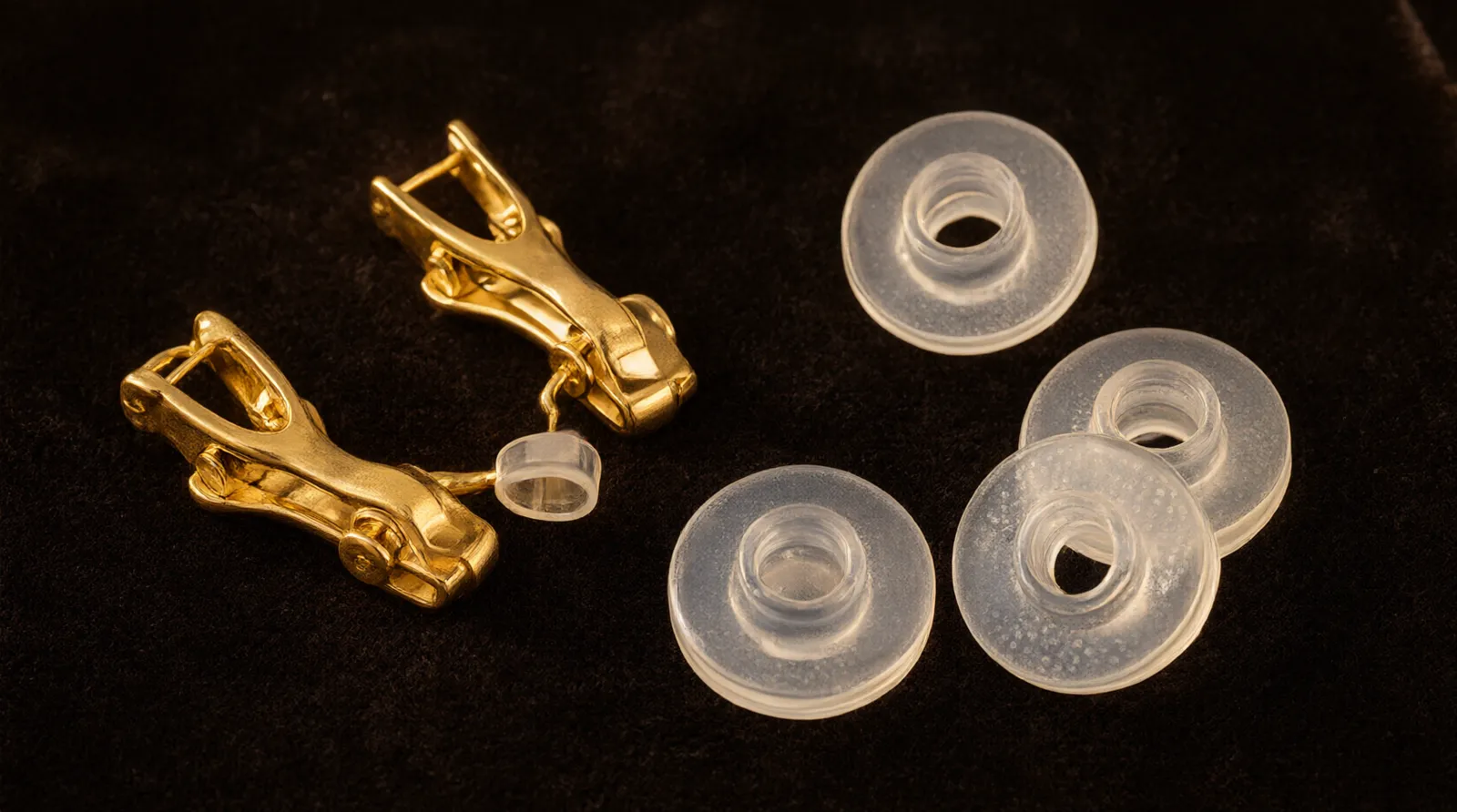
Earring pads for clip earrings are small cushioning inserts placed between the metal clasp of a non-pierced earring and the wearer's earlobe. They distribute pressure evenly, prevent pinching, and keep the jewelry securely in place without causing discomfort. For overseas jewelry buyers, DTC store owners, and procurement teams sourcing crafted accessories, understanding these components is essential for delivering a comfortable customer experience.
Clip-on jewelry has experienced a steady resurgence among consumers who prefer not to pierce their ears or who collect vintage designs. However, the success of any clip earring relies entirely on how it feels during extended wear. A beautifully designed piece will be returned if it causes pain after twenty minutes. This is where high-quality pads become a critical part of your product specification. Sourcing the right materials ensures your customers enjoy wearing pieces like the Vintage Flower-Frame Glass Stud Earrings -Black — STRAND (СТРЭНД) for hours without irritation, maintaining brand loyalty and reducing return rates.
What Are Earring Pads for Clip Earrings?
At their core, earring pads are protective cushions engineered specifically for the mechanics of non-pierced jewelry. Unlike standard earring backs used for pierced lobes—which simply secure a post—pads for clip earrings must perform a dual function: they act as a friction barrier to prevent slipping and as a shock absorber to mitigate the clamping force of the metal mechanism.
Material Composition and Specifications
Procurement teams evaluating suppliers should request exact material breakdowns, as the composition dictates both comfort and longevity. Common materials include:
- Medical-grade silicone: Preferred for its hypoallergenic properties, durability, and ability to grip the skin without sticking. Silicone pads typically range from 1mm to 3mm in thickness.
- Foam (polyurethane or EVA): Lightweight and highly compressible, foam offers immediate softness but degrades faster than silicone when exposed to natural skin oils and cosmetics.
- Felt or fabric-backed rubber: Often found in vintage-style reproductions, providing a classic aesthetic while offering moderate cushioning.
For buyers targeting MENA markets, where modesty in styling often pairs with a strong cultural preference for rich gold tones and substantial jewelry, the pad material must support heavier clip earrings. A thicker silicone pad (closer to 3mm) is generally required to distribute the weight of ornate gold-toned clips without digging into the lobe. Always verify that the materials are nickel-free and comply with international skin-contact safety standards before finalizing a purchase order.
Why Proper Cushioning Is Important for Clip Jewelry
The importance of integrating quality pads into your clip earring inventory cannot be overstated. It directly impacts your return rates, customer reviews, and overall brand perception. Crafted, vetted jewelry brands like STRAND position their products based on quality and wearability; a painful clip mechanism undermines that positioning instantly. Identifying the best clip-on earring sources early in your procurement process ensures you partner with manufacturers who prioritize these comfort specifications from the start.
Biomechanics of Earlobe Pressure
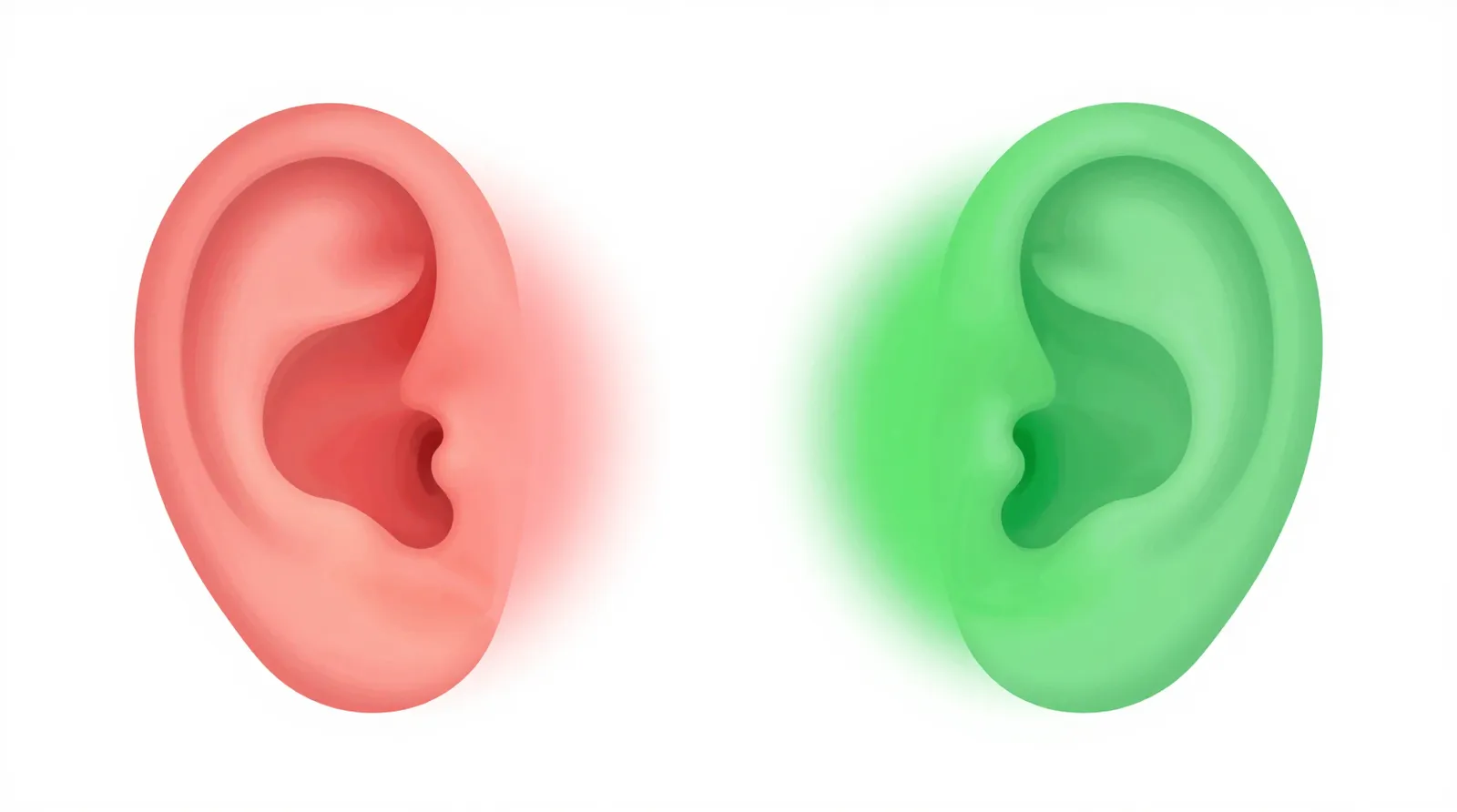
The human earlobe contains a dense network of nerve endings but lacks cartilage, making it highly sensitive to sustained point pressure. A bare metal clip concentrates the entire holding force onto a surface area of just a few square millimeters. Over time, this restricts local blood flow, leading to throbbing pain and red marks.
A properly sized pad increases the contact surface area by up to three or four times. By distributing the same clamping force over a wider area, the pressure per square millimeter drops significantly below the pain threshold. For DTC stores, this biomechanical reality means that selling clip earrings without pads—or with substandard ones—is a guaranteed path to negative feedback.
Protecting the Metal Finish
Beyond customer comfort, pads protect the jewelry itself. Bare metal rubbing against skin, sweat, and cosmetic residues accelerates tarnishing and plating wear. A pad acts as a sacrificial barrier, preserving the finish of the earring's inner mechanism. When sourcing from suppliers, ask about the expected lifespan of the pads relative to the plating micron count of the earring. The cushioning should outlast or match the durability of the jewelry's finish so the customer does not experience degradation unevenly.
Types of Pads Available for Sourcing
When reaching out to manufacturers or reviewing catalogs from suppliers like STRAND, you will encounter several structural variations. Your choice depends on the specific clip mechanism your inventory utilizes.
Slip-On vs. Adhesive Pads
Slip-on pads feature a small groove or sleeve that slides directly over the flat paddle of a standard clip earring. These are ideal for retail packaging because they can be included as replaceable extras. If a customer loses one, they can easily slide a new pad on without tools.
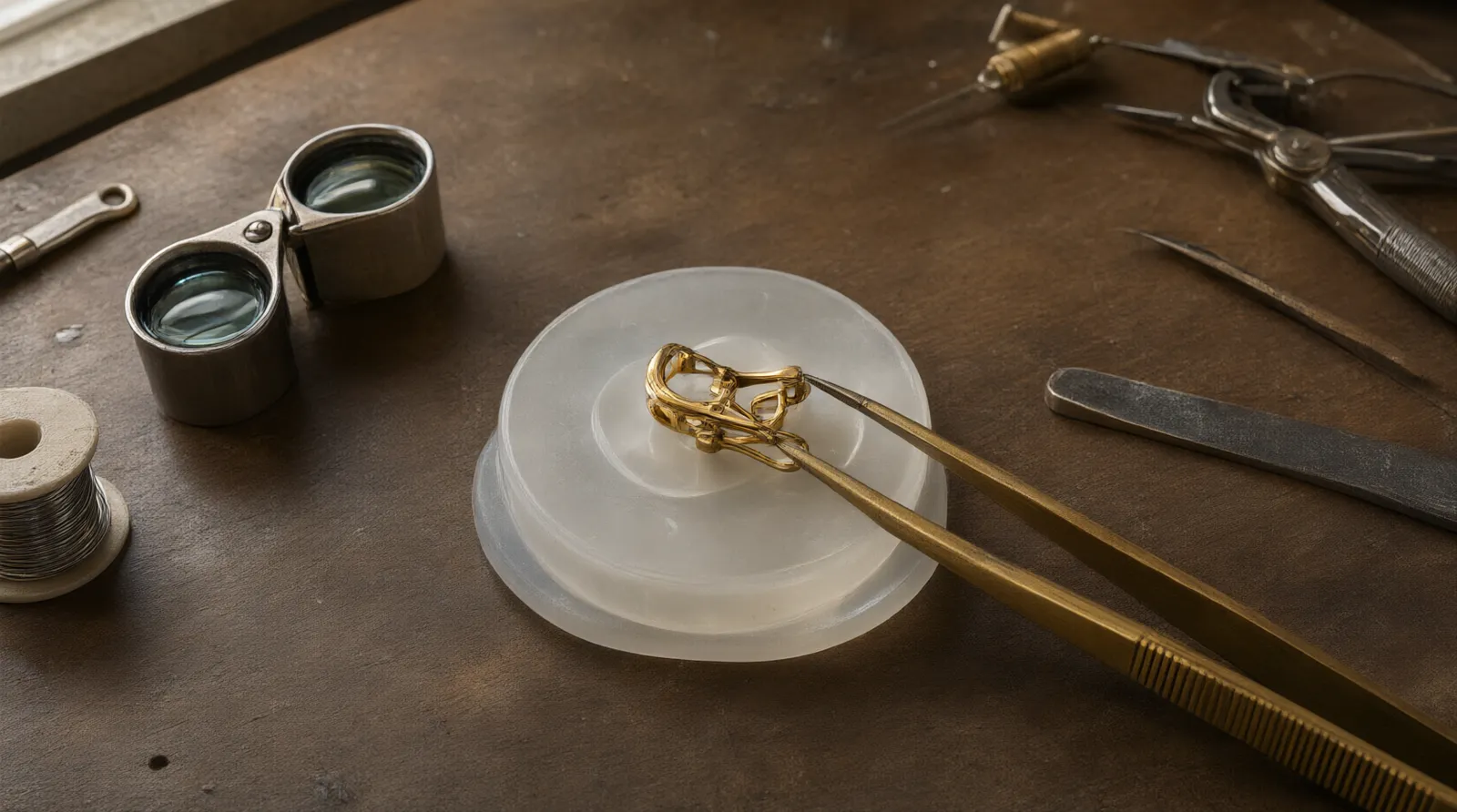
Adhesive pads come with a pre-applied, skin-safe glue layer. They are permanently affixed to the inside of the clip mechanism. Adhesive types are better suited for intricate designs—such as detailed filigree or heavy statement pieces—where a slip-on pad might alter the visual profile or fail to stay seated during movement.
Shape and Dimension Variations
Pads are not universally shaped. Procurement teams must match the pad geometry to the earring hardware:
- Oval/Circular: Standard for most traditional paddle-back clips. Typical dimensions range from 8mm to 12mm in diameter.
- Rectangular: Used for wider, modern tension clips.
- Custom-molded: High-end manufacturers sometimes mold silicone directly to the curvature of a specific earring design, ensuring zero slippage. Request dimensional spec sheets from your supplier to ensure compatibility with your existing SKUs.
How to Apply and Use Earring Pads Correctly
Understanding the application process helps DTC retailers create accurate instructional inserts for their packaging, reducing customer service inquiries regarding fit issues.
Step-by-Step Application for Adhesive Pads
- Clean the surface: Wipe the inside of the clip mechanism with an alcohol pad to remove manufacturing oils or dust. Adhesion fails most often due to unclean surfaces.
- Peel the backing: Remove the protective film from the adhesive side of the pad. Avoid touching the sticky surface with bare fingers.
- Align and press: Center the pad on the metal paddle that makes direct contact with the earlobe. Press firmly for ten seconds to activate the bond.
- Cure time: Allow the adhesive to set for at least two hours before the earring is worn or packaged for shipping.
Adjusting Tension for Optimal Fit
Applying the pad is only half the process. Adding a 2mm pad changes the internal clearance of the clip. Buyers should instruct their quality control teams to test the tension after pad application. If the clip becomes too loose, the earring will fall off; if it remains too tight despite the pad, it will still cause pain. Many crafted clip earrings feature a small hinge screw that allows for micro-adjustments to the spring tension. Ensure your product descriptions clarify whether the tension is adjustable.
When Should You Specify Pads in Your Orders?
Not every earring requires a pad, but knowing when to mandate them in your purchase orders prevents costly inventory mistakes.
Heavy Statement Pieces and Vintage Designs
Any clip earring weighing more than 10 grams requires a pad. Heavier pieces exert more downward drag, which forces the top edge of the clip to dig into the upper earlobe. If your collection includes ornate, vintage-inspired designs similar to those curated by STRAND, specify thick, high-density silicone pads in your bill of materials.
Sensitive Skin Markets and Bridal Collections
If your target demographic includes individuals with contact dermatitis or metal sensitivities, pads are mandatory regardless of the earring's weight. Similarly, bridal collections require extended-wear comfort. Brides wear their jewelry for eight to twelve hours continuously. Foam pads are generally insufficient for this duration as they compress permanently after a few hours. Specify medical-grade silicone for any collection marketed for all-day events.
Regional Climate Considerations
Climate affects material performance. In humid environments, adhesive pads may lose their grip faster if the wrong adhesive compound is used. For buyers importing into tropical or highly humid regions, request moisture-resistant adhesive specifications from the manufacturer. Conversely, in dry climates, certain foam pads can become brittle. Silicone remains stable across most environmental conditions, making it the safest default choice for international shipping.
Benefits of Sourcing High-Quality Pads for Your Inventory
Investing in superior cushioning components yields measurable returns for importers and retail buyers.
Reduced Return Rates and Higher Margins
Discomfort is a primary driver of returns in the non-pierced jewelry category. By equipping your inventory with premium pads, you eliminate the physical reason for the return. While upgrading from basic foam to medical-grade silicone might add a marginal cost per unit, it protects the much larger margin lost to reverse logistics, restocking, and unsellable returned goods.
Enhanced Brand Perception
Consumers recognize craftsmanship in the details. When a customer puts on a clip earring and feels a soft, secure grip rather than a harsh pinch, they associate that comfort with your brand's overall quality. Vetted brands do not rely on fast-fashion tactics; they build trust through user experience. Including replacement pads in the original packaging signals that the brand anticipates the customer's long-term needs.
Versatility Across Demographics
Earlobes vary drastically in thickness and shape from person to person. Offering interchangeable pads (e.g., including both a 1.5mm and a 3mm option in the box) allows a single earring SKU to fit a much wider demographic comfortably. This reduces the need for buyers to stock multiple variations of the same design to accommodate different fits.
Procurement Criteria: What to Ask Your Supplier
Before placing an inquiry or finalizing a bulk order, procurement teams must evaluate suppliers across specific operational dimensions. Treat earring pads not as an afterthought, but as a critical component requiring the same scrutiny as the metalwork itself.
Price, Availability, and MOQ
Request clear pricing tiers based on volume. Because pads are small, lightweight components, they are often sourced in high quantities. Ask the supplier for their Minimum Order Quantity (MOQ) for standalone pads versus pads pre-assembled onto the earrings. Verify current availability, as specialty medical-grade silicones can occasionally face supply chain delays compared to standard foams.
Lead Time and Shipping Options
Clarify production lead times. If you are ordering custom-molded pads to fit a proprietary clip mechanism developed by STRAND, tooling and sampling will add time to the initial order. Discuss shipping options—air freight for urgent sample approvals and sea freight for bulk inventory replenishment. Because pads are low-weight, air freight costs remain manageable even for mid-sized orders, allowing for faster turnaround.
Quality Assurance and Warranty
Ask for material safety data sheets (MSDS) to confirm the absence of restricted substances like phthalates, latex, or heavy metals. Inquire about the supplier's defect rate tolerance and their policy for replacing degraded or faulty batches. A reliable supplier will offer a warranty on the adhesive integrity and material resilience of the pads over a specified shelf life.
Returns and Sampling Policy
Never commit to a full production run without testing samples. Request a sample kit containing various thicknesses and materials. Have your team wear the clip earrings with the sample pads for a minimum of six hours to evaluate real-world comfort, slippage, and skin reaction. Confirm the supplier's return policy for bulk orders if the delivered goods do not match the approved sample specifications.
Final Steps for Upgrading Your Clip Earring Inventory
Sourcing the correct earring pads for clip earrings transforms a potentially uncomfortable accessory into a highly wearable, premium product. By focusing on material science, proper application, and strict procurement criteria, buyers can ensure their inventory meets the expectations of discerning global consumers. Whether you are stocking delicate everyday clips or substantial gold-toned statement pieces, the cushioning mechanism is what ultimately keeps the jewelry on the customer's ear—and keeps the customer coming back to your store.
Review your current clip earring specifications today. Identify which SKUs lack adequate cushioning or use outdated foam materials. Reach out to your manufacturing partners to request samples of medical-grade silicone pads matched to your hardware dimensions. To explore how crafted, vetted designs integrate these comfort features seamlessly, review collections like those offered by STRAND to benchmark your own quality standards.
[Contact the supplier] to request material samples, discuss MOQ requirements, and get a quote for upgrading your next shipment of clip earrings.
Frequently Asked Questions
What is earring pads for clip earrings?
Earring pads for clip earrings are precision-cut silicone or soft foam cushions (typically 8–10mm diameter, 1.5mm thickness) that STRAND supplies to ensure secure, comfortable wear without piercing—particularly valued in MENA markets where modesty and non-pierced gold-tone designs are preferred. STRAND fulfills these vetted components with an MOQ of 5,000 pairs and a standard lead time of 10–14 business days. Shipping options include DHL Express for urgent procurement samples or consolidated sea freight for larger DTC store orders.
How to earring pads for clip earrings?
STRAND supplies hypoallergenic silicone earring pads for clip earrings in 8mm and 10mm diameters, engineered to provide secure, comfortable wear without compromising the crafted finish preferred by MENA buyers favoring modest, gold-tone designs. Minimum order quantity is 5,000 pairs with a 3–4 week production lead time, shipped via DHL Express or sea freight depending on your procurement schedule. These vetted components ensure DTC stores and importers deliver refined, durable jewelry rather than bulk alternatives.
Why is earring pads for clip earrings important?
Earring pads for clip earrings are essential because they distribute pressure evenly, ensuring comfort and a secure fit—particularly important in MENA markets where non-pierced, modest-friendly jewelry is preferred. STRAND supplies these pads in medical-grade silicone or soft PU foam (typically 8–10mm diameter, 1.5mm thickness) to maintain a crafted, vetted standard rather than bulk commodity quality. MOQs start at 5,000 pairs with a 15–20 day lead time, available via air freight or express courier for DTC stores and procurement teams sourcing gold-tone collections.
When should I use earring pads for clip earrings?
STRAND recommends applying silicone earring pads (2mm thickness, medical-grade) to clip-on findings when sourcing for MENA markets where modesty norms drive demand for non-pierced jewelry in 18k gold tones. These pads ensure secure, comfortable wear and are available with a 5,000-piece MOQ, a 14-day production lead time, and DDP air or sea shipping options for DTC stores and procurement teams.
What are the benefits of earring pads for clip earrings?
STRAND earring pads for clip earrings are crafted from hypoallergenic medical-grade silicone (2mm thickness) to distribute pressure evenly, ensuring all-day comfort without compromising the secure fit required by modest styling preferences in MENA markets. These vetted components are available in 18k gold-tone and matte finishes, with an MOQ of 5,000 pairs and a standard production lead time of 14–18 days. Shipping is arranged via DHL Express or air freight to support DTC stores and importers requiring reliable, quality-assured supply.