
What the Colors on a Mood Necklace Really Mean: A Buyer's Guide
What the Colors on a Mood Necklace Really Mean: A Buyer's Guide
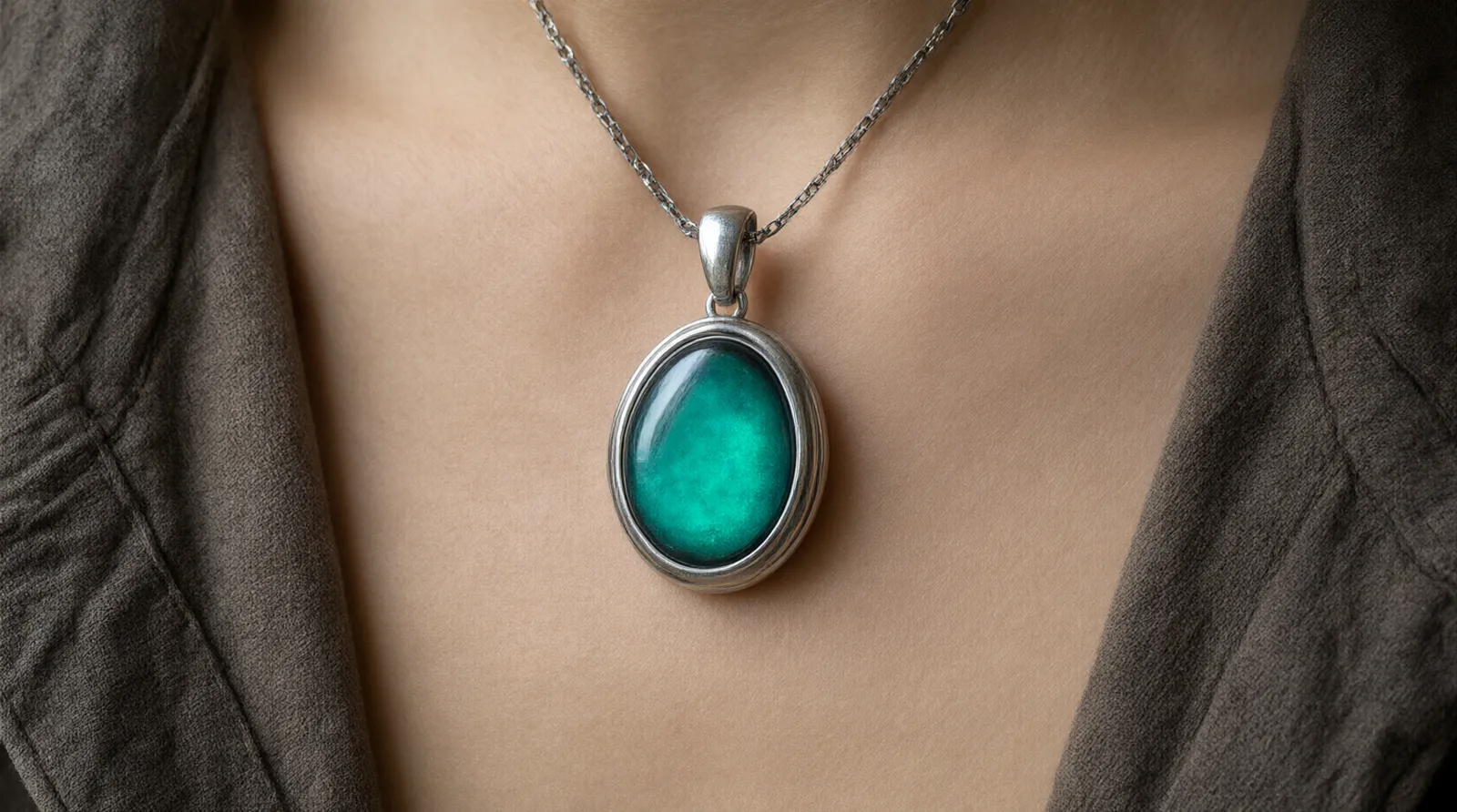
The colors on a mood necklace are visual indicators produced by thermochromic liquid crystals that shift hue in response to skin temperature changes. These color transitions range from deep black and violet to bright green, blue, and amber, each mapped to an emotional state such as stress, calm, or excitement.
Overseas jewelry buyers, direct-to-consumer store owners, and procurement teams evaluate these pieces not merely as novelty items, but as crafted accessories requiring precise material specifications, reliable thermal sensitivity, and consistent manufacturing standards. Understanding how the colors function, what materials drive quality, and which procurement criteria matter most separates a vetted inventory addition from a returned batch. This guide breaks down the science, the sourcing parameters, and the market positioning for buyers looking to stock high-quality thermochromic jewelry.
What Are the Colors on a Mood Necklace?
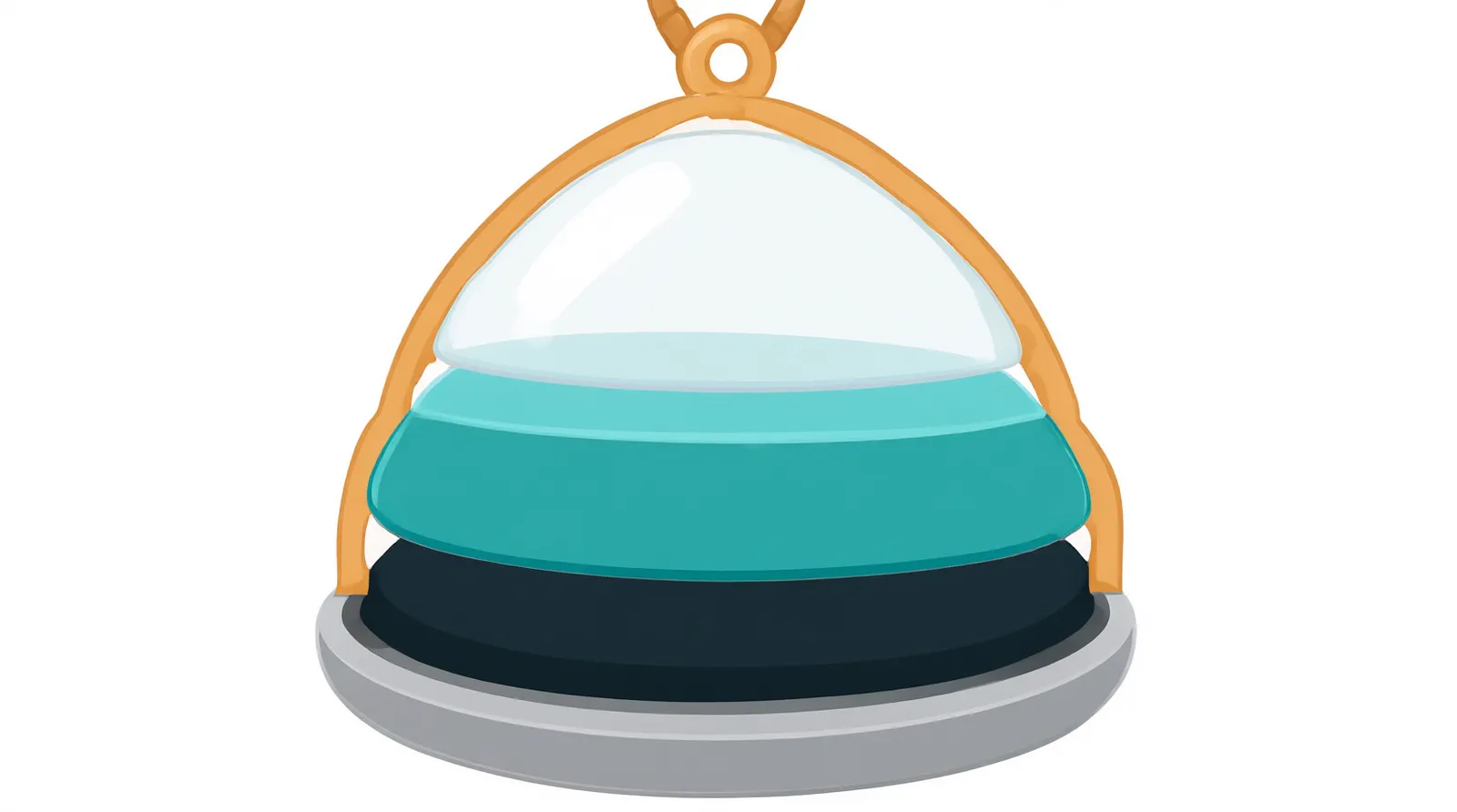
A mood necklace relies on a sealed capsule containing thermochromic liquid crystals embedded within a glass or quartz dome. When worn, the pendant absorbs body heat. As the temperature fluctuates—driven by blood flow changes linked to emotional states—the liquid crystals twist, altering the wavelengths of light they reflect. This physical reaction produces the shifting colors on a mood necklace.
Mood rings and mood necklaces have specific color meanings associated with them, functioning as a visual chart for the wearer's current state [Source: https://co.pinterest.com/pin/329607266482316971/]. For procurement teams, knowing this standard color mapping is essential for accurate product descriptions and marketing copy.
The Standard Color Chart
Buyers sourcing these pieces should expect manufacturers to calibrate the crystals to a recognized spectrum. The baseline transitions include:
- Black or Dark Brown: The crystal is cold, indicating the pendant is off the body or the wearer is experiencing stress, which restricts peripheral blood flow and lowers skin temperature.
- Gray: A transitional phase, often signaling mild anxiety or the initial warming period after putting the necklace on.
- Amber or Orange: Represents mixed emotions, restlessness, or a moderate level of arousal.
- Green: The baseline "normal" state. The pendant matches average resting skin temperature (typically around 28°C to 32°C / 82°F to 90°F).
- Blue or Teal: Indicates relaxation. Blood flows freely to the extremities, slightly raising skin temperature.
- Violet or Purple: Signals peak warmth, associated with intense happiness, passion, or excitement.
When reviewing supplier samples, test the pendant against your own skin. A high-quality thermochromic stone will transition smoothly through these stages within 30 to 60 seconds. Low-grade crystals jump abruptly from black to green without passing through the intermediate hues.
How Do the Colors on a Mood Necklace Work?
Understanding the mechanics behind the colors on a mood necklace helps buyers assess manufacturing quality and communicate value to end consumers. The technology does not read brainwaves; it reads thermal data.
Thermochromic Liquid Crystal Technology
The core component is a micro-encapsulated layer of cholesteric liquid crystals. These molecules arrange themselves in helical structures. The pitch of the helix—the distance between the twists—determines which wavelength of light is reflected back to the viewer. Heat causes the helix to tighten or loosen, changing the reflected color.
For DTC stores and importers, the sealing process is the primary quality differentiator. If the glass or quartz housing is improperly sealed, moisture infiltrates the capsule. Water degrades the liquid crystals permanently, leaving the stone stuck on a single color (usually a cloudy gray or brown). Buyers must request specifications on the sealing method—epoxy resin backing versus heat-fused glass—and verify waterproofing during sample testing.
Material Composition and Craftsmanship
STRAND positions its collections as crafted and vetted rather than bulk fast-fashion. This distinction matters heavily in thermochromic jewelry. The setting surrounding the color-changing stone dictates the piece's longevity and perceived value.
Procurement teams should evaluate the base metal and plating thickness. Plating measured in microns (e.g., 1.0 to 2.5 microns for standard fashion jewelry, or higher for premium lines) determines tarnish resistance. For markets in the Middle East and North Africa (MENA), where cultural preferences strongly favor gold tones and modest, elegant designs, sourcing pieces with substantial 18k gold-tone plating over brass or stainless steel is critical. The hardware should feel weighted, not hollow, aligning with a premium retail price point.
While thermochromic stones offer dynamic interaction, many buyers curate collections that balance reactive pieces with static, multicolor aesthetics. For example, integrating pieces like the Opal-Effect Multicolor Crystal Teardrop Earrings & Necklace Set — STRAND (СТРЭНД) provides customers with permanent iridescent color shifts that complement the temporary thermal reactions of a mood pendant. Both styles cater to consumers drawn to dynamic, color-rich jewelry without relying on the same mechanism.
Why Is the Quality of Colors on a Mood Necklace Important for Buyers?
For overseas jewelry buyers and importers, the importance of the colors on a mood necklace extends beyond consumer novelty. It directly impacts return rates, brand reputation, and wholesale viability.
Durability and Warranty Considerations
Thermochromic crystals are inherently sensitive to environmental factors. Prolonged exposure to direct UV sunlight can bleach the dyes. Contact with harsh chemicals—perfumes, lotions, chlorine—can degrade the outer seal. Procurement teams must establish clear warranty terms with suppliers. Ask specifically: Does the manufacturer guarantee the color-shifting function for a set period (e.g., 12 months)? What constitutes a defect versus normal wear?
A common approach among vetted suppliers is to provide care instruction cards packed with each unit, explicitly warning against submerging the pendant in water. Stocking pieces that arrive with this documentation reduces customer service friction for DTC retailers.
Cultural and Market Positioning
Positioning is everything. Marketing these items as cheap impulse buys limits margins and attracts high-churn customers. Framing them as interactive, crafted accessories justifies a higher retail price. In MENA markets, modesty and elegance dictate design choices. Opt for longer chain lengths (e.g., 24 to 30 inches) that allow the pendant to rest below the collarbone, paired with refined geometric or teardrop bezels rather than juvenile shapes.
If a buyer's assortment requires classic, non-reactive alternatives that still deliver rich color, exploring options like the Turquoise & Pearl Glass Jewelry Set (Necklace & Bracelet) — STRAND (ستراند) ensures the catalog serves regional aesthetic preferences while maintaining the STRAND standard of craftsmanship.
Sourcing Criteria: MOQ, Lead Times, and Shipping
When procuring inventory based on the colors on a mood necklace, buyers must navigate specific logistical dimensions. Unlike solid-state gemstones, thermochromic components require careful handling during production and transit, making strict sourcing parameters essential for protecting both the product and your profit margins.
Minimum Order Quantities (MOQ)
Because STRAND focuses on crafted, vetted jewelry rather than mass-market bulk, MOQs reflect a commitment to quality control. Buyers should expect MOQs structured around specific design variations rather than massive unit counts of a single SKU. For thermochromic pendants, suppliers typically set minimums between 100 and 300 units per bezel-and-chain combination to justify the calibration required for the liquid crystals. Request tiered pricing schedules that outline exact FOB (Free on Board) costs per unit at each volume break—for instance, detailing the price per unit at 100 pieces versus 500 pieces. Customizing the bezel design, altering the chain gauge, or requesting a specific color-transition temperature threshold usually triggers a separate tooling fee and raises the minimum order requirement to 500 units or more. Always confirm whether the quoted MOQ applies to the total order or per individual SKU, as mixing pendant shapes across a single production run can complicate factory scheduling.
Production Lead Time
Manufacturing a thermochromic pendant involves multiple curing stages. The liquid crystals must be applied, sealed, and tested before assembly into the final metal housing. Buyers should anticipate a standard production lead time of 30 to 45 days from order confirmation and deposit receipt to factory dispatch. Rushing this process compromises the epoxy seal, leading to the moisture damage mentioned earlier. If you are ordering custom-molded bezels or specialized packaging, add an additional 15 to 20 days to the timeline for mold creation and approval. Always build this timeline into your seasonal purchasing calendar, placing orders for Q4 holiday inventory no later than early August to account for potential factory delays during peak manufacturing seasons.
Shipping Options and Temperature Control
Shipping thermochromic jewelry requires attention to ambient temperatures. If ocean freight containers sit in extreme heat during summer transit—where internal container temperatures can exceed 60°C (140°F)—the liquid crystals can temporarily lock up or degrade permanently. Ocean freight remains the most cost-effective option for large MOQs, typically taking 25 to 40 days depending on the destination port, but it carries the highest thermal risk. Air freight is faster, usually delivering within 5 to 10 days, reducing the pendant's exposure to extreme transit environments, though it significantly increases per-unit landed costs. Discuss shipping options directly with the supplier. Ask if the factory uses insulated packaging, such as foil-lined export cartons or thermal bubble wrap, for export cartons, or if they recommend routing shipments during cooler transit windows (like avoiding July and August departures for ocean freight) to protect the integrity of the mood stones. Additionally, clarify Incoterms upfront—whether the quote covers EXW (Ex Works), FOB, or DDP (Delivered Duty Paid)—so you know exactly who bears the liability if a shipment is damaged by heat during transit.
When Should Retailers Use and Market a Mood Necklace?
Retailers should time their marketing of the colors on a mood necklace around seasons and demographics that favor interactive, expressive accessories.
Target Demographics and Seasonality
These pieces perform exceptionally well in Q4 gifting seasons and during back-to-school periods for younger demographics. However, when housed in premium settings (heavy gold-tone plating, paired with fine chains), they cross over into adult contemporary markets. DTC stores can market them as mindfulness tools—wearable reminders to check in with one's emotional state throughout the day.
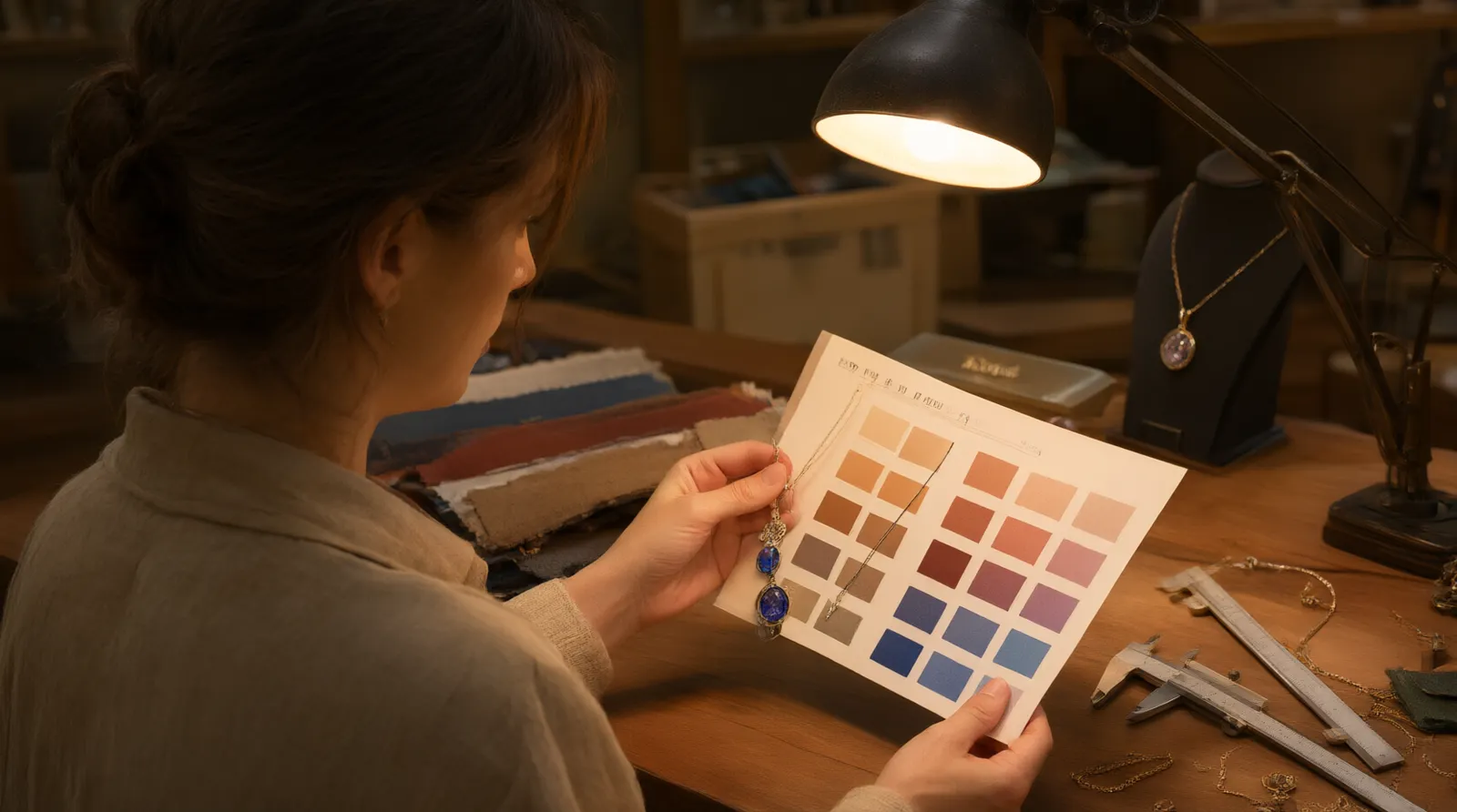
Visual merchandising plays a role here. The historical interest in mapping emotions to visual palettes is well-documented; charts associating specific hues with feelings have circulated widely in design and psychology spaces since at least early 2020 [Source: https://co.pinterest.com/pin/329607266482316971/]. Retailers can use similar color-chart graphics in their online product listings to educate shoppers on what each shade means, increasing engagement and time-on-page.
Cross-Merchandising Strategies
To maximize average order value, pair mood pendants with complementary static pieces. While the mood necklace offers dynamic color changes driven by body heat, a carefully curated collection might also feature permanent multicolor aesthetics. Buyers sourcing for diverse catalogs often look at pieces like the Turquoise & Pearl Glass Jewelry Set (Necklace & Bracelet) — STRAND (СТРЭНД) to anchor the reactive thermochromic items with timeless glass and pearl designs, giving consumers options across different stylistic needs.
What Are the Benefits of Colors on a Mood Necklace for Consumers?
Understanding why end-users buy these products allows DTC stores and importers to write better copy and select stronger SKUs. The benefits of the colors on a mood necklace span psychological, aesthetic, and conversational categories.
Emotional Awareness and Mindfulness
Consumers frequently purchase thermochromic jewelry as a grounding tool. Glancing down to see a shift toward dark amber or black serves as a physical prompt to take a breath or step away from a stressful situation. It externalizes internal states, making it a popular item in wellness-adjacent retail spaces.
Dynamic Aesthetic Value
Unlike a static gemstone, a mood necklace offers multiple looks in a single piece. A wearer might leave the house with a cool blue pendant and arrive at work to find it has shifted to vibrant green. This dynamic nature provides high perceived value for the retail price, as the accessory constantly evolves.
Conversation Starter
The interactive nature of the piece naturally draws attention. Wearers often explain the color chart to peers, creating organic word-of-mouth marketing for the retailer who sold it. For buyers, stocking a product that markets itself through user interaction improves sell-through rates.
Evaluating Your Supplier Before Purchasing
Before finalizing an order for inventory featuring the colors on a mood necklace, procurement teams must run a strict evaluation checklist. Relying solely on catalog photos guarantees disappointment; thermochromic jewelry demands physical sampling.
- Request Physical Samples: Test the transition speed. Place the pendant in ice water (if the seal is rated for brief submersion) or hold it tightly in a closed fist. It should turn deep violet or purple within a minute. Release it, and it should fade back through blue to green. Sluggish transitions indicate low-grade liquid crystals.
- Verify Metal Specifications: Demand a spec sheet detailing the base metal (e.g., 316L stainless steel, brass), plating type, and plating thickness in microns. For MENA distribution, confirm the gold-tone alloy meets regional aesthetic expectations without triggering nickel allergies.
- Inspect the Seal: Examine the back of the pendant under magnification. The seal between the crystal housing and the metal backing must be flush, with no visible gaps, bubbles, or excess adhesive.
- Clarify Return Policies: Establish the protocol for defective units. If a batch arrives with dead stones (stuck on black or gray), the supplier must have a clear replacement or credit policy documented in the purchase agreement.
- Assess Packaging: Ensure the supplier offers packaging that protects the pendant from scratching during transit and includes necessary care instructions for the final consumer.
Sourcing high-quality thermochromic jewelry requires balancing the magic of the color-shifting mechanism with the rigorous demands of international supply chains. By focusing on material integrity, precise manufacturing tolerances, and strategic market positioning, buyers can secure inventory that satisfies consumers and drives repeat business.
To move forward with your next procurement cycle, reach out to our sales team to request physical samples, discuss current minimum order quantities, and obtain updated pricing tiers for your region. [Contact the supplier] to begin evaluating your custom requirements today.
Frequently Asked Questions
What is colors on a mood necklace?
The colors on a mood necklace are produced by thermochromic liquid crystals sealed within the pendant, which shift hue in response to the wearer’s skin temperature. STRAND crafts these pendants using hypoallergenic 18k gold-tone brass bezels (typically 20mm diameter) to ensure durability and cultural alignment for MENA markets that favor modest, warm metallic finishes. Available with an MOQ of 300 units and a 4–5 week production lead time, orders ship via DHL Express or sea freight directly to DTC retailers and importers.
How to colors on a mood necklace?
STRAND mood necklaces use thermochromic liquid crystals sealed within a glass or quartz cabochon (typically 12–18mm) that shift color in response to the wearer’s skin temperature. For procurement teams, these crafted pieces are available in sterling silver or 18k gold-plated settings—ideal for MENA markets favoring warm gold tones—with an MOQ of 50 units and a 3–4 week production lead time. Shipping is fulfilled via DHL Express or air freight directly to DTC retailers and importers.
Why is colors on a mood necklace important?
The color shifts on a STRAND mood necklace are driven by precision-calibrated thermochromic liquid crystals sealed within glass or stainless-steel bezels, making the accuracy and longevity of these hues essential for product quality. For procurement teams, consistent color response validates proper material sourcing and craftsmanship across your order, with standard pendant dimensions of 18–25mm and MOQs starting at 300 units. Production lead times are 25–30 days, shipped via DHL Express or air freight, and we recommend gold-tone hardware finishes to align with modesty and aesthetic preferences in MENA markets.
When should I use colors on a mood necklace?
STRAND mood necklaces feature thermochromic liquid crystal elements sealed in brass or gold-tone bezels (typically 18–25mm pendants on 45cm chains) that shift color continuously in response to the wearer’s body heat, making them suitable for year-round retail rather than a single seasonal use. For MENA markets, we recommend our vetted gold-tone finishes and modest drop lengths to align with regional styling preferences. MOQ is 300 units per style, production lead time is 25–30 days, and we offer DDP air freight or sea shipping options for importers and DTC procurement teams.
What are the benefits of colors on a mood necklace?
STRAND mood necklaces use thermochromic liquid crystals sealed within glass or stainless-steel bezels (typically 12–18mm) to shift color in response to body temperature, offering buyers an interactive, crafted novelty piece rather than a disposable trend. Available in gold-tone finishes suitable for MENA markets, MOQs start at 300 units with a 4–6 week production lead time and DDP air or sea freight shipping options. This tactile color-changing feature drives strong retail engagement and repeat purchases for DTC stores and importers seeking vetted, conversation-starting jewelry.