
Colors of Mood Necklace Meanings: The Ultimate Sourcing Guide
Colors of Mood Necklace Meanings: The Ultimate Sourcing Guide
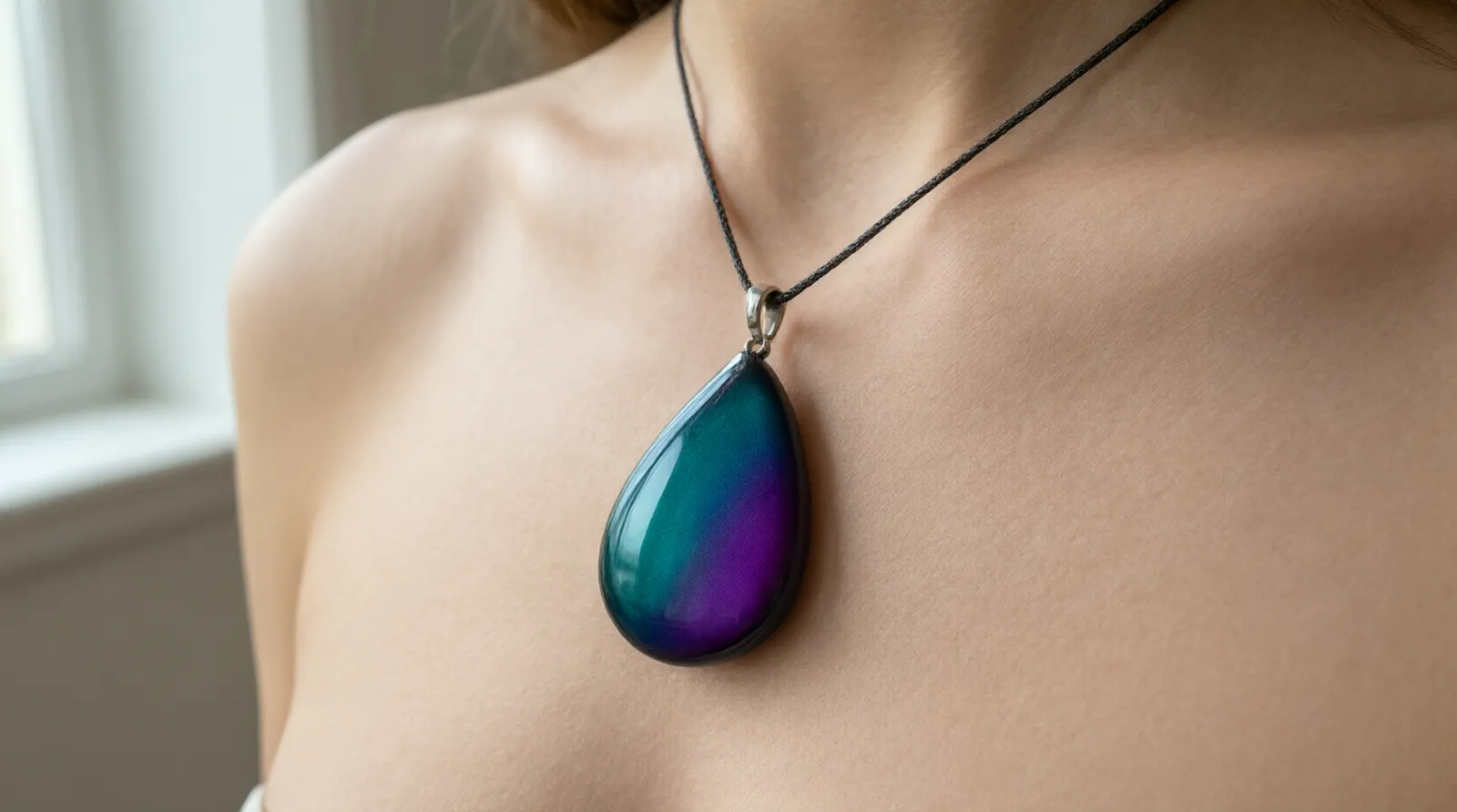
The colors of mood necklace jewelry are determined by thermochromic liquid crystals embedded within the pendant, which shift hue in response to changes in skin temperature. A typical mood necklace cycles through a spectrum ranging from deep violet and blue (indicating warmth) to black and amber (indicating coolness). Understanding these color shifts helps overseas jewelry buyers, DTC store owners, and procurement teams accurately describe the product's mechanics to end consumers and position it correctly within a curated catalog.
For international importers sourcing expressive jewelry, the appeal of this category lies in its interactive nature. Unlike static gemstones, a mood necklace offers a dynamic experience that drives repeat customer engagement. Buyers evaluating this category need concrete details on material composition, minimum order quantities (MOQ), production lead times, and shipping logistics before reaching out to a supplier like STRAND. This guide breaks down the science, the color meanings, and the specific procurement criteria required to source these pieces effectively for global retail markets.
What Exactly Are the Colors of Mood Necklace Jewelry?
A mood necklace is a piece of wearable jewelry featuring a hollow glass or quartz cabochon filled with thermochromic liquid crystals. These crystals twist and alter their molecular structure when exposed to temperature variations, reflecting different wavelengths of light. Because human skin temperature fluctuates slightly based on emotional state—blood vessels constrict when stressed (cooling the skin) and dilate when relaxed (warming the skin)—the pendant appears to change color in sync with the wearer's feelings.
The concept gained massive popularity in the 1970s and has since evolved into a refined accessory category. Today, comprehensive guides co-authored by experts like Dan Hickey and reviewed by professionals such as Stina Garbis detail exactly how these color transitions map to psychological states (WikiHow, updated June 2026). For procurement teams at DTC stores, understanding this underlying science is critical. Consumers expect accurate color charts included with their purchases, and retailers must ensure the supplier provides consistent, high-quality thermochromic elements that do not degrade after a few weeks of wear.
When sourcing from vetted brands like STRAND, buyers should request specifications on the encapsulation method. High-quality pendants seal the liquid crystals behind durable glass rather than cheap resin, preventing moisture ingress—which is the primary cause of a mood necklace turning permanently black and failing. Evaluating these construction standards is just as important as when you choose the perfect CZ pendant for your collection, where material integrity directly dictates retail longevity.
Decoding the Color Chart: What Each Hue Means
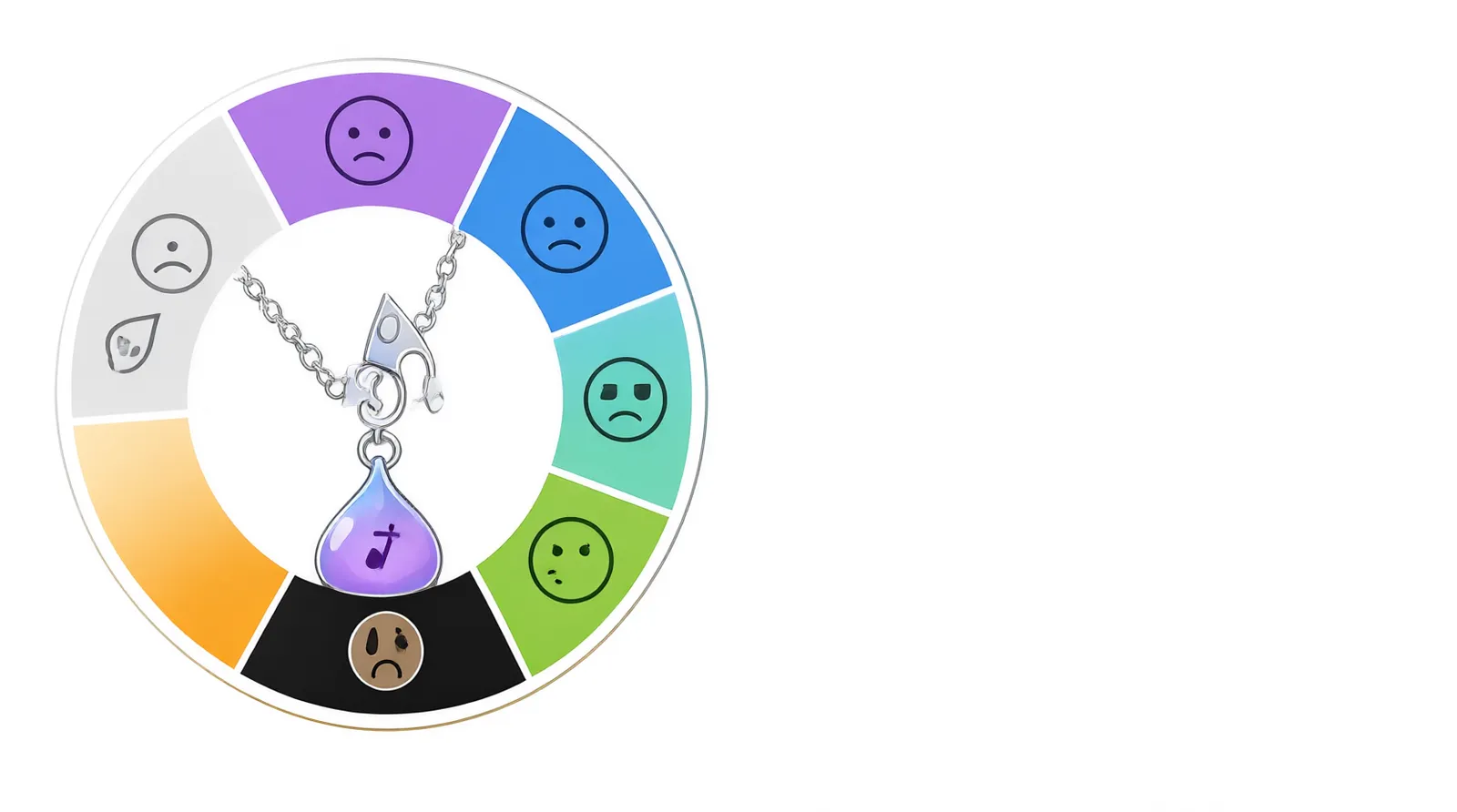
Retailers selling mood jewelry must provide customers with an accurate translation of the color spectrum. The specific shades indicate varying degrees of skin temperature, which consumers interpret as emotional states. Below is the standard breakdown used across the industry:
Warm Tones (Violet, Blue, and Green)
- Violet / Deep Purple: Represents the warmest skin temperature. Consumers associate this color with passion, romance, and intense happiness. In a retail setting, violet is often marketed as the most desirable "positive" state.
- Blue: Indicates a relaxed, calm, and peaceful state. The wearer's body temperature is optimal, suggesting low stress and contentment.
- Green / Teal: The baseline neutral color. When a mood necklace rests at room temperature, it typically displays green. It represents balance, alertness, and a normal resting state.
Cool Tones (Amber, Gray, and Black)
- Amber / Yellow: Suggests mixed emotions, surprise, or slight anxiety. The skin has cooled marginally, often due to nervous energy or anticipation.
- Gray: Indicates mild stress, unease, or fatigue. Blood flow to the extremities has decreased slightly, lowering the pendant's temperature.
- Black: The coolest state. While often associated with extreme stress, fear, or exhaustion, black also frequently occurs when the necklace is simply not being worn and has dropped to ambient room temperature.
Providing printed color-meaning cards alongside the physical necklace is a standard practice that elevates the unboxing experience for DTC customers. Retailers operating in MENA markets should note that while gold-tone hardware is highly preferred for cultural resonance, the thermochromic stone itself functions identically regardless of the metal casing.
How to Source and Evaluate a Mood Necklace for Your Catalog
Procurement teams evaluating the colors of mood necklace options for import must look beyond aesthetics. Sourcing functional thermochromic jewelry requires strict attention to materials, dimensions, and manufacturing standards.
Material Specifications and Dimensions
Request exact material data sheets from your supplier. The pendant casing should be specified as either borosilicate glass or high-grade quartz, paired with a hypoallergenic metal frame (such as surgical stainless steel, brass with thick gold plating, or sterling silver). Standard teardrop or oval cabochons typically range from 15mm to 25mm in length. Chain lengths for necklaces generally run between 18 and 24 inches. Buyers must confirm these dimensions to ensure consistency across bulk orders.
Quality Assurance and Warranty Criteria
Thermochromic liquid crystals are sensitive to prolonged UV exposure and water damage. Ask the supplier about their quality control process for sealing the stones. Does the manufacturer offer a warranty against premature color failure (e.g., the stone getting stuck on black)? Reputable suppliers will outline clear parameters for what constitutes a defect versus normal wear and tear.
Minimum Order Quantities (MOQ) and Lead Times
STRAND positions its collections as crafted and vetted, avoiding the bulk-commodity framing common in fast-fashion supply chains. Consequently, MOQ structures may differ from mass-market wholesalers. Buyers should directly inquire about tiered MOQ options (e.g., initial sample runs versus full container loads) and confirm production lead times, which typically range from 30 to 60 days depending on customization requirements like bespoke chain lengths or branded packaging.
Shipping Options and Logistics
International shipping costs and transit times directly impact landed cost. Clarify whether the supplier ships via air freight for smaller, urgent DTC restocks or sea freight for larger importer volumes. Confirm if shipping rates are flat-tiered or calculated dynamically by volumetric weight, as glass pendants require protective, space-consuming packaging.
Why Thermochromic Jewelry Matters for Modern Retailers
Stocking jewelry that interacts with the wearer solves a fundamental challenge for DTC stores: differentiation. Static inventory competes primarily on price and design. Interactive pieces compete on experience.
Consumer demand for experiential accessories remains strong. As of mid-2026, specialized jewelry platforms tracking this category report thousands of verified consumer reviews maintaining near-perfect rating averages, indicating high satisfaction with well-manufactured thermochromic pieces (AJLuxe blog, published May 2026). For a buyer, this translates to lower return rates and higher organic social sharing, as customers frequently post videos of their necklaces changing colors.
Furthermore, offering complementary pieces strengthens average order value (AOV). While a mood necklace focuses on thermal-reactive technology, pairing it with meticulously crafted static sets broadens the catalog's appeal. For example, buyers looking to expand their multicolor offerings can explore the Opal-Effect Multicolor Crystal Teardrop Set to capture customers who love iridescent color play without the thermochromic element. Similarly, for markets prioritizing classic elegance over novelty, the Two-Tone Sunburst Teardrop Earrings & Necklace Set-Gold — STRAND (ستراند) provides a culturally resonant, gold-forward option ideal for MENA-region DTC storefronts. Curating a mix of reactive and static jewelry ensures the brand appeals to diverse consumer preferences under one roof.
When Should Retailers Push Mood Necklaces?
Timing inventory drops around specific seasons and demographics maximizes sell-through rates for thermochromic jewelry.
Seasonal and Gifting Peaks
Mood necklaces perform exceptionally well during Q4 holiday gifting seasons and Valentine’s Day promotions. They are positioned as thoughtful, personalized gifts because they react uniquely to every individual wearer. Procurement teams should align their production lead times so that finished goods arrive at distribution centers at least four weeks before these major retail events.
Demographic Targeting
While historically popular with younger demographics, modern iterations featuring sophisticated metalwork (like heavy gold-plated bezels or minimalist geometric settings) have expanded the target audience to include adult women seeking novelty fine jewelry. DTC stores targeting Gen Z and Millennials will see the highest conversion rates, particularly when marketing emphasizes self-expression and mindfulness.
Climate Considerations
Importers should consider regional climates. In extremely hot environments, the necklace may default to violet/blue more frequently, while in colder climates, it may struggle to move past green or amber unless worn directly against the skin beneath clothing. Educating local retail staff on these environmental factors prevents customer confusion and unnecessary returns.
The Benefits of Adding Reactive Jewelry to Your Inventory
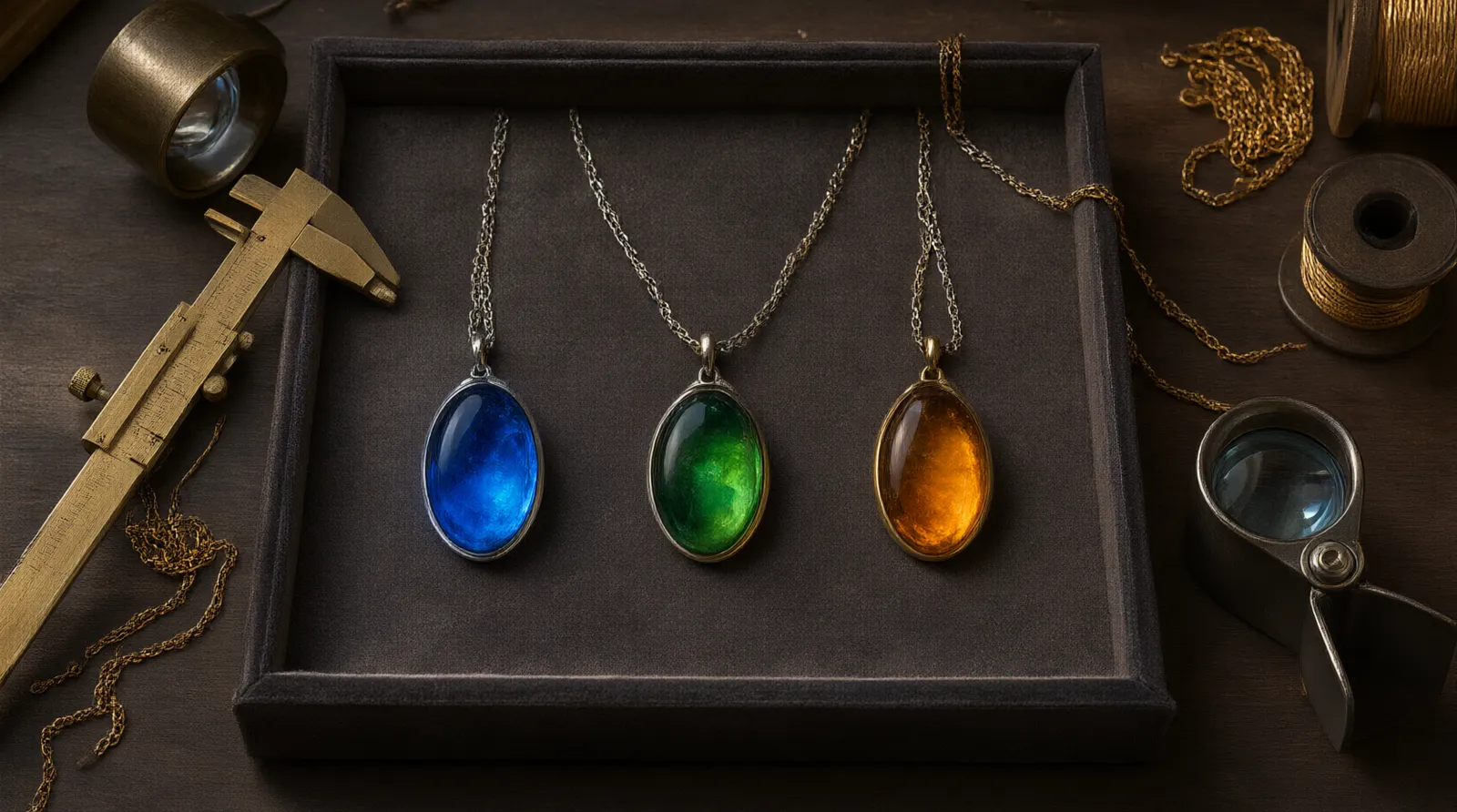
Integrating the colors of mood necklace styles into an existing jewelry line offers several measurable advantages for importers and retail buyers.
Higher Engagement Metrics. Interactive products generate longer dwell times on e-commerce product pages. Shoppers spend time reading about the color meanings and watching demonstration videos, signaling positive engagement metrics to search algorithms.
Reduced Price Sensitivity. Because the item offers a "function" (mood indication) beyond mere decoration, consumers evaluate it differently than a standard fashion pendant. This perceived added value allows retailers to maintain healthier profit margins compared to basic stamped-metal jewelry.
Cross-Selling Opportunities. A customer purchasing a mood necklace is primed to buy matching earrings or bracelets. Buyers sourcing from STRAND can leverage coordinated sets—mixing thermochromic pendants with complementary pieces like the Two-Tone Sunburst Teardrop Earrings & Necklace Set-Gold — STRAND (СТРЭНД)—to build bundled offerings that increase cart size. Suppliers in this space, such as AJLuxe, periodically run time-sensitive volume promotions (for example, percentage discounts applied when purchasing multiple items together) and flat-rate shipping tiers to incentivize these multi-item orders. Because promotional pricing and shipping terms are subject to change, buyers should verify current bundling incentives directly with their account representative before finalizing seasonal inventory plans.
Brand Storytelling. Vetted, crafted jewelry tells a better story than generic wholesale imports. By sourcing high-quality thermochromic pieces with verified materials and reliable color-shifting mechanisms, DTC stores protect their brand reputation against the high failure rates associated with poorly manufactured alternatives.
Actionable Next Steps for Jewelry Buyers
Understanding the mechanics and market positioning of thermochromic jewelry is only the first phase. Moving from research to procurement requires direct communication with the supplier to lock in the variables that affect your bottom line. Use the following structured evaluation protocol to guide your sourcing process and eliminate defective stock before it reaches your warehouse.
Phase 1: Sample Testing Protocol Before committing to a bulk purchase order, request physical samples and subject them to a standardized testing checklist. First, perform the thermal response test: hold the pendant between your fingers and use a stopwatch to verify that the transition from ambient black to active green or blue occurs smoothly within 10 to 15 seconds of skin contact. Second, conduct a cold-water stress test by briefly running the pendant under cool tap water; it should revert to amber or black immediately without any cloudiness or moisture seeping into the glass cabochon. Third, perform a UV degradation check by leaving the sample in direct sunlight for 48 hours, then re-testing the thermal response to ensure the liquid crystals have not burned out or become stuck on a single color. Document any delays in color shifting or signs of resin weeping, as these indicate poor encapsulation.
Phase 2: Specification Verification Checklist Once the samples pass physical testing, audit the supplier's documentation against your technical requirements. Request explicit confirmation of the following metrics:
- Plating Thickness: Verify the exact micron thickness of any gold plating used on the settings (e.g., 1-micron flash plating versus 2.5-micron heavy plating) to ensure tarnish resistance matches your target market's expectations.
- Encapsulation Material: Confirm in writing whether the thermochromic element is sealed behind borosilicate glass or acrylic resin, as resin degrades significantly faster.
- Custom Packaging MOQs: Ask for the exact minimum order quantity required to swap generic polybags for branded rigid boxes or custom color-meaning insert cards.
- Chain Hardware: Ensure clasps and jump rings match the base metal of the pendant setting to prevent galvanic corrosion during transit or storage.
Phase 3: Logistics and Commercial Terms Finally, secure the commercial framework for the order. Confirm the guaranteed production lead time from deposit receipt to port departure, and clarify whether the quoted timeline includes customs export clearance. Ask the supplier to specify if shipping rates are calculated dynamically by volumetric weight or offered as a flat rate per carton, which is critical for forecasting landed costs on fragile, heavily packaged glass items. To secure pricing tiers, check current availability, and discuss shipping logistics tailored to your region, reach out directly to the supplier. [Contact the supplier] to request a formal quote, review sample policies, and begin integrating crafted, reactive jewelry into your upcoming seasonal catalog.
Frequently Asked Questions
What is colors of mood necklace?
STRAND mood necklaces feature thermochromic liquid crystal stones set in brass with gold-tone plating, shifting through colors like deep blue (calm), green (balanced), and amber (energized) in response to skin temperature. Each pendant measures approximately 20mm x 15mm on an adjustable 45–50cm chain, with a minimum order quantity of 300 units and a production lead time of 25–30 days. STRAND ships via DHL Express or sea freight, offering culturally considered gold-tone finishes ideal for MENA markets.
How to colors of mood necklace?
STRAND mood necklaces use thermochromic liquid crystals sealed within a glass or stainless-steel bezel that shift color in response to the wearer’s skin temperature. Each pendant is crafted and vetted for durability, available in 18mm–25mm dimensions with gold-tone plating suitable for MENA market preferences. MOQ is 300 units per style with a 4–6 week lead time, shipped via DHL Express or air freight for DTC stores and importers.
Why is colors of mood necklace important?
The color-changing appeal of STRAND mood necklaces is important because it offers buyers a unique, interactive product crafted with thermochromic liquid crystal elements set in hypoallergenic gold-tone brass—a finish particularly well-suited for MENA markets that favor modest, warm metallic accents. STRAND sources these pieces as vetted, crafted jewelry rather than bulk commodities, available in standard 18-inch lengths with an MOQ of 300 units and a 4–6 week production lead time. Orders are shipped via DHL Express or sea freight to reliably serve DTC stores and importers worldwide.
When should I use colors of mood necklace?
Mood necklace color palettes from STRAND are best specified for DTC retail drops or MENA-focused collections where gold-tone bezels and modest, artisan-crafted aesthetics resonate with buyers. These thermochromic glass stones (typically 18mm–25mm cabochons) shift hues based on temperature, requiring a minimum order quantity of 300 units with a 4–6 week lead time. STRAND ships via DHL Express or sea freight to ensure procurement teams receive vetted, quality-checked inventory ready for premium presentation.
What are the benefits of colors of mood necklace?
STRAND mood necklaces use thermochromic liquid crystal elements sealed in glass or stainless-steel bezels, offering buyers a distinctive, crafted color-shifting SKU rather than a bulk commodity. Available in 16–20" chain lengths with MOQs starting at 50 units and production lead times of 15–20 days, they ship via DHL, FedEx, or sea freight depending on order volume. For MENA procurement teams, STRAND offers gold-tone plating and modest, refined silhouettes that align with regional aesthetic preferences while maintaining premium positioning.