
The Ultimate Guide to Choosing a Stainless Steel Ring for Your Store
The Ultimate Guide to Choosing a Stainless Steel Ring for Your Store
A stainless steel ring is a jewelry band crafted from iron-chromium alloy, prized for resisting corrosion and tarnish. For overseas buyers sourcing inventory, this material offers consistent quality across production runs without the price volatility of precious metals.
Procurement teams at direct-to-consumer stores and import businesses increasingly specify stainless steel as their baseline metal for everyday bands. Unlike plated brass or sterling silver that oxidizes over time, stainless steel maintains its finish through humidity, sweat, and transit. This durability translates directly into fewer customer returns and higher lifetime value per unit sold. Whether you are stocking minimalist 2mm bands or heavy statement pieces, understanding the metallurgy, sizing logistics, and finishing standards separates vetted collections from generic bulk imports. STRAND approaches every stainless steel ring in its catalog as a crafted object, ensuring each piece meets strict dimensional tolerances before it ships internationally. For a deeper look at evaluating SKUs, consult our stainless rings buyer's guide to ensure your selections align with retail demand.
What Is a Stainless Steel Ring? (Material Grades Explained)
Not all stainless steel rings are identical. The term "stainless" refers to an alloy containing a minimum of 10.5% chromium, which forms an invisible, self-healing oxide layer that prevents rust. However, the specific grade of steel dictates how the finished ring performs during daily wear and how easily it can be machined into complex designs.
316L Surgical Steel vs. 201 Stainless Steel
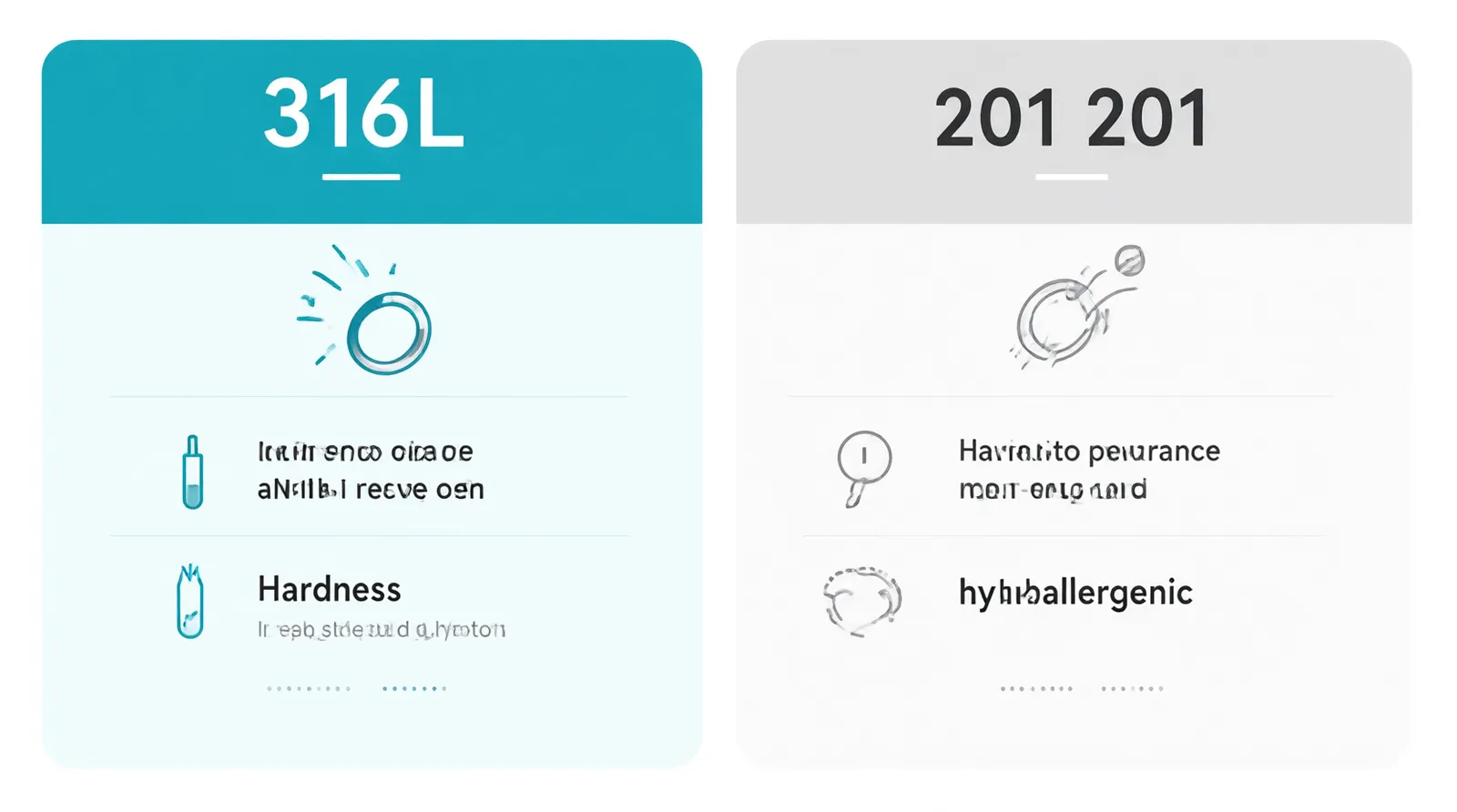
Buyers evaluating supplier catalogs will typically encounter two primary grades. 316L (often called surgical or marine-grade steel) contains molybdenum, making it highly resistant to chlorides and acids. It is hypoallergenic, making it the standard for body jewelry and premium DTC brands targeting sensitive skin demographics. 201 stainless steel contains manganese instead of nickel, making it harder but slightly less corrosion-resistant in extreme environments. For example, a popular set of four solid-color rings marketed for men’s daily wear, banquets, and holidays is manufactured from 201 stainless steel.
When sourcing for international markets, particularly regions with high humidity or coastal climates, specifying 316L ensures your customers won't experience unexpected tarnishing. If your target demographic prioritizes affordability and structural hardness for wider bands, 201 remains a viable option provided the supplier applies proper passivation treatments during manufacturing.
Alloy Composition and Machining Tolerances
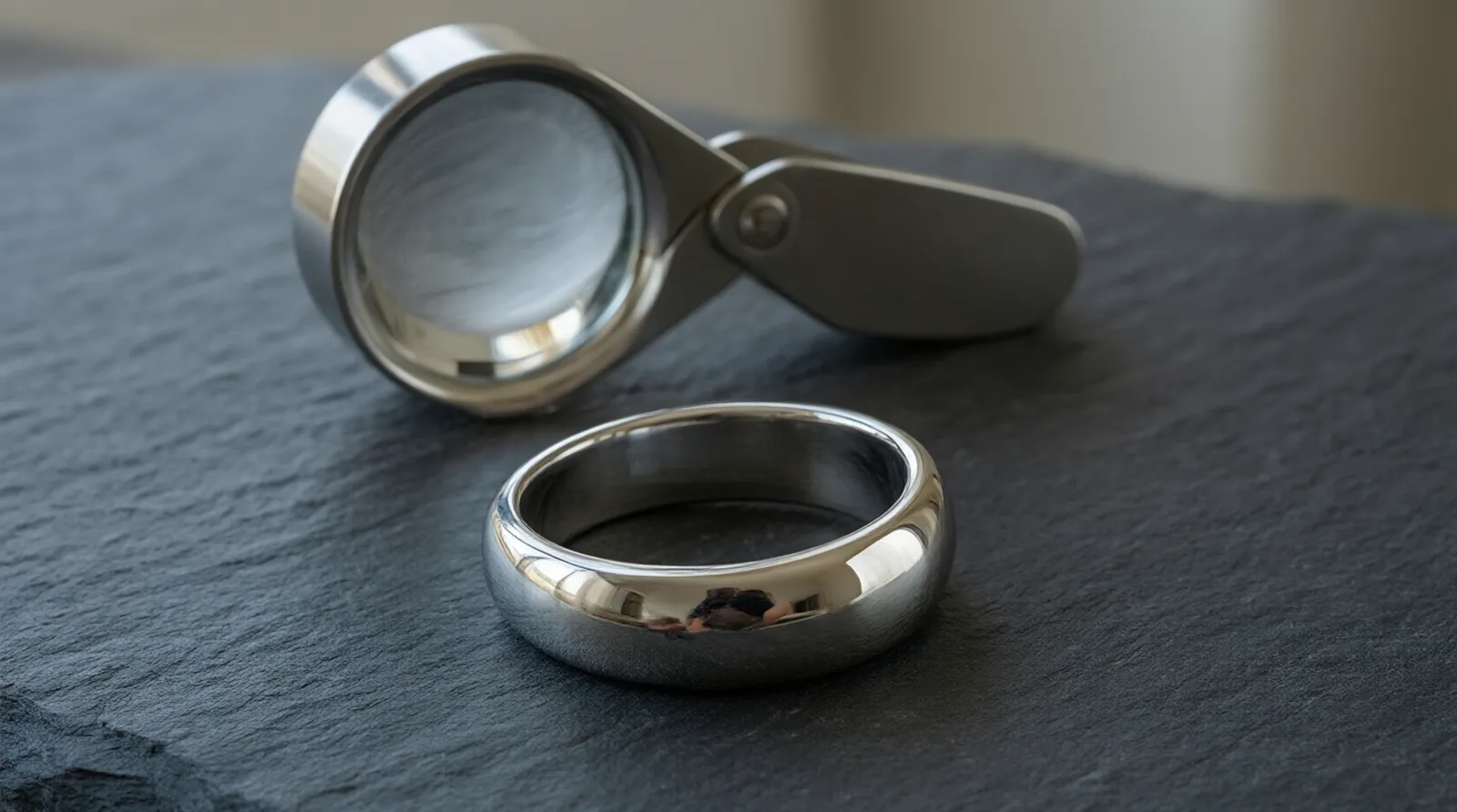
The carbon content in the steel affects how cleanly a factory can mill intricate textures. Low-carbon variants (the "L" in 316L) allow for sharper edges and finer engravings without micro-cracking. When requesting samples from a manufacturer, inspect the interior curve of the band under magnification. A well-machined stainless steel ring will show uniform polishing marks, while poor tooling leaves jagged burrs that irritate the wearer's finger.
Why Sourcing the Right Stainless Steel Ring Matters for Buyers
For importers and procurement teams, the choice of base metal impacts everything from shipping weight to brand reputation. A stainless steel ring occupies a unique position in the market: it carries the visual weight and luster of white gold or platinum at a fraction of the raw material cost.
Reducing Return Rates Through Material Stability
Precious metals like sterling silver require constant anti-tarnish packaging and have a limited shelf life before oxidation begins. Stainless steel eliminates this logistical headache. Brands like Sicsense build their entire identity around this reliability, marketing their stainless steel rings specifically for everyday use, ranging from subtle styles to bold statement pieces. When your end consumer trusts that a ring won't turn their finger green, return rates drop significantly.
Cultural Considerations for MENA Markets
Sourcing for Middle Eastern and North African (MENA) markets requires cultural fluency. In many MENA countries, traditional Islamic jurisprudence discourages or prohibits men from wearing pure gold jewelry. Consequently, stainless steel serves as a highly acceptable, culturally appropriate alternative that still delivers a premium feel. Buyers targeting these regions often prefer gold-tone PVD (Physical Vapor Deposition) coatings applied over the stainless steel base. This allows male consumers to wear warm, gold-toned aesthetics without violating cultural norms regarding solid gold. STRAND curates its collections with these regional preferences in mind, ensuring finishes align with local modesty standards and aesthetic expectations.
How to Evaluate and Source a Stainless Steel Ring
Knowing what to ask a supplier separates professional buyers from those who receive subpar shipments. Evaluating a stainless steel ring requires looking past the product photo and interrogating the manufacturing process. Procurement teams managing broader inventories should also reference our guide to stainless steel jewelry supplies to coordinate complementary components alongside their ring orders.
Dimensions, Weight, and Profile
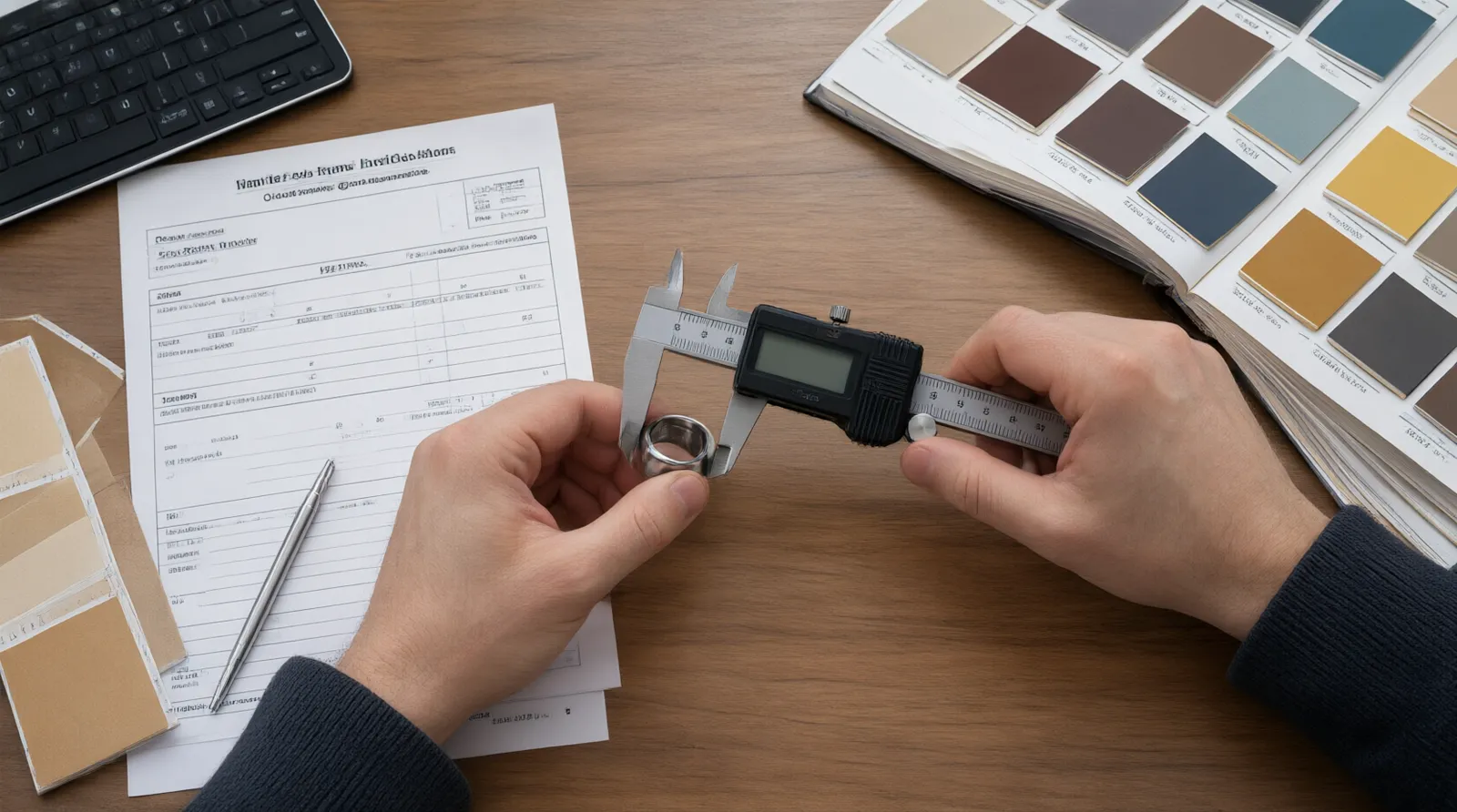
Width and thickness dictate both the comfort and the perceived value of the ring. Slim profiles, such as a 2mm width commonly found in stackable sets, appeal to minimalist trends and female demographics. Conversely, 6mm to 8mm widths project masculinity and suit statement designs. Always request exact gram weights per size run. Because stainless steel is denser than aluminum or titanium, shipping costs scale quickly with heavier bands. Calculate your landed cost by factoring in the volumetric weight of your total order.
Surface Finishes and PVD Coating Quality
A raw stainless steel ring can be finished in several ways:
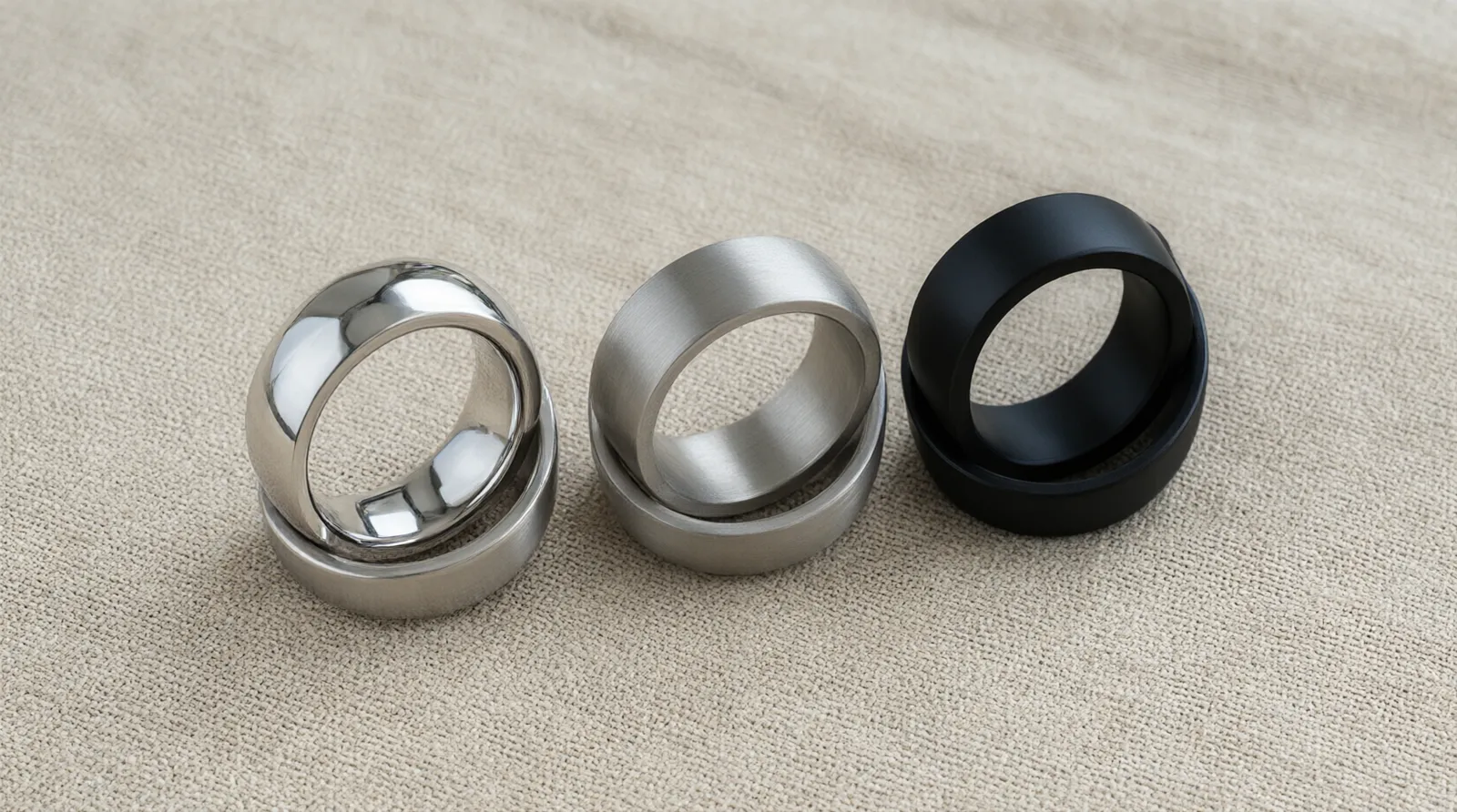
- High Polish: Mirror-like shine, requires careful packaging to prevent micro-scratches during transit.
- Brushed/Satin: Hides fingerprints and minor scratches better; popular for men's wedding bands.
- Sandblasted/Matte: Offers a modern, industrial texture.
- PVD Coated: Applied in a vacuum chamber to add black, rose gold, or yellow gold colors.
Always ask the supplier for the micron thickness of their PVD coating. A standard commercial coating might last six months of heavy wear, while a 0.5 to 1.0-micron multi-layer PVD application can last years. Request accelerated wear-testing reports if available.
Minimum Order Quantities (MOQ) and Lead Times
Vetted suppliers rarely operate on ultra-low bulk thresholds if they maintain strict quality control. Expect MOQs to vary based on whether you are ordering blank stock or custom-engraved designs. Standard lead times for production range from 15 to 45 days depending on order volume and complexity. Always clarify whether the quoted lead time includes the PVD coating phase, as outsourced plating can add weeks to the schedule. Ask suppliers directly about their current [price] tiers based on your required volume.
When Should You Use a Stainless Steel Ring? (Market Positioning)
Understanding the ideal use case helps procurement teams allocate their budget effectively. A stainless steel ring is not meant to replace fine bridal jewelry; rather, it dominates specific retail categories where durability and design flexibility intersect.
Everyday Wear and Streetwear Demographics
The streetwear and fashion-forward menswear markets rely heavily on stainless steel. Brands position these pieces as accessible luxury. Sicsense, for instance, tags their stainless steel collections with keywords like men’s rings, streetwear rings, aesthetic rings, and statement jewellery, signaling exactly who the end buyer is. DTC stores targeting Gen Z and Millennial men should prioritize stainless steel because the audience expects to wear these pieces daily—through workouts, manual labor, and travel—without worrying about damage.
Bridging Craftsmanship with Alternative Materials
While stainless steel provides an indestructible foundation, many retailers diversify by pairing metal bands with crystal or textured elements. For a deeper dive into how alternative materials complement metal bases, review our feature on the Vintage Textured Full Crystal Open Ring — STRAND (СТРЭНД). That piece demonstrates how open-ring architectures and textured surfaces create visual interest that solid bands cannot achieve alone. Similarly, buyers looking for coordinated merchandising opportunities should explore the Vintage Gold Red Crystal Stud Earrings & Ring Set — STRAND (СТРЭНД), which illustrates how matching sets drive higher average order values compared to selling standalone rings. For our Arabic-speaking partners exploring similar aesthetics, we also detail the Vintage Textured Full Crystal Open Ring — STRAND (ستراند) in our regional catalog.
What Are the Benefits of a Stainless Steel Ring for Retailers?
The advantages extend beyond the end consumer. For the import business itself, stocking a stainless steel ring yields operational benefits that improve margins.
Hypoallergenic Properties Reduce Liability
Nickel allergies affect a significant portion of the global population. High-quality 316L stainless steel binds its trace nickel so tightly within the alloy matrix that it rarely leaches into the skin. Stocking hypoallergenic options protects your brand from negative reviews and potential liability claims, especially in regulated markets like the EU, which enforces strict REACH compliance for nickel release.
Inventory Longevity and Storage
Unlike copper alloys that develop verdigris or silver that sulfidizes in cardboard boxes, stainless steel remains inert in standard warehousing conditions. You do not need to invest in climate-controlled storage or anti-tarnish strips. A stainless steel ring produced today will look identical when pulled from inventory three years from now. This stability allows buyers to order larger quantities during favorable exchange rates without fearing dead stock degradation.
Design Versatility
Because stainless steel is incredibly hard once annealed and cooled, it holds sharp geometric shapes, deep grooves, and laser engravings far better than softer metals like gold or silver. This allows designers to execute complex architectural patterns that become signature brand identifiers.
Procurement Criteria: What to Ask Before You Buy
Before finalizing a purchase order, procurement teams must evaluate suppliers across four concrete dimensions. Treat these as non-negotiable checkpoints during vendor onboarding.
Price and Availability
Never accept a single blanket quote. Request tiered pricing based on specific size breakdowns (e.g., US sizes 7 through 12). Verify raw material availability; supply chain disruptions in chromium or nickel can delay production. Confirm if the quoted [price] includes custom packaging or just bulk polybags.
Shipping and Lead Time
Clarify Incoterms immediately. Does the supplier quote FOB (Free on Board) or DDP (Delivered Duty Paid)? Ocean freight is economical for heavy stainless steel orders but takes 30-45 days. Air freight is faster but drastically increases the per-unit cost due to the metal's density. Always build a buffer into the promised lead time to account for customs inspections.
Quality Assurance and Warranty
Ask for the supplier's defect rate tolerance. A vetted manufacturer should guarantee less than a 1-2% defect rate. Define what constitutes a defect—is a microscopic scratch on the interior acceptable? Establish whether the warranty covers PVD coating peeling within a specified timeframe (e.g., 12 months under normal wear).
Returns and Defect Resolution
Determine the protocol for rejected shipments. Will the supplier issue a credit note, or do they require physical return of defective units? Given international shipping costs, returning heavy metal goods is rarely economical. Negotiate a policy where photographic evidence of defects results in immediate replacements added to the next shipment.
Caring for Stainless Steel Inventory Post-Delivery
Once your shipment arrives, proper handling ensures the product reaches the end consumer in pristine condition. While stainless steel is resilient, cross-contamination in warehouses can cause issues. Store stainless steel separately from raw brass or copper items to prevent galvanic reactions if moisture is present. Educate your retail staff: while the metal resists water, harsh industrial solvents or prolonged exposure to chlorine pools can eventually degrade lower-grade PVD coatings. Providing end-users with basic care instructions adds perceived value to the purchase and reinforces your brand's authority.
To implement this practically, warehouse teams should store incoming stainless steel rings in individual microfiber pouches or compartmentalized blister trays rather than loose bulk bins, preventing metal-on-metal friction that scuffs high-polish finishes during transit. If you receive PVD-coated inventory—such as black or rose gold bands—inspect the coating under a bright LED task light before shelving, as hairline scratches from improper factory packing are easiest to catch at the receiving dock. Finally, include a small, printed care card with each retail order advising customers to wipe down their rings with a dry, lint-free cloth after exposure to saltwater, gym equipment, or household cleaning chemicals, which preserves the protective chromium oxide layer and keeps the PVD coating intact for the lifespan of the product.
Final Sizing and Specification Checklist
To streamline your next purchasing cycle, verify these specifications with your manufacturer before signing any contracts:
- Grade Verification: Confirm 316L or 201 via material test certificates (MTC).
- Dimensional Accuracy: Ensure inner diameter matches standard sizing charts within a 0.1mm tolerance.
- Edge Profiling: Specify "comfort fit" (domed interior) versus "flat fit" based on your target demographic's preference.
- Coating Thickness: Document the exact micron count for any colored finishes.
- Packaging Specs: Define individual wrapping requirements to prevent transit friction between heavy metal bands.
Choosing the right stainless steel ring for your retail lineup requires balancing metallurgical facts with market psychology. By focusing on verified grades, precise dimensions, and clear supplier agreements, procurement teams secure inventory that drives repeat purchases rather than generating returns. Review your current supplier contracts against the criteria outlined above, identify where your specifications lack precision, and reach out to your manufacturing partners to demand updated material certifications for your next order.
Ready to source vetted, crafted stainless steel jewelry for your retail channels? [Contact the supplier] to request current catalogs, discuss MOQ requirements, and get a quote tailored to your specific import needs.
Frequently Asked Questions
What is stainless steel ring?
A stainless steel ring from STRAND is crafted from durable 316L surgical-grade stainless steel, available in widths from 2mm to 8mm with polished, brushed, or PVD gold-tone finishes suited for modest styling preferences in MENA markets. Our minimum order quantity (MOQ) is 100 pieces per style, with a standard production lead time of 15–20 business days. Finished orders ship globally via DHL Express or air freight to ensure reliable delivery for DTC stores and procurement teams.
How to stainless steel ring?
STRAND crafts stainless steel rings from vetted 316L surgical-grade stainless steel, available in 6–12mm widths with PVD gold-tone plating options suited for MENA market preferences. Our minimum order quantity is 100 units per SKU with a 3–4 week production lead time, shipped via DHL Express or sea freight depending on volume. Each piece is quality-inspected to ensure durable, crafted jewelry standards for DTC stores and importers.
Why is stainless steel ring important?
Stainless steel rings are essential for DTC stores and importers because 316L surgical-grade stainless steel offers superior tarnish resistance, hypoallergenic safety, and lasting structural integrity for everyday wear. STRAND crafts these rings in standard widths from 4mm to 8mm with PVD plating—including modesty-aligned gold tones ideal for MENA markets—available at MOQs of 100 pieces per SKU with a 25-day production lead time. Finished orders ship via DHL Express or sea freight, ensuring procurement teams receive vetted, durable jewelry built for long-term retail value rather than disposable trends.
When should I use stainless steel ring?
STRAND stainless steel rings (316L surgical-grade, 6–8mm band widths) are ideal for buyers targeting durable, hypoallergenic everyday collections, particularly in MENA markets where modest styling and PVD gold-tone finishes are preferred. Sourced with a 50-piece MOQ per SKU and a 25-day production lead time, these vetted pieces ship via DHL Express or sea freight to suit your procurement schedule. They serve as reliable, crafted core inventory for DTC stores and importers seeking long-lasting quality over trend-driven volume.
What are the benefits of stainless steel ring?
STRAND stainless steel rings are crafted from premium 316L surgical-grade steel, offering exceptional tarnish resistance, hypoallergenic safety, and long-term structural durability for discerning retail collections. Available in widths from 2mm to 8mm with PVD gold-tone plating options suited for MENA market preferences, they carry a 50-piece MOQ per style and a 15–20 day production lead time. Finished orders ship globally via DHL Express or consolidated sea freight to ensure secure, vetted delivery for DTC stores and importers.